


![The Score – Revolution: Lyrics [Assassins Creed: Unity]](https://musicvideosclub.com/wp-content/uploads/2025/10/the-score-revolution-lyrics-assa-360x203.jpg)





![George Benson – Give Me The Night (Official Music Video) [HD Remaster]](https://musicvideosclub.com/wp-content/uploads/2026/02/george-benson-give-me-the-night-360x203.jpg)







Steely Dan – Do It Again
The Sitar Solo Was Played On A Fifty-Dollar Pawn Shop Find He’d Never Seen Before
Steely Dan released “Do It Again” in October 1972 as their debut single from their first album Can’t Buy a Thrill. The song debuted on the Billboard Hot 100 on November 18, 1972, and climbed steadily to number six on February 10, 1973, spending 17 weeks on the chart. It remains Steely Dan’s second highest-charting single after “Rikki Don’t Lose That Number.” The song topped the Adult Contemporary chart and reached number 13 in Canada. What nobody knew during recording was that the song’s signature sound—that swirling, hypnotic electric sitar solo that defined the track—came from an instrument borrowed for a few hours from a producer down the hall, purchased that morning from a pawn shop across the street for fifty dollars.
The single’s success was immediate. Cash Box called it “a fine commercial effort with plenty of potential as a hit record,” praising its “fine vocal harmony and superb arrangement.” Record World described it as a “gentle rocker” with “a bit of the Latin rock sound.” The album Can’t Buy a Thrill peaked at number 17 on the Billboard 200 and was certified gold on May 31, 1973, then platinum twenty years later. The song helped establish Steely Dan as something nobody expected—a jazz-influenced rock band with cryptic lyrics and sophisticated arrangements that somehow cracked the pop charts. The UK release on Probe Records followed in January 1973, with a reissue in 1975.
Walter Becker and Donald Fagen wrote the lyrics about compulsive, self-destructive behavior—gambling, infidelity, addiction. The narrator addresses someone trapped in cycles of bad decisions: “Go back, Jack, do it again / Wheel turning ’round and ’round.” Robert Christgau described it as a toned-down mambo song with tragic lyrics about a compulsive loser. The verses reference hangmen, killers, and mourners in imagery that could have come from a Sergio Leone spaghetti western. Becker and Fagen had met at Bard College in upstate New York in 1967, moved to Los Angeles in 1971 as staff songwriters for ABC Records, and named their band after a prosthetic phallus in William S. Burroughs’ novel Naked Lunch. Nobody at ABC expected their oddball songs to produce hits—but producer Gary Katz believed in them.
The album was recorded in August 1972 at the Village Recorder in Los Angeles with engineer Roger Nichols and produced by Katz. The iconic electric sitar solo came from guitarist Denny Dias, who later became a computer programmer. The instrument—a Coral electric sitar with rusty strings—had been purchased at a pawn shop across the street that morning by a producer in an unrelated studio. Dias borrowed it, had never seen one before, and played the solo in one take. “I only had that Coral for a few hours, on the day we recorded that solo,” Dias recalled decades later. One and done, for a song called “Do It Again.” The organ solo that follows was performed by Fagen on a Yamaha YC-30 with a sliding pitch-bending control that gave it an otherworldly, wavering quality. The single version edited the intro and outro and omitted the organ solo to fit radio formats.
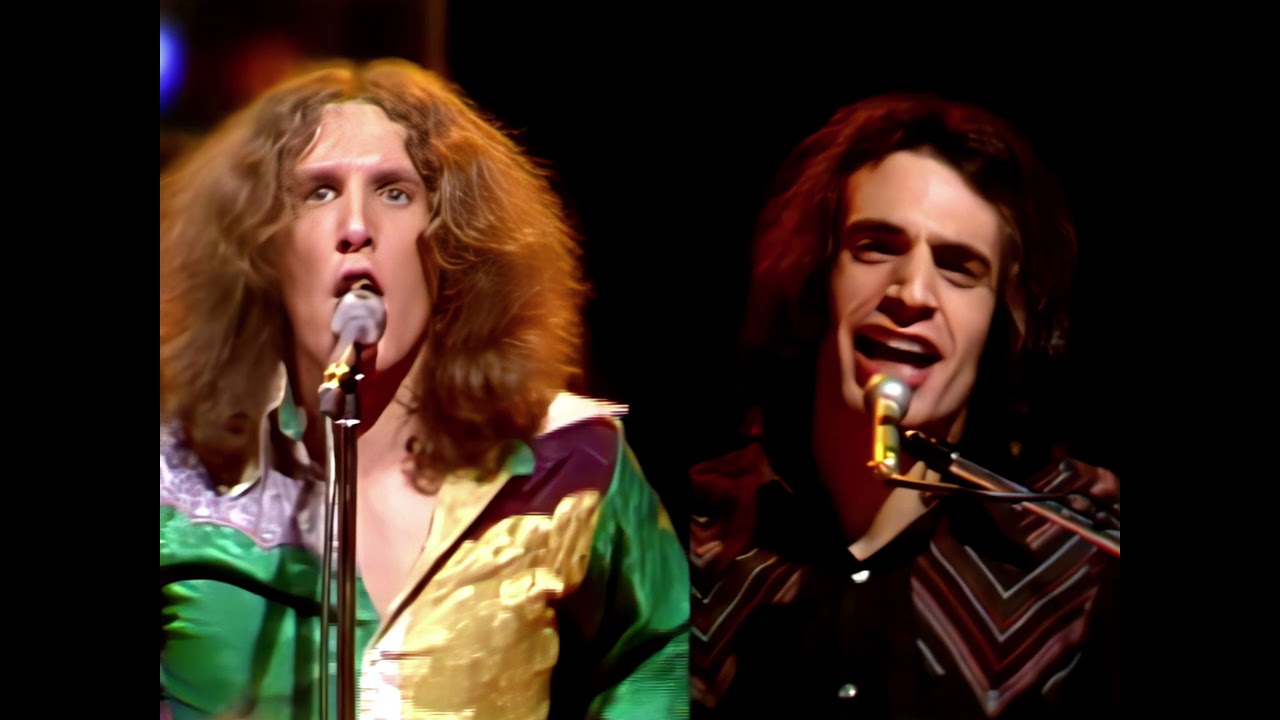
Can’t Buy a Thrill marked the only Steely Dan album featuring vocalist David Palmer, recruited after Fagen expressed concerns about singing live. Fagen sang the album version of “Do It Again,” but Palmer performed it when the band appeared on NBC’s The Midnight Special in February 1973—one of their earliest television appearances. By the time they recorded Countdown to Ecstasy in 1973, Katz and the band had convinced Fagen to assume full lead vocalist duties. The debut album also spawned “Reelin’ in the Years,” which featured an Elliott Randall guitar solo recorded in one take that later became legendary. The album’s cover featured a photomontage by Robert Lockart with images of muscle-men and prostitutes standing in Rue du Gros-Horloge in Rouen, France. Becker and Fagen later joked it was “the most hideous album cover of the seventies.”
The song has been covered by Waylon Jennings, Tori Amos, Smash Mouth, and Lydia Lunch. Art of Noise incorporated elements into their 1988 track “Kiss,” and British house producers Halcyon and Manor sampled it for their 2001 track “Do It Again.” The song influenced yacht rock and the sophisticated studio sound of bands like the Doobie Brothers. It appeared in the 2008 video game Guitar Hero World Tour, introducing it to a new generation. VH1 later noted that the song helped establish Steely Dan’s reputation for combining lush soundscapes with insightful lyrics—thoroughly addictive music about human addiction.
For a debut single recorded by staff songwriters whose songs were deemed “unsuitable” for ABC’s roster artists, “Do It Again” changed everything. The song that nobody expected to work—with its cha-cha rhythm, borrowed sitar, and lyrics about compulsive losers—became the template for a career defined by jazz-inflected perfectionism and cryptic storytelling. Becker died in 2017, but Steely Dan continued to tour, and in 2001 they were inducted into the Rock and Roll Hall of Fame. The sitar Denny Dias borrowed for a few hours that August day in 1972 created one of the most distinctive instrumental breaks in rock history—then disappeared back into whatever studio it came from, never to be played by Dias again. Sometimes magic happens once, and that’s enough.
SONG INFORMATION
Related videos
 Watch LaterAdded
04:39
Watch LaterAdded
04:39 ![Christopher Cross – Ride Like The Wind (Official Music Video) [45th Anniversary]](https://musicvideosclub.com/wp-content/uploads/2025/12/christopher-cross-ride-like-the-360x203.jpg) Watch LaterAdded
Watch LaterAdded
 Watch LaterAdded