Harold Melvin & The Blue Notes – If You Don’t Know Me By Now
- LUD:
The Deep, Aching Voice on This Record Made the Whole World Famous — Just Not the Man Whose Name Is on the Group
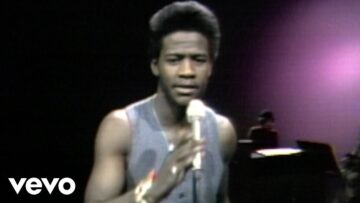
The voice that carries “If You Don’t Know Me By Now” — the one that turns a simple plea about being misunderstood into something close to a prayer — does not belong to Harold Melvin. It belongs to Teddy Pendergrass, a 22-year-old who had joined the Blue Notes as their drummer and ended up out front by accident. For decades, casual listeners assumed the man singing was Harold Melvin himself, since his was the name on the marquee. It wasn’t, and by most accounts Melvin never quite made peace with the confusion. The most famous Philadelphia soul ballad of 1972 has a credit problem built right into its title.
The song almost belonged to someone else entirely. Kenny Gamble and Leon Huff — the writing-and-production team who built the lush, string-laden “Sound of Philadelphia” — originally wrote “If You Don’t Know Me By Now” for Labelle, the trio fronted by Patti LaBelle. Labelle passed on it. Gamble and Huff, who kept a notebook of song titles to mine for hooks, turned instead to Harold Melvin & the Blue Notes, a group that had been grinding away in Philadelphia for nearly twenty years without a major hit. The writers later credited their own marital troubles with giving them the emotional rawness the song needed — that bone-deep ache of being with someone who still doesn’t understand you. It was the kind of feeling Pendergrass could deliver like few singers alive.
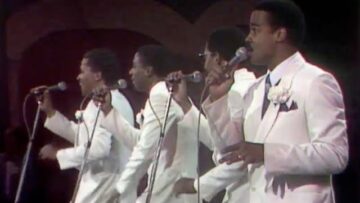
Released as a single in September 1972 on Gamble and Huff’s Philadelphia International label, it was the Blue Notes’ first real hit, and it was enormous. The record went to No. 1 on the Billboard R&B chart for two weeks and climbed to No. 3 on the Hot 100, selling over a million copies and earning a gold disc from the RIAA that November. It anchored the group’s debut album, originally titled I Miss You and hastily renamed Harold Melvin & the Blue Notes once the single took off. The classic Philadelphia International lineup on the record — Melvin, Pendergrass, Bernard Wilson, Lawrence Brown, and Lloyd Parks — had recorded it at the famous Sigma Sound Studios, with Gamble, Huff, and others filling in the background harmonies. The RIAA would later name it one of its Songs of the Century.
The Drummer Who Became the Voice
Teddy Pendergrass’s path to that microphone was pure circumstance. He’d been a drummer for a Philadelphia group called the Cadillacs, and joined the Blue Notes’ backing band in 1970. When the group’s lead singer, John Atkins, quit that same year, Pendergrass was moved up front, and his surging, gospel-fired baritone changed everything. Within two years the Blue Notes went from a two-decade regional act to soul royalty, sitting alongside the O’Jays and the Stylistics. The tension was obvious almost immediately: the group bore Melvin’s name, but the voice and the visual focus were Pendergrass’s. By 1975 the act was being billed as “Harold Melvin & the Blue Notes featuring Theodore Pendergrass,” and in 1976, at the height of their success, Pendergrass left after a dispute over money to begin a solo career that produced four straight million-selling albums before a 1982 car accident left him partially paralyzed. He died in 2010.
A Second Life, and the Men Behind It
Most soul classics get one defining version. “If You Don’t Know Me By Now” got two. In 1989, the English band Simply Red, fronted by lifelong soul devotee Mick Hucknall, recorded it and took it all the way to No. 1 on the Billboard Hot 100 — higher than the original had reached — winning a Grammy and introducing the song to a generation that had never heard the Blue Notes. Hucknall has been open about his debt, saying he’d danced to Harold Melvin’s records as a 13-year-old. The song has since been cut by Seal, Hugh Masekela, and many others, but every version traces back to that 1972 record and the voice on it. Harold Melvin, the founder who held the group together for more than four decades through every lineup change, died on March 24, 1997, at 57. Pendergrass, Bernard Wilson, Lawrence Brown — nearly all of that classic lineup are gone now. What remains is the performance: a young drummer-turned-singer pouring everything into a song his bandleader’s name would get the credit for, proving in a little over three minutes that he didn’t need the marquee to be unforgettable.
SONG INFORMATION
Artist: Harold Melvin & The Blue Notes
Song: “If You Don’t Know Me By Now”
Lead Vocals: Teddy Pendergrass
Album:I Miss You (reissued as Harold Melvin & the Blue Notes)
Released: September 1972
Recorded: 1972, Sigma Sound Studios, Philadelphia
Label: Philadelphia International Records
Songwriter(s): Kenny Gamble, Leon Huff
Producer(s): Kenny Gamble, Leon Huff
Chart Performance: No. 1 US Billboard R&B (2 weeks); No. 3 US Billboard Hot 100 (1972)
Certification: Gold (RIAA, November 21, 1972) — over one million copies sold
Awards: RIAA “Songs of the Century”
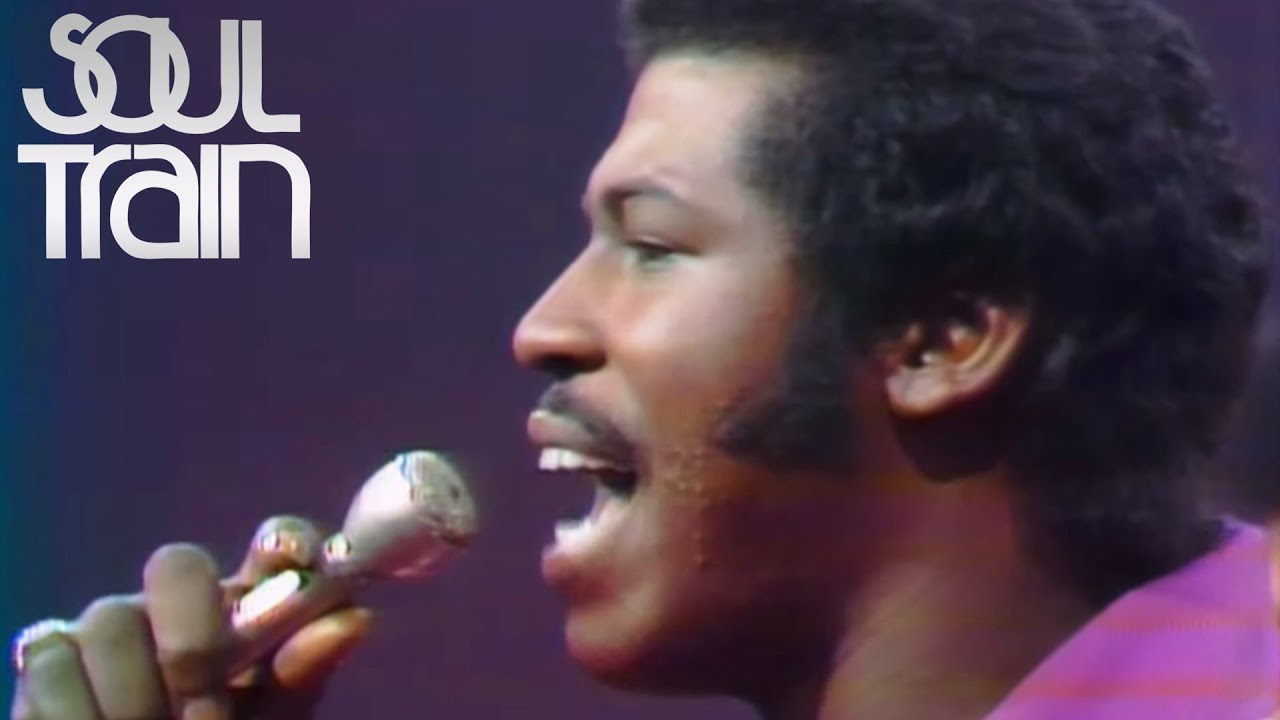
Performance: Soul Train (Philadelphia International Records archive)
Lineup: Harold Melvin, Teddy Pendergrass (lead vocals), Bernard Wilson, Lawrence Brown, Lloyd Parks