Velvet Underground and Nico – All Tomorrow’s Parties
- LUD:
281.1K
8K
2
Silver Factory shadows, church-bell piano, and a voice that turns the room to grayscale
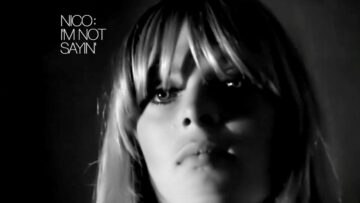
By 1966, New York was trading daylight for after-hours. Inside Andy Warhol’s circle, the Velvet Underground were shaping material that didn’t chase charts so much as document temperature. “All Tomorrow’s Parties”, sung by Nico on the band’s debut The Velvet Underground & Nico, arrived as a study in cool distance: a portrait of downtown costume changes and the comedown that follows, written by Lou Reed with the detached clarity he reserved for the city’s quiet corners.
The track moves on a hypnotic pulse—piano struck like a tolling bell while guitars smear into a gray wash. John Cale leans the arrangement toward drone and ritual; Maureen Tucker keeps a simple, floor-tom heartbeat that never breaks stride. Producer hands keep the mix spare and frontal, letting Nico’s alto sit cold in the frame while the overtones bloom around her. The sound is church and warehouse at once: reverberant, unglossed, and insistently steady.
Reed’s writing sketches a cycle of dressing up and wearing down. Verses stack images of borrowed clothes and borrowed time, then return to a refrain that feels less like resolution than fate. Melody and lyric lock to an unbending rhythm, so the hook isn’t a lift so much as a tightening; even the brief harmonic shift plays like a light turned and then turned back.
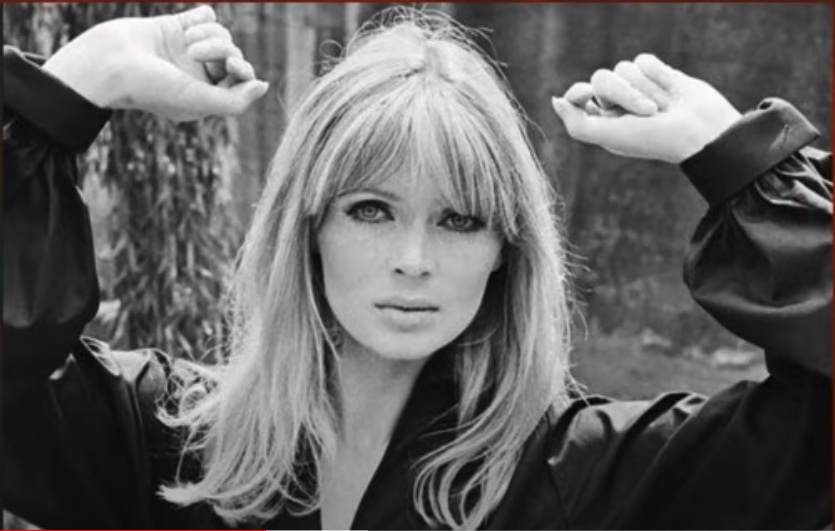
Lineage is key: East Village minimalism meets Lower East Side street poetry, filtered through Warhol’s Factory and the group’s love of repetition. This was reportedly Warhol’s favorite Velvet Underground song—likely because Nico (born Christa Päffgen) takes the lead. Around the Exploding Plastic Inevitable shows, billing told the story too: posters could list Nico ahead of the band, sometimes as the “pop girl of ’66,” a reminder of how central her presence was to the project’s theater.
Reception matched the aura. In the pages of the Village Voice, Richard Goldstein called Nico “half goddess, half icicle,” adding, “She sings in perfect mellow ovals. It sounds something like a cello getting up in the morning.” Decades on, “All Tomorrow’s Parties” endures because its machinery is simple and its mood exact—the band underplays, Nico refuses sentiment, and the song stays fixed like a gallery light.
Musicians:
Nico — lead vocal
Lou Reed — guitar, songwriting
John Cale — piano, drones
Sterling Morrison — guitar
Maureen Tucker — percussion




![Led Zeppelin – Whole Lotta Love (Live at The Royal Albert Hall 1970) [Official Video]](https://musicvideosclub.com/wp-content/uploads/2024/09/led-zeppelin-whole-lotta-love-li-360x203.jpg)