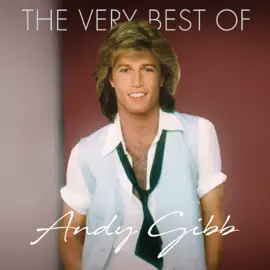
Written In Ten Minutes On An Afternoon Off From The Worst Film Of The Year
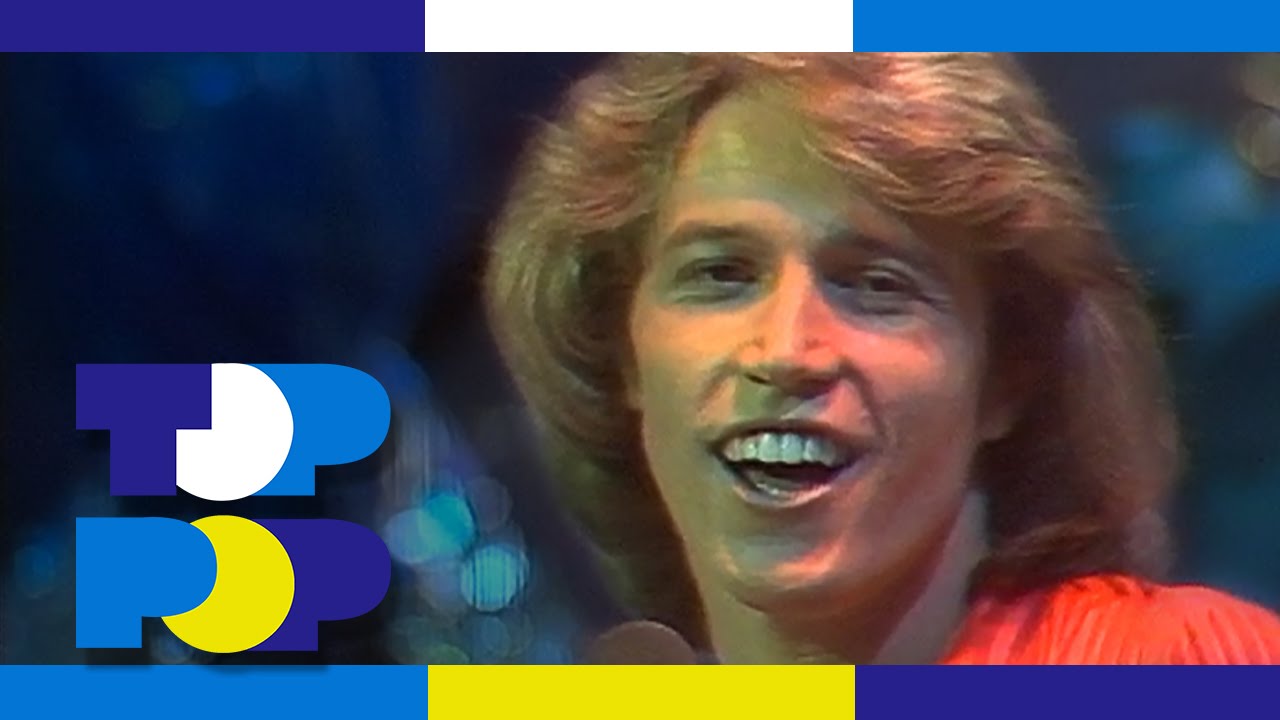
When “Shadow Dancing” finally surrendered the top of the Billboard Hot 100 on August 5, 1978 — replaced by the Rolling Stones’ “Miss You” — it had been sitting there for seven straight weeks. Billboard named it the number one single of the entire year. Andy Gibb was twenty years old, and had just become the first solo artist in the history of the US pop charts to have his first three singles all reach number one. Not bad for a song that took ten minutes to write.
The song was first credited to all four Gibb brothers — and it happened almost by accident. Barry, Robin, and Maurice were in Los Angeles, grinding through the notoriously troubled production of the Sgt. Pepper’s Lonely Hearts Club Band film. One evening they took a break, sat down with Andy, and started kicking ideas around. The chorus arrived almost immediately. “We literally sat down and in ten minutes we had a group going,” Andy recalled. “As it says underneath the song, we all wrote it, the four of us.” That same afternoon, Barry and the brothers also wrote “Too Much Heaven” and “Tragedy” — all three became US number ones. Even by Gibb family standards, that afternoon was something else.
Sessions took place across two cities, split between Los Angeles and Miami’s Criteria Recording Studios to accommodate Barry’s filming schedule, with producers Albhy Galuten and Karl Richardson handling the day-to-day while Barry served as executive producer. The arrangement was precise and layered — strings, horns, and disco-funk guitar work that Cash Box singled out for particular praise. Barry sang backing vocals throughout, blurring the line between Andy’s solo career and a full Gibb family enterprise in the most appealing way possible.
The live premiere of “Shadow Dancing” turned into a piece of pop history that nobody had planned. In July 1978, Andy was mid-performance at the Jai-Alai Fronton Studios in Miami when Barry, Robin, and Maurice walked onstage unannounced and joined him. It was the first time all four Gibb brothers had ever performed together in concert. The audience had no idea it was coming. Neither, apparently, did Andy.
The album Shadow Dancing, released on RSO Records in June 1978, reached number seven on the Billboard 200 and spawned two more US Top 10 singles — “An Everlasting Love” at number five and “(Our Love) Don’t Throw It All Away” at number nine. Andy and his brothers together dominated the US charts that year in a way that has never been replicated, with the Gibb name attached to number ones virtually all year long.
The fall came fast. As the disco backlash swept away the Bee Gees’ commercial dominance after 1979, Andy’s star dimmed in lockstep. Cocaine addiction derailed his career and his personal life throughout the early 1980s. He sought treatment at the Betty Ford Clinic but the damage was done. Andy Gibb died in March 1988, aged just thirty years old, from myocarditis — a viral inflammation of the heart muscle aggravated by years of substance abuse.
“Shadow Dancing” stands as the high-water mark of a career that burned brilliantly and briefly. It is a record of pure, effortless joy — written in ten minutes, performed by four brothers who made chart history almost as a reflex, and completely unaware in that Miami studio that this was the summit. Andy never got higher. Very few people ever do.
SONG INFORMATION
Artist: Andy Gibb
Song: “Shadow Dancing”
Album:Shadow Dancing
B-side: “Let It Be Me”
Released: April 1978
Recorded: December 1977 – February 1978
Studio: Criteria Recording Studios, Miami / Los Angeles
Label: RSO Records
Songwriters: Andy Gibb, Barry Gibb, Robin Gibb, Maurice Gibb
Producers: Barry Gibb, Albhy Galuten, Karl Richardson
Chart Performance: No.1 US (7 weeks), Billboard’s No.1 Single of 1978, No.1 Canada