


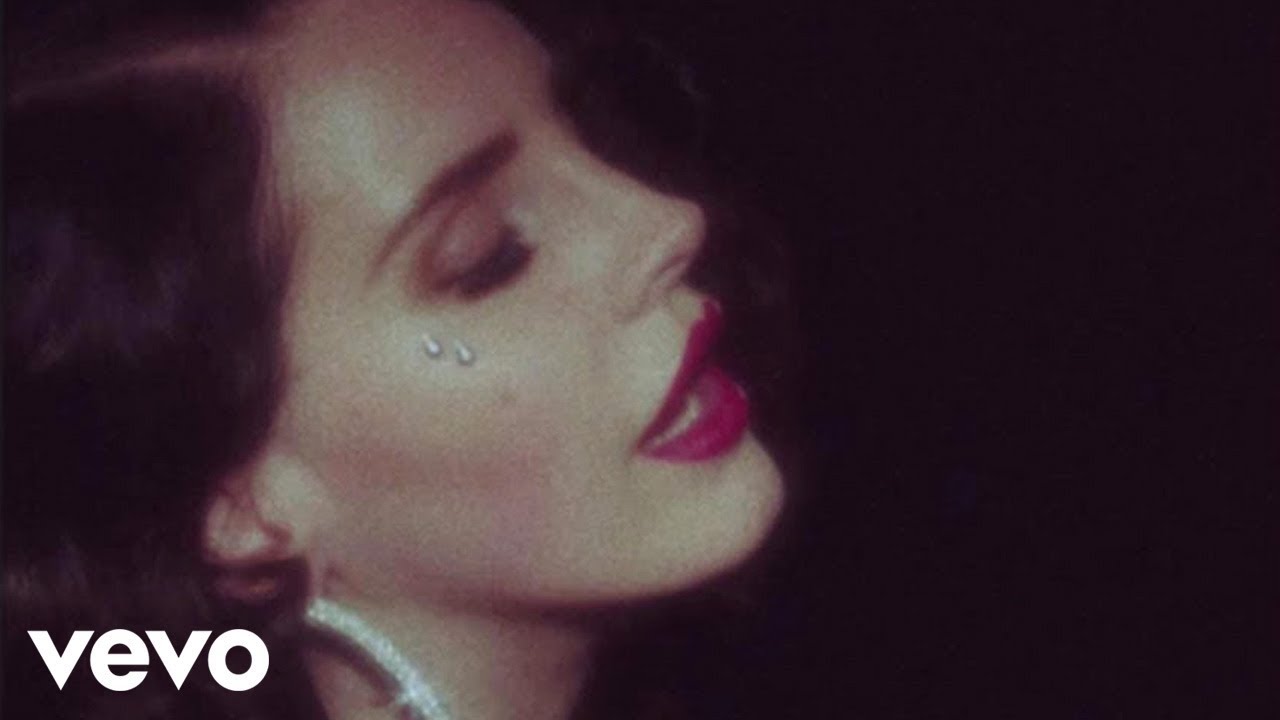
Lana Del Rey – Young and Beautiful
The signature ballad of Baz Luhrmann’s Great Gatsby wasn’t written for the film at all — Lana Del Rey had already recorded its chorus a year earlier for an album that rejected it.
The song most fans associate forever with The Great Gatsby — Lana Del Rey’s aching, orchestral Young and Beautiful — wasn’t written for the movie. Its haunting central question, “will you still love me when I’m no longer young and beautiful,” already existed a full year before Baz Luhrmann’s film arrived, recorded by Del Rey for an album that ultimately left it off the tracklist. How a rejected song became one of the defining film soundtrack moments of the 2010s is a story of perfect, almost accidental, timing.
Keep watching: explore more 2010s → · more Pop →
Del Rey wrote the song in 2012 with Rick Nowels, the veteran songwriter and producer whose long résumé already included Belinda Carlisle’s “Heaven Is a Place on Earth” and Dido’s “White Flag.” The two had become close collaborators — they’d written much of Del Rey’s breakthrough Born to Die together — and this track, then titled “Will You Still Love Me When I’m No Longer Young and Beautiful,” was intended for the Paradise edition of that album. It didn’t make the cut. So fully formed was the chorus, though, that Del Rey sang it a cappella during a Spanish radio interview in mid-2012, months before anyone connected it to Jay Gatsby.
The connection came through Luhrmann himself. The director, famous for threading contemporary music through period films, approached Del Rey while assembling the Gatsby soundtrack and asked her, in her words, to write “a memory cue for Daisy” — a musical signature for the novel’s luminous, unreachable heroine. Del Rey sang him the chorus she already had. He immediately heard it as Daisy’s theme. She then wrote the rest of the song after watching footage of Daisy’s garden scenes, shaping the verses around the film’s central ache: beauty’s impermanence, the terror of being loved only while you’re worth looking at. A rejected album track had found its true home.
A perfect fit for Fitzgerald’s tragedy
It’s hard to imagine a more fitting marriage of song and source. F. Scott Fitzgerald’s novel is, at its heart, about a man surrounded by beautiful things — the mansion, the shirts, the endless parties — and still aching for the one thing money can’t secure. Del Rey’s repeated, almost desperate refrain of “I know you will” captures Gatsby’s doomed faith precisely. Draped over Dan Heath’s sweeping orchestral arrangement, her breathy, retro-glamour vocal evokes the very 1920s world the film recreates while feeling utterly contemporary. The result is a baroque-pop ballad that works as both a standalone Del Rey single and a piece of the film’s emotional architecture.
Audiences and critics responded. Young and Beautiful debuted on the Billboard Hot 100 and climbed to No.22 — at the time, the highest-charting single of Del Rey’s career, a significant leap from the No.91 peak of her breakthrough “Video Games.” It reached No.3 on the Hot Rock Songs chart and No.23 in the UK, topped the chart in the Commonwealth of Independent States, and went Top 10 across Australia, Hungary, Israel, and Italy. In the United States it would eventually be certified six-times Platinum, with comparable or higher certifications in nine other countries. Reviewers reached for words like “haunting” and “somber”; Billboard would later call it the height of Del Rey’s work with Nowels.
The award it should have been nominated for
The song’s awards run carried one genuinely strange chapter. Young and Beautiful earned a Grammy nomination for Best Song Written for Visual Media, a Critics’ Choice nomination, and won Best Original Song at the Satellite Awards. It seemed a natural contender for the Academy Award for Best Original Song — until it wasn’t. During the voting period for the 86th Academy Awards, a letter circulated among the academy’s music committee claiming the song was ineligible, reportedly including a fabricated Variety article asserting that a change in Gatsby‘s release date had disqualified it. The song, which had earlier been deemed eligible, went unnominated. Whether the letter decided its fate or not, one of the most acclaimed film songs of the year was conspicuously absent from the Oscar ballot.
None of it dimmed the song’s life. More than a decade on, Young and Beautiful has only grown in stature — a fixture of Del Rey’s live sets since 2013, endlessly covered, streamed past the billion mark, and cited regularly among her finest recordings. It helped broaden her audience well beyond her early cult following and remains, for many listeners, the definitive Lana Del Rey song: melancholy, cinematic, and quietly devastating. Born Elizabeth Grant on June 21, 1985, Del Rey turns 41 in June 2026, with a career that has reshaped what a modern pop ballad can be. The song an album didn’t want became one she’ll be remembered for.