



Nazareth – Love Hurts
It spent 61 weeks in a chart that only had ten places, and the band had cut it as a single they never expected anyone to keep
Norway’s singles chart in the mid-1970s ran to ten positions. Nazareth’s Love Hurts held one of them for 61 weeks, fourteen of those at No.1, and it remains the biggest-selling single in the country’s history. The band from Dunfermline had recorded it almost in passing — a cover of a fourteen-year-old country ballad, meant for a single rather than for the album they were making — and it went on to outsell everything they wrote.
Keep watching: Nazareth – Hair of the Dog · explore more →
Boudleaux Bryant wrote the song in 1960 for the Everly Brothers, who had already taken his Bye Bye Love and All I Have to Do Is Dream into the charts. They recorded it that July, and then could not release it. A quarrel with their manager and publisher Wesley Rose blocked the single, and the song came out in October 1960 buried as an album track on A Date with the Everly Brothers. Roy Orbison put his version on the back of Running Scared in 1961, where Australian radio found it and nowhere else did. That is the whole commercial history of the song before Nazareth: two great versions, no hit, fourteen years.
Nazareth did not learn it from either of them. Pete Agnew has described the tape that lived in the band’s van — Gram Parsons and Emmylou Harris singing it on Grievous Angel, released in 1974 after Parsons had died. They had wanted to record the song for a long time, and the sessions for their sixth album gave them the opening. Those sessions ran at Escape Studios in Egerton, Kent, with mixing at AIR in London, and Manny Charlton produced them himself — his first time in that chair after three albums with Roger Glover. The album took nine days. Charlton played the slide part that sits under Dan McCafferty’s vocal, a guitar line doing the work a string section would have done on anyone else’s ballad.
The label boss heard it and rearranged the album
Mooncrest released the single in Britain on November 8, 1974, and Britain ignored it. It reached No.41 and stopped. Five months later the record started selling in South Africa, which put it in front of A&M, and the label’s co-founder Jerry Moss made two decisions that changed the band’s career. He pushed the song out as an American single with Hair of the Dog on the B-side, and he pulled the group’s cover of Randy Newman’s Guilty off the American edition of the album to make room for it. Every other territory got a Hair of the Dog without Love Hurts on it. The album cut runs 3:52 with Charlton’s solo intact; the single edit runs 3:03.
America took it to No.8 on the Hot 100 in early 1976, the only version of the song ever to become an American hit, and Billboard ranked it the 23rd biggest single of that year. The RIAA certified it gold. Canada went to No.1, as did South Africa and Belgium’s Flemish chart, and the Dutch Top 40 kept it at No.1 for five weeks from February 21, 1976. Britain came around slowest of all: the song finally reached No.15 there in 1977, and only as part of the Hot Tracks EP rather than under its own name.
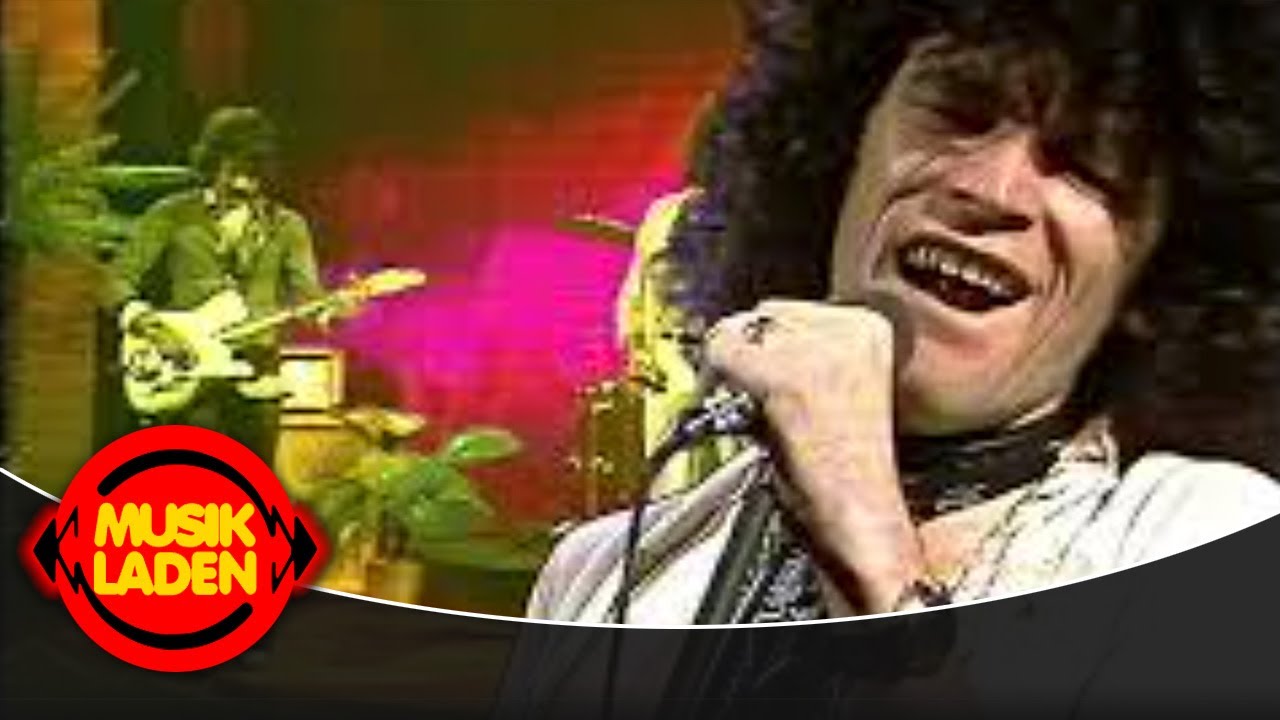
German television, 1976
The performance on this page comes from Musikladen, Radio Bremen’s long-running music program, filmed in 1976 while the record was at its peak across Europe. It is a useful document of what the arrangement actually asks for. McCafferty, whose voice on the band’s own material could strip paint, spends most of the song holding back, and the restraint is the reason the record works — the sound of a hard rock singer refusing to shout. Nazareth had changed one word in Bryant’s central image on the way in, swapping the stove of the 1960 lyric for a flame, which is the only alteration anyone made to the song in fifteen years of covers.
The band never wrote another one like it, partly because they had not written this one either. Fifty years on, a Scottish hard rock group is best known worldwide for a Nashville ballad they cut as a single-only track, rescued from the back of a record by an executive who happened to be listening. McCafferty sang it for nearly four decades before retiring from the road in 2013. He died on November 8, 2022 — the same date, forty-eight years later, that the single had first gone into British shops and sunk.
SONG INFORMATION
Related videos
 Watch LaterAdded
04:53
Watch LaterAdded
04:53  Watch LaterAdded
04:22
Watch LaterAdded
04:22  Watch LaterAdded
03:21
Watch LaterAdded
03:21