








Alice Cooper – I’m Eighteen
The Producer Misheard the Chorus as “I’m Edgy,” the Band Phoned Radio Stations Pretending to Be Fans, and a Failing Group Got One Last Shot — and Took It
When the young Canadian producer Bob Ezrin first heard the song that would save Alice Cooper’s career, he thought it was called “I’m Edgy.” That misheard chorus turned out to be fitting, because “I’m Eighteen” is all edge — the sound of a band on its last chance turning teenage frustration into a tight, snarling three minutes of hard rock. By late 1970, the Alice Cooper group had released two commercially dead albums of psychedelic freak-rock on Frank Zappa’s label and was running out of road. “I’m Eighteen” was the gamble that changed everything — but only after the band resorted to some genuinely sneaky tactics to make anyone hear it.
Keep watching: Alice Cooper – School’s Out → · More Rock →
The song didn’t start out tight at all. It began as a sprawling eight-minute jam called “I Wish I Was 18 Again,” the kind of loose, unfocused piece the band had built its early reputation on. Ezrin, brought in with a classical and folk background and an obsession with structure, hacked it down to a taut rocker of under three minutes, rearranging it note by note. Drummer Neal Smith later said Ezrin became “like the 6th member of the band — the one person who had the final word.” The lyrics nailed a very specific anxiety: being caught between childhood and adulthood, old enough to be drafted to Vietnam but, in many states, not old enough to vote or drink. “Lines form on my face and hands, lines form from the ups and downs,” Cooper sings, before the song flips at the end into defiant acceptance: “I’m eighteen, and I like it.” Cooper, for the record, was actually 23 when they recorded it.
Then came the hustle. Warner Bros. considered the single a fluke and gave the band only a conditional promise: if “I’m Eighteen” sold, they could make an album. So the band made it sell. They posed as ordinary fans and flooded radio stations with hundreds of phone calls requesting the song, and manager Shep Gordon is said to have paid people a dollar apiece to call in and request it too. The manufactured demand worked — the song spread to mainstream AM radio across the country and climbed to No. 21 on the Billboard chart in early 1971. The timing was uncanny: 1971 was the year the 26th Amendment lowered the U.S. voting age to 18, putting the exact frustration the song described at the center of national news. Warner gave the band the green light, and Love It to Death, their breakthrough album, was born.
The Song That Helped Invent Punk
“I’m Eighteen” did more than rescue Alice Cooper — it laid groundwork for a whole genre that didn’t exist yet. Its raw, aggressive simplicity became a template for punk rock half a decade before the Sex Pistols. Joey Ramone built the very first Ramones song, “I Don’t Care,” on the chords of its main riff. John Lydon — soon to be Johnny Rotten — has said his entire musical life “started with me miming to ‘I’m Eighteen’ on a jukebox,” and famously auditioned for the Sex Pistols by doing exactly that; he later wrote the song “Seventeen” in direct response to it. Rolling Stone, placing the song on its list of the 500 Greatest Songs of All Time, captured why it mattered: before “I’m Eighteen,” Cooper was just another hairy rock oddball, but this proto-punk smash defined the age when, in Cooper’s words, you’re “old enough to be drafted but not old enough to vote.”
From Failing Band to Shock-Rock Empire
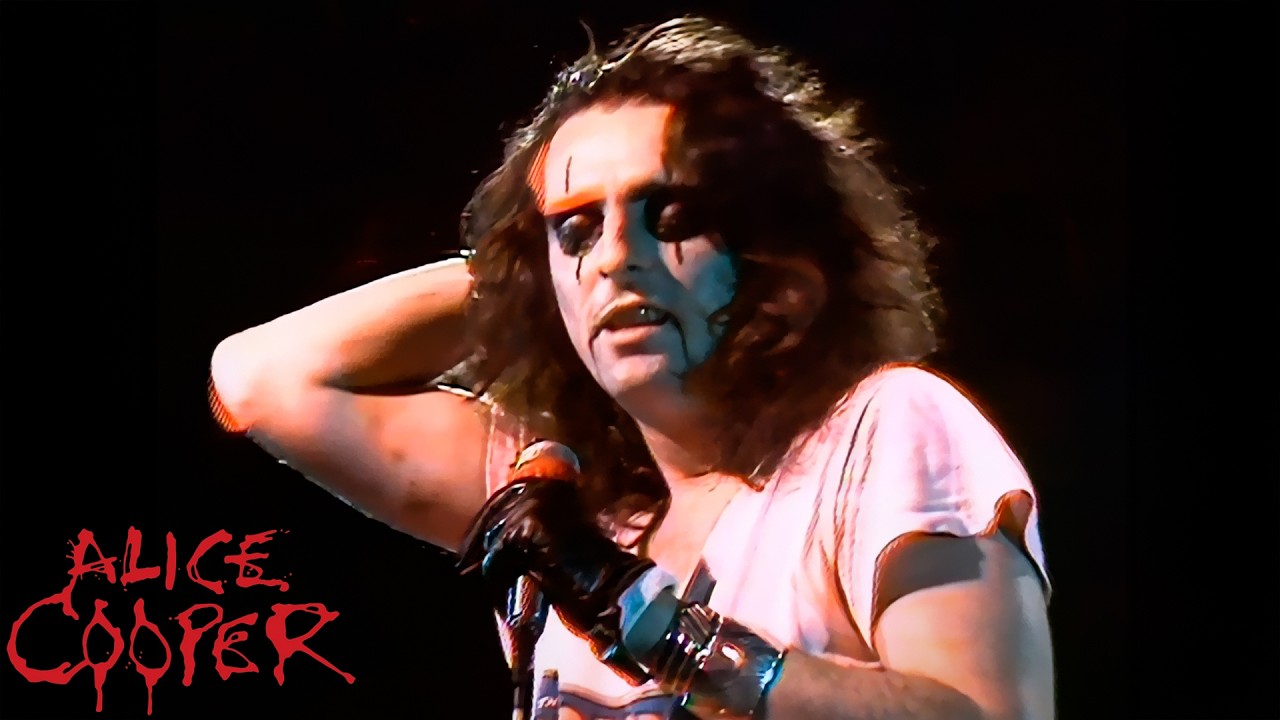
The performance on this page comes from Beat-Club, the influential German television program, captured in 1972 as Alice Cooper was riding the momentum “I’m Eighteen” had created. By then the band — Cooper, lead guitarist Glen Buxton, guitarist and keyboardist Michael Bruce, bassist Dennis Dunaway, and drummer Neal Smith — was transforming into one of the most theatrical and successful acts in rock. School’s Out arrived in 1972 and Billion Dollar Babies topped charts on both sides of the Atlantic in 1973, their tours breaking box-office records previously held by the Rolling Stones. The original band split in 1975, and Vincent Furnier carried the Alice Cooper name into a long solo career, eventually earning the title “the Godfather of Shock Rock.” The original group was inducted into the Rock and Roll Hall of Fame in 2011. But it all traces back to one tight, furious song that a failing band had to trick the world into hearing — the one Ezrin first thought was called “I’m Edgy,” and which turned out to be exactly that.