





Billy Idol – Dancing With Myself
Chrysalis released it three times and it flopped three times, and none of the three failures had anything to do with the record
Chrysalis released Dancing With Myself three separate times — Britain in October 1980, America in 1981, both markets again in 1983 — and it missed on every attempt. The British peak was No.60. In America it never reached the Hot 100 at all, stalling at No.102 on Billboard’s Bubbling Under chart. On the ledger a label kept in 1983, the record was a straightforward failure. It is now the song most people can produce if you ask them to name one by Billy Idol, and radio had almost nothing to do with that.
Keep watching: Billy Idol – Mony Mony (Live/1987) · explore more →
The song started in a Tokyo discotheque in mid-1979, while Generation X were touring Japan. Idol and bassist Tony James watched the young crowd on the floor and noticed something odd about where everyone was facing: the mirrored walls, not each other. Each dancer had paired off with a reflection. The pair wrote the song out of that image, and the band cut a demo of it at Olympic Studios in West London during the same stretch of 1979. That version stayed in a vault for nineteen years, surfacing only on a 1998 archive release. By the time anybody heard it, Generation X had already come apart.
What survived the split was Idol, James, and a shortened name. Billed as Gen X, they booked AIR Studios in London in mid-1980 and handed production to Keith Forsey, a session drummer turned producer who would spend the decade attached to the biggest soundtracks in America. The guitar on the finished single is three players stacked on top of one another: Steve New took the lead, Steve Jones of the Sex Pistols played rhythm, and Danny Kustow, on loan from the Tom Robinson Band, added a further layer. James later singled out New, who played the hook line and the solo and played them, in his word, brilliantly. Chrysalis put the single out in October 1980 ahead of the album. It spent two weeks on the chart, reached No.62, and vanished. It crept back in early 1981 to No.60. Kiss Me Deadly arrived on January 23, 1981, and the band was finished before the year turned properly.
New York took the record Britain had already handed back
Idol moved to New York in 1981 to start again as a solo act, and one of the first things he did was reopen the song. Forsey remixed it rather than re-recording it, pulling the guitars and bass down in the picture and taking out the tambourine, which left the beat exposed and the melody sitting on top of it. The 7″ went out credited to Billy Idol featuring Generation X; a 6:05 extended cut went to clubs on a promotional 12″; an edit ran 4:51 on the Don’t Stop EP in October 1981. American dance floors did what British record shops had not. The song reached No.27 on Billboard’s Hot Dance Club Play chart, which stands as Idol’s first appearance on any American chart. The version that had failed as a punk single worked as a club record with the guitars turned down.
A horror director got the assignment
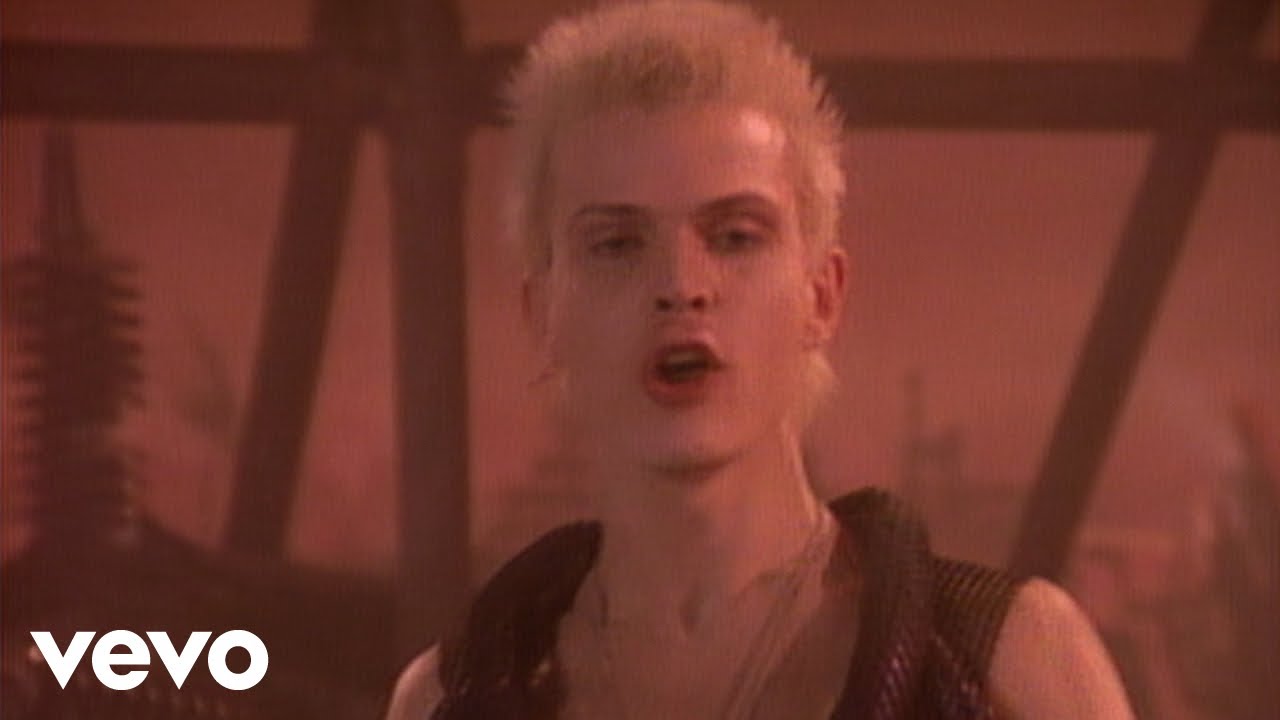
Chrysalis put roughly $70,000 into a video and gave it to Tobe Hooper, whose reputation rested on The Texas Chain Saw Massacre. Hooper brought the man who shot it: Daniel Pearl, for whom that 1974 film had been a first feature and who would take the first MTV award for cinematography a year later. Jeffrey Abelson produced. Hooper built the clip on the premise of The Omega Man — one man alone in a ruined city, mutant revelers massing below, Idol riding an elevator up through a building where nothing good is happening on any floor and emerging onto a skyscraper roof to sing. Billboard reported it due out in the week of August 20, 1983. By late September MTV had it in heavy rotation. Nothing about the three-year-old recording had changed. What changed was that a horror crew had been paid to make people look at it.
The 1983 reissue still bombed where it counted. Britain declined to chart it at all. America kept it below the Hot 100. But the territories where television did the selling behaved differently — Canada took it to No.39, and New Zealand put it at No.9 and eventually certified it Platinum, the only Top 10 placing the song ever earned anywhere.
The title has been misread ever since as a smirking euphemism, a reading Idol has spent decades correcting with the same story about mirrors in Tokyo. He plays it at nearly every show and introduces it as a Generation X song rather than one of his own. He named his 2014 memoir after it. In April 2026 he was voted into the Rock and Roll Hall of Fame as part of the Class of 2026, with the ceremony set for November 14 in Los Angeles. The three commercial failures were real, and they were not a verdict on the record. They were a verdict on a singles market that had no way to show anyone a man on a rooftop.
SONG INFORMATION
Enjoyed this one? New forgotten gems every day — tap Music Videos Club below to visit and follow us on Facebook:
Related videos
 Watch LaterAdded
03:40
Watch LaterAdded
03:40  Watch LaterAdded
03:10
Watch LaterAdded
03:10 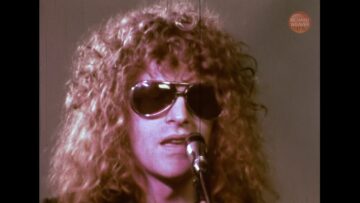 Watch LaterAdded
03:33
Watch LaterAdded
03:33