The band wrote it on a tour bus to prove a point to a journalist who asked how they put songs together — then opened their live show with it for the next fifty years.
It started as a dare. On the bus to a September 1971 gig at the Portsmouth Guildhall, a journalist asked Deep Purple how they wrote songs. Rather than explain, Ritchie Blackmore picked up a guitar and started vamping a riff, Ian Gillan began improvising a melody over the top, and by the time the bus arrived the band had the bones of Highway Star. They played it that same night — a song that did not yet exist that morning — and it never left the set again.
What began as an on-the-spot demonstration became the opening track of Machine Head, the album that turned Deep Purple from a successful British hard rock band into one of the defining acts of the era. The song is the fastest on the record, built on a relentless forward drive that mirrors its subject — speed, machinery, a car and a girl and the open road. Gillan’s lyric is deliberately plain on the page, almost comic in its directness, but delivered at full throttle it becomes something closer to a battle cry.
The recording itself came out of chaos. Deep Purple had traveled to Montreux, Switzerland, in December 1971 intending to record in the Casino using the Rolling Stones Mobile Studio, chasing the live sound they felt their studio albums never quite captured. The night before sessions began, a fire broke out during a Frank Zappa concert and burned the Casino to the ground — the incident that later became Smoke on the Water. Displaced, the band set up in the empty Grand Hotel, running cables through corridors and recording in whatever rooms worked. Highway Star was cut in that improvised environment between December 6 and 21, 1971.
Blackmore’s solo is the song’s centerpiece, and unusually for him, it was composed rather than improvised. He worked it out at home before the sessions, building it on a descending classical progression he likened to Bach — one of the earliest and clearest examples of the neoclassical approach that would shape hard rock and metal guitar for decades. Jon Lord’s organ solo answers it in kind, the two instruments trading classical phrasing at rock volume. It is the sound of a band discovering exactly what it was for.
From the studio to the stage, where it truly lived
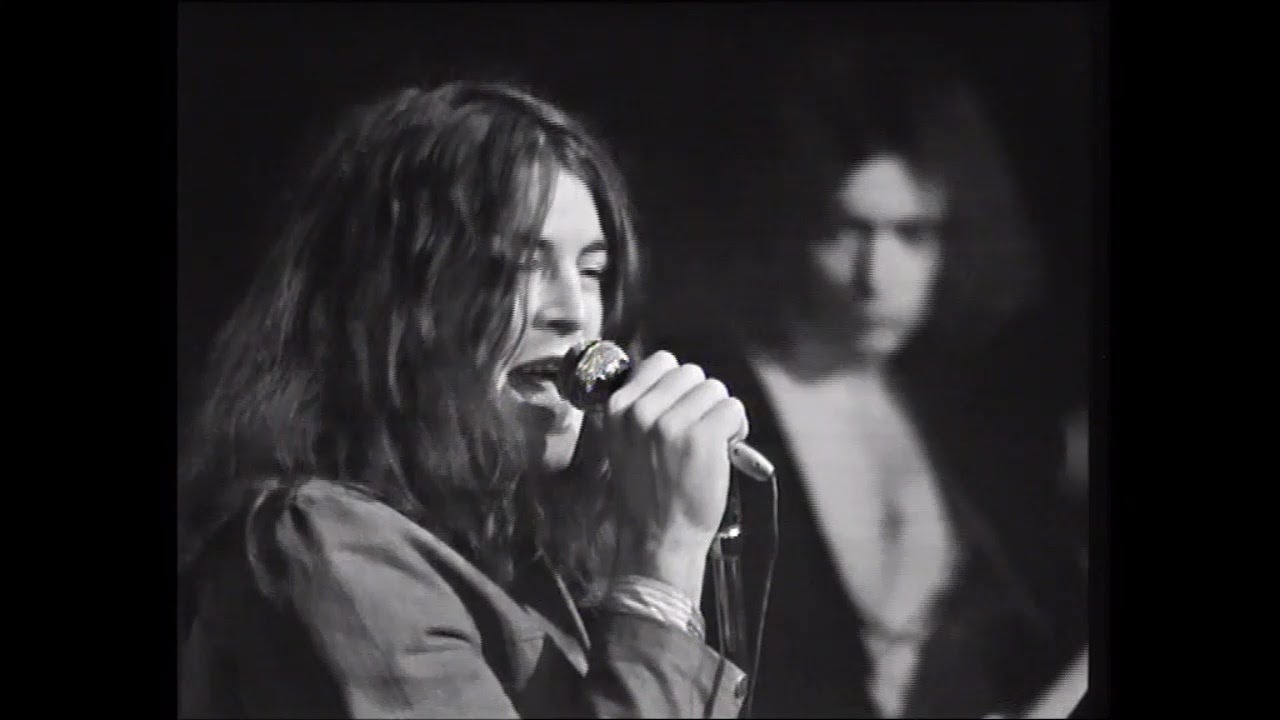
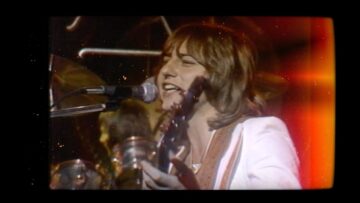
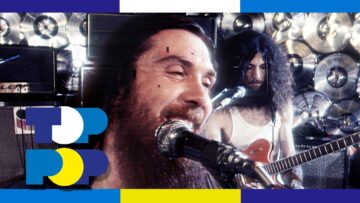
Released as a single in edited form in the autumn of 1972, Highway Star did not chart — but that was almost beside the point. Its real home was the concert stage. By early 1972, with Machine Head not yet in shops, the song was already opening Deep Purple’s live set; at the band’s March 1, 1972 show at the KB Hallen in Copenhagen, Gillan introduced it to the crowd as a brand-new number from an album still to come. As the parent album went to No. 1 in the UK and reached No. 7 on the Billboard 200, the song became the curtain-raiser it would remain for the rest of the band’s career.
More than half a century on, Highway Star stands as one of the foundational documents of hard rock — proof that a song written in an afternoon, almost on a bet, can outlast nearly everything made with more deliberation. It remains the way Deep Purple have chosen, again and again, to walk onto a stage and announce themselves.
SONG INFORMATION
Artist: Deep Purple
Song: “Highway Star”
Album:Machine Head
B-side: “Highway Star (long version)”
Released: September 1972 (single); album March 30, 1972
Recorded: December 6–21, 1971
Studio: Grand Hotel, Montreux, Switzerland (Rolling Stones Mobile Studio)
Label: Purple / Warner Bros.
Songwriter(s): Ritchie Blackmore, Ian Gillan, Roger Glover, Jon Lord, Ian Paice
Producer(s): Deep Purple
Length: 6:05 (album version)
Chart Performance: Album Machine Head reached No. 1 (UK) and No. 7 (US Billboard 200); the edited single did not chart
Lineup: Ian Gillan (vocals), Ritchie Blackmore (guitar), Jon Lord (organ), Roger Glover (bass), Ian Paice (drums)