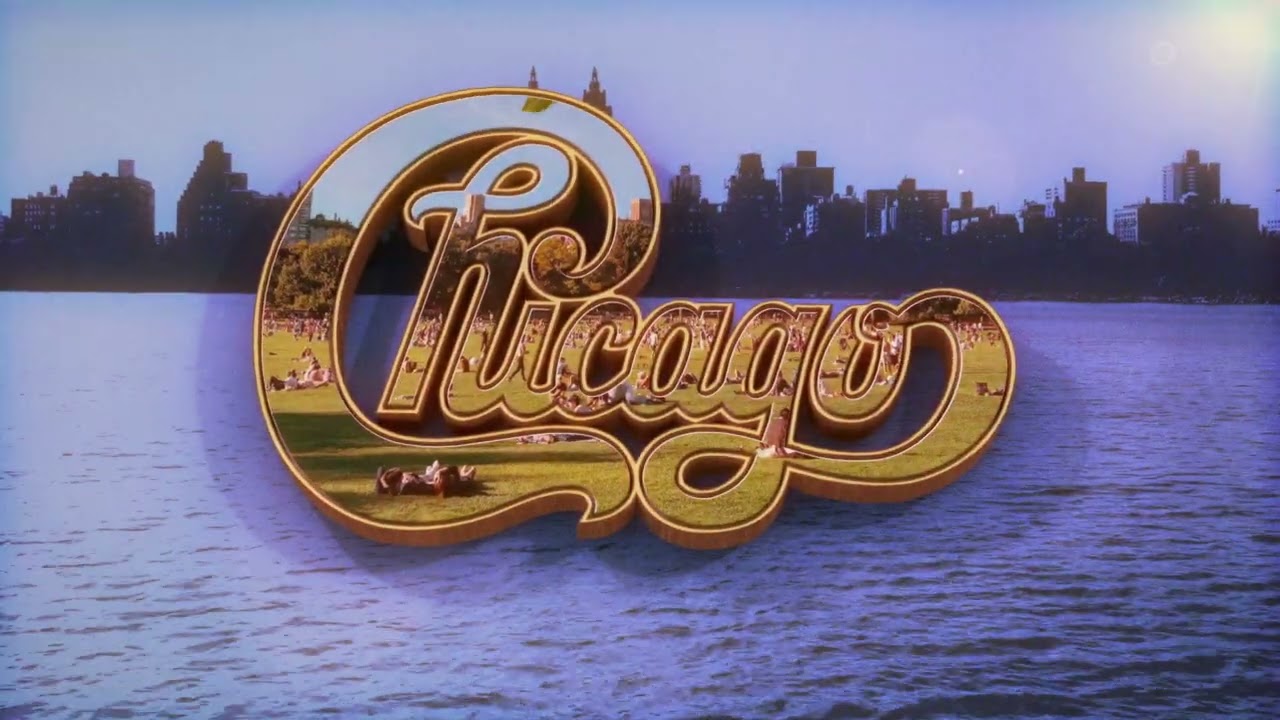
The ultimate Fourth of July song opens with the line “I think it was the Fourth of July” — and to this day the band can’t quite agree on which Fourth of July actually inspired it.
No song owns the Fourth of July quite like Chicago’s Saturday in the Park. It practically ushers in summer the moment that famous piano figure rolls in, and its opening line — “Saturday in the park, I think it was the Fourth of July” — has become shorthand for the whole American holiday. Yet the tidy origin story hides a small, charming mystery: the members of Chicago have never entirely agreed on which Fourth of July gave them the song.
The song was written by keyboardist and founding member Robert Lamm, the man behind so much of early Chicago’s best material — 25 or 6 to 4, Beginnings, Does Anybody Really Know What Time It Is? By his bandmate Walter Parazaider’s account, the spark came in New York’s Central Park: Lamm returned to the hotel buzzing after seeing steel-drum players, singers, dancers and jugglers, and Parazaider told him it was time to put music to what he’d seen. Lamm himself has told it a little differently, saying he actually wrote the song later while looking at footage he’d shot in Central Park over a couple of years. And the calendar adds one more wrinkle: the Fourth of July he most often points to fell on a Sunday, not a Saturday. The truth is somewhere in that warm blur of memory — which suits a song this dreamy just fine.
A summer scene set to horns
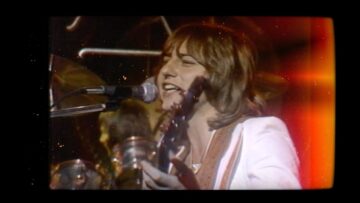
What isn’t in dispute is the craft. Lamm built the melody on the bones of a Beatles song, You Won’t See Me, something he has freely admitted, and wrapped it in Chicago’s signature horn-driven attack. He sang lead alongside bassist Peter Cetera, whose bright “Can you dig it? Yes, I can” answer-vocals became one of the song’s most quoted hooks. Then there’s the bit of studio mischief that has puzzled fans for fifty years: after the line “singing Italian songs,” Lamm launches into what sounds like Italian but is mostly playful gibberish. Printed lyrics have long marked it with a shrug. In concert, though, the band leaned into the real thing — footage of Chicago performing the song at the Arie Crown Theater in their hometown in 1972 catches Lamm clearly singing “Eh Cumpari, ci vo sunari,” the opening of a genuine Neapolitan tune made famous by Julius La Rosa.
Released as a single in July 1972 from the album Chicago V, Saturday in the Park became the band’s biggest hit to that point, climbing to No. 3 on the Billboard Hot 100 and No. 8 on the Adult Contemporary chart. It was Chicago’s first single certified Gold, selling more than a million copies, and it powered Chicago V — the band’s first single-disc album after a run of doubles — all the way to No. 1. Critics heard exactly what audiences did: Cash Box predicted the “hornrockers” had a summer smash, and time proved them right many times over.
A vintage performance, newly released
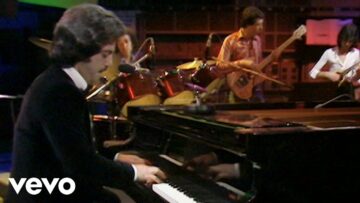
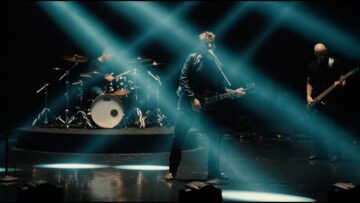
That 1972 Arie Crown concert is now at the center of the song’s latest chapter. On July 3, 2026, Chicago’s official channel released a new video for Saturday in the Park built around archival footage from that hometown show, letting a new generation watch the band perform the song in their prime — the classic seven-piece lineup of Lamm, Terry Kath, Cetera, Parazaider, Lee Loughnane, James Pankow and Danny Seraphine, caught in the exact year the record ruled the summer. It is a fitting way to reintroduce a song that has never really left, a piece of music that has soundtracked films from My Girl to countless holiday weekends and remains, more than five decades on, the sound of a perfect afternoon outdoors.
The staying power comes down to its pure, uncomplicated warmth. There is no heartbreak in Saturday in the Park, no darkness under the surface — just people dancing, laughing, a man selling ice cream, and the feeling that all is not lost. Lamm has said the song essentially wrote itself, and it plays that way: effortless, sunlit, generous. Whether the Fourth that inspired it was 1970 or 1971, a Saturday or a Sunday, hardly matters now. Every Fourth of July since has belonged, at least a little, to this song.
SONG INFORMATION
Artist: Chicago
Song: “Saturday in the Park”
Album:Chicago V
Released: July 1972
Recorded: 1972
Label: Columbia
Songwriter: Robert Lamm
Producer: James William Guercio
Chart Performance: No. 3 US Billboard Hot 100; No. 8 US Hot Adult Contemporary
Certification: RIAA Gold
Performance: Arie Crown Theater, Chicago, 1972 (archival footage in the official video)
Lineup: Robert Lamm (piano, vocals), Peter Cetera (bass, vocals), Terry Kath (guitar), Lee Loughnane (trumpet), James Pankow (trombone), Walter Parazaider (saxophone), Danny Seraphine (drums)