



![Tina Turner – Private Dancer (Official Music Video) [4K Upgrade]](https://musicvideosclub.com/wp-content/uploads/2025/11/tina-turner-private-dancer-offic-360x203.jpg)

Sade – The Sweetest Taboo
When Glasses And Bottles Created Magic
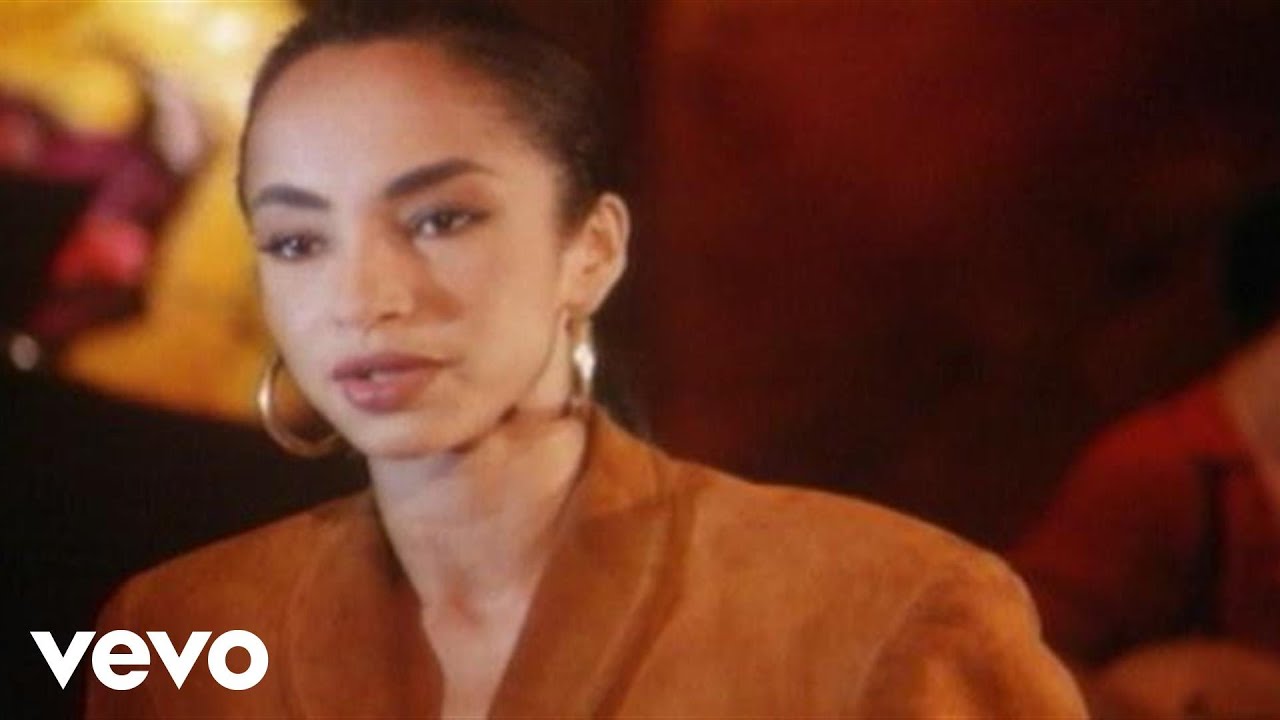
Sade released “The Sweetest Taboo” in October 1985 as the lead single from their second album Promise, and while it peaked at number 31 in the UK, America heard something British radio missed. The track climbed to number five on the Billboard Hot 100 in March 1986, staying in the top 40 for 13 weeks and spending six months on the chart. It hit number one on the Adult Contemporary chart, following “Smooth Operator” to the summit and proving Sade Adu’s restrained vocal style connected with audiences tired of vocal gymnastics. The British press dismissed her as lounge-act polish without substance, but American listeners recognized sophistication when they heard it, making the song one of the decade’s defining quiet storm moments.
The chart disparity told a cultural story. Britain in 1985 chased dance-pop and new wave energy, while American radio embraced the mature, sensual arrangements VH1 had launched specifically to showcase. Adult Contemporary stations reinstated practices from the 1970s, adding album tracks like “Is It a Crime” and “Tar Baby” to playlists based purely on Promise‘s success. The album itself topped both the UK and US charts simultaneously, selling four million copies in America alone and earning quadruple platinum certification. When “The Sweetest Taboo” spent those six months on the Hot 100, it wasn’t just selling records. It was changing how radio programmers thought about sophistication versus spectacle.
The song began with a Yamaha RX11 drum loop that touring drummer Martin Ditcham created and brought to the band with a basic chord sequence. Ditcham and official drummer Dave Early then invented the distinctive pre-chorus percussion by raiding Power Plant Studios for glasses and bottles, tapping them with various implements and blowing across bottle tops like kids discovering physics. That childlike experimentation created the song’s most memorable moment, the percussive break that feels both organic and otherworldly. Rain sounds from a effects disc bookended the track, framing the narrative as something happening between storms. Sade Adu wrote lyrics about a love so intense it felt forbidden, using the phrase “quiet storm” to reference both the radio format and the sexual tension the song embodied.
Recording at Power Plant Studios in London between February and August 1985, the band worked with the same production team from Diamond Life: Robin Millar, Mike Pela, and Ben Rogan. Pela engineered the sessions in Studio One, a 30 by 25 by 18-foot live space featuring a 36-channel Harrison Series 24 console and Urei 813B monitors. The majority of Promise tracked live, maintaining the band’s philosophy of capturing performance rather than constructing perfection. Adu recorded her vocals standing behind a corrugated metal screen at the back of the control room, singing through a Neumann U87 treated with a delayed EMT 140 echo plate, Dbx 160X compressor, and for the middle section, an AMS RMX reverb. She delivered complete takes rather than piecing together vocals, confident enough to nail the phrasing without extensive comping. The band had evolved since Diamond Life, incorporating technology like the Yamaha DX7 synthesizer Andrew Hale used to replace the Rhodes piano, but never letting equipment dominate the human touch.
Promise became Sade’s first album to top both the UK and US charts, spending two weeks at number one on the Billboard 200. The album sessions included two weeks at Studio Miraval in Provence, France, though most tracking happened at Power Plant. Unlike Diamond Life, which Adu and Stuart Matthewman wrote entirely, Promise featured contributions from all four band members, emphasizing their collaborative identity. The album’s title came from a letter Adu received from her father referencing his promise of hope while battling cancer, adding emotional weight to material already dealing with love’s complexities. Following “The Sweetest Taboo,” the band released “Never as Good as the First Time” and “Is It a Crime,” all three sharing connected narratives in Brian Ward’s videos filmed between New York lofts and Andalusian deserts.
The song’s influence extended beyond chart success. Prince referenced it in “S.S.T.” with the line about the groove in Sade’s sweetest taboo. Wyclef Jean name-checked it in “Rear View.” Mos Def rapped about playing it in “Ms. Fat Booty.” Artists recognized what audiences understood instinctively: this wasn’t just another single but a template for how restraint could generate more erotic tension than exhibition. The bossa nova-influenced rhythm, Paul Denman’s palm-muted bass creating percussive dryness against Dave Early’s smooth drumming, and Matthewman’s jazz-inflected guitar created space for Adu’s voice to inhabit rather than dominate. The music video directed by Ward intercut New York scenes with Spanish desert footage of Adu on horseback, continuing storylines that connected to “Never as Good as the First Time” and “Is It a Crime” in a trilogy about love, fear, and matadors.
In 1986, Sade won the Grammy for Best New Artist, becoming the first Nigerian-born artist to receive the honor. The band followed Promise with Stronger Than Pride in 1988, but “The Sweetest Taboo” remained their signature achievement, the song that proved minimalism could seduce mainstream audiences without compromise. Engineer Mike Pela, who’d continue working with Sade through Lovers Rock in 2000, understood the magic happened because the band refused to overwork material. Those glasses and bottles, tapped experimentally in a London studio, created percussion that defined sophisticated pop for a generation learning that what you withhold matters as much as what you reveal.