Bon Jovi’s best-selling hits album carried a new song about people with nothing, and it pointed straight at the band they were about to become.
The best-selling album in Britain in 1994 was a Bon Jovi greatest-hits collection, and one of its two new songs was about people with nothing to show for their week. Cross Road gathered a decade of hits, from the band’s debut through Keep the Faith, and went to No.1 in thirteen countries. Always was the new ballad that sold it. Someday I’ll Be Saturday Night was the other new track, and it was not about winning anything.
Jon Bon Jovi and Richie Sambora wrote it with Desmond Child, the outside writer who had helped them build Livin’ on a Prayer, and it shares that song’s habit of giving its trouble names. The people here are further down than Tommy and Gina ever were. One is a man out of work and sleeping in his car. The other is a young woman whose childhood was taken from her and who has ended up living on the street. The chorus does not rescue either of them. It only promises that the week turns eventually, and the title is that promise.
Peter Collins produced the track. Mercury released Cross Road on October 11, 1994, then issued the song as the album’s second single on February 5, 1995. The UK chart ranked it as high as No.7, and it reached No.6 in Ireland, No.4 in Finland, and No.10 in Australia. The Dutch Top 40 took it only to No.26. A reviewer at Smash Hits heard less rock in it than country and gave it three stars out of five.
Between two Bon Jovis
The band promoting the single was no longer the band that had made the hits on the rest of the album. Alec John Such, the bassist since the beginning, left in late 1994, and Always had been his final single with them. Hugh McDonald took over as the session and touring bassist without ever being made an official member. The album the four remaining members were finishing was recorded in studios in Nashville, Hollywood, and Woodstock, and it was a darker record than anything they had released before.
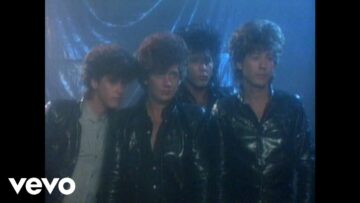
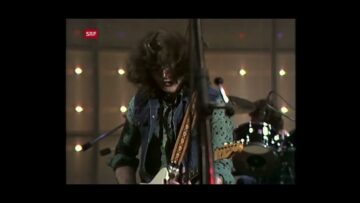
By the spring of 1995 the single had already peaked in Britain and in the Netherlands. The TROS TV Show performance, broadcast on Dutch television on April 14, 1995, and labeled live on the TopPop channel, comes from that stretch between records. On May 23, Mercury released This Ain’t a Love Song, and on June 27 it released These Days. Two days before the album came out, the band played Wembley Stadium in London for 72,000 people.
The song kept changing after that. A 1995 recording from Melbourne, later released on One Wild Night Live 1985–2001, has Jon Bon Jovi slowing the opening down and letting the crowd carry it before the band returns to tempo, and later tours reworked it as a slow acoustic number. It was filed among the greatest hits because that is where it was released. It belongs at the start of what came next: a song about being stuck, released after the original lineup had broken, as the band finished the darkest record of its career.
SONG INFORMATION
Artist: Bon Jovi
Song: “Someday I’ll Be Saturday Night”
Album:Cross Road
B-side: “Good Guys Don’t Always Wear White”
Released: February 5, 1995 (single); album released October 11, 1994
Label: Mercury
Songwriter(s): Jon Bon Jovi, Richie Sambora, Desmond Child