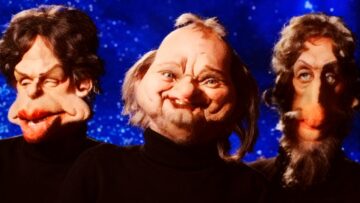
The single was pressed, boxed, and then destroyed on the band’s own orders — a handful survived the scrapping and became the rarest object in synth-pop.
Somewhere in Britain in 1980, a stack of brand-new ten-inch records was destroyed on the instructions of the band who had made them. Dindisc had pressed Messages using the version from Orchestral Manoeuvres in the Dark’s debut album, and Andy McCluskey objected — he wanted the song re-recorded properly before it went out as a single. So the run was scrapped. A handful of copies escaped the destruction, some of them given away in a fan-club competition later that year, distinguishable from the common pressing only by a shorter running time and different etching in the runout groove. They remain among the most sought-after objects in synth-pop collecting. And the replacement, the version the band actually wanted, gave OMD their first hit.
The song was older than the band’s fame. Written by Paul Humphreys and McCluskey, it dated back to a 1978 demo, was played at their earliest Liverpool shows, and had already been recorded for a John Peel session in August 1979 before appearing on the self-titled debut album in February 1980. That album version was produced by the duo alongside a figure credited as Chester Valentino — in reality a pseudonym for their manager and engineer Paul Collister — and the band were never quite satisfied with it. For the single they brought in Mike Howlett, the former Gong bassist turned producer who would go on to shape much of their early catalog, and cut the song again from scratch at Advision Studios in London. Released on May 2, 1980, in both seven- and ten-inch formats with sleeves designed by Peter Saville, it was the third and final single from the debut.
The hit with no chorus
What makes Messages distinctive is what it refuses to do. Like the band’s debut single Electricity, it has no sung chorus at all — where a pop song would open its throat and deliver the hook, OMD instead hand the moment to a melodic synthesizer break, a wordless refrain played rather than sung. It should have been commercial suicide. Instead radio embraced it, and the record began a slow, unusual climb. OMD made their first Top of the Pops appearance on May 8, 1980, performing the song while it still sat at No. 53 — a full fortnight before it even reached the Top 40. It hit No. 26 the following week, earning a second Top of the Pops slot on May 29, and eventually peaked at No. 13, the band’s first Top 40 entry and their commercial breakthrough. In the United States it registered on Billboard’s club chart, an early sign of the dancefloor audience that would carry synth-pop across the Atlantic.
The strike that stopped it
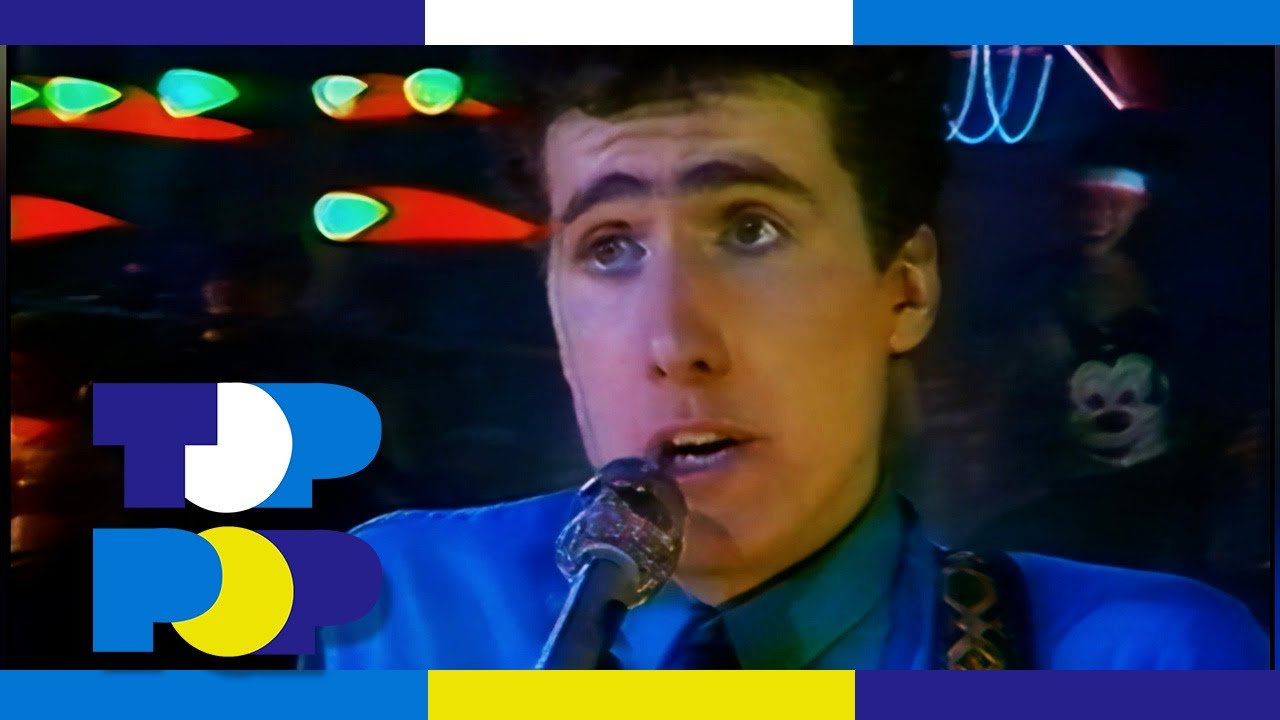
Then the momentum hit a wall nobody could have planned for. A BBC strike took Top of the Pops off the air for two months, meaning that despite climbing to its No. 13 peak, Messages was never performed on the programme again — the band’s biggest moment to date, cut off from the country’s biggest music show at exactly the wrong time. There is a small, human coda to the whole saga: Howlett has recalled that during a dummy session for Top of the Pops, McCluskey told him he still preferred the original album version — the very recording he had insisted on scrapping. The performance on this page comes from the Dutch broadcaster’s archive, filmed for TROS Top 50 on July 3, 1980, two months after release and right in the middle of that chart run. Within weeks OMD were back in the studio; that September they released Enola Gay, and the string of Top 10 hits that made them one of the defining bands of the decade began in earnest.
SONG INFORMATION
Artist: Orchestral Manoeuvres in the Dark
Song: “Messages”
Album:Orchestral Manoeuvres in the Dark
B-side: “Taking Sides Again”; “Waiting for the Man” (10″)
Released: May 2, 1980
Recorded: Advision Studios, London
Label: Dindisc
Songwriter(s): Paul Humphreys, Andy McCluskey
Producer(s): Mike Howlett
Length: 3:59 (7″); 4:41 (10″)
Sleeve Design: Peter Saville
Chart Performance: No. 13 UK (1980) — the band’s first Top 40 hit
Performance: TROS Top 50 (TopPop), July 3, 1980
Lineup: Andy McCluskey (vocals, bass), Paul Humphreys (keyboards)




![David Lee Roth – California Girls (Official Video) [HD]](https://musicvideosclub.com/wp-content/uploads/2026/10/david-lee-roth-california-girls-360x203.jpg)