She wrote it for the singer from Herman’s Hermits and never meant to perform it herself — then it made her the first British woman to top a chart with a song she’d written.
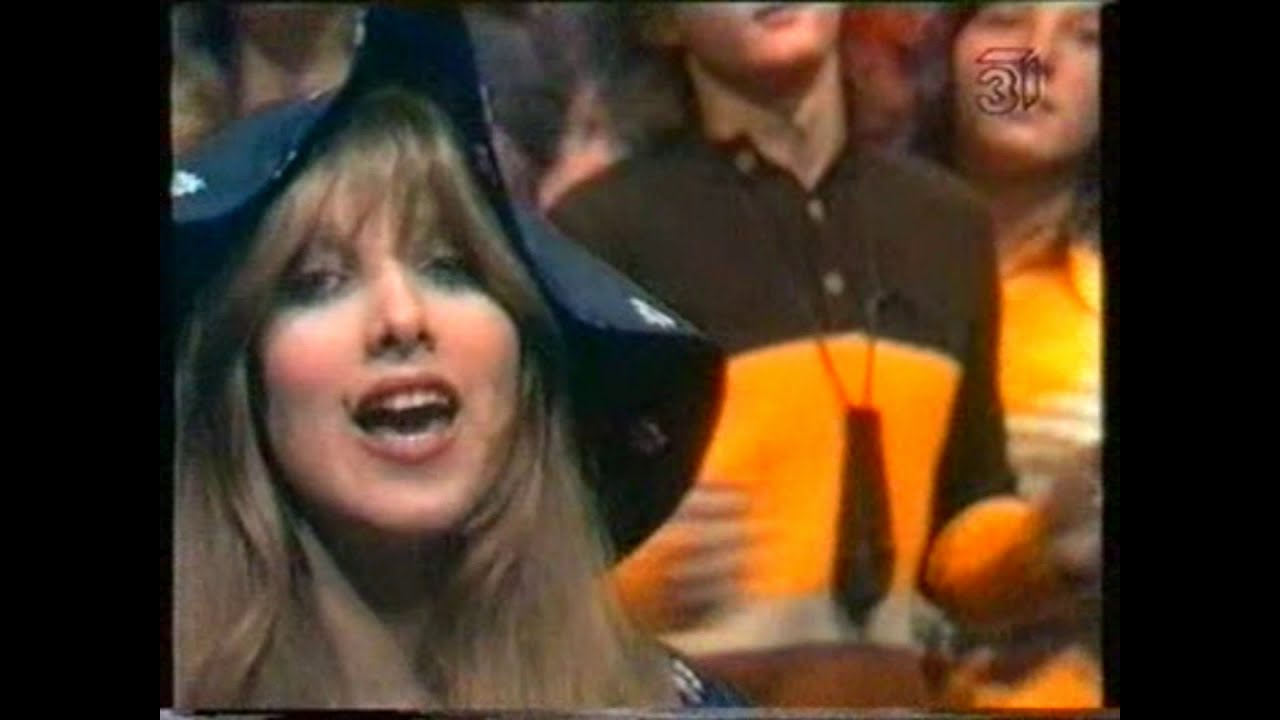
Lynsey de Paul did not set out to be a pop star. She was a commercial artist — a designer who, among other things, made record sleeves — and when she drifted into songwriting it was as a writer for other people, not a performer. Sugar Me, the sultry, piano-led song that would launch her, was written with Peter Noone of Herman’s Hermits in mind. She had no particular intention of singing it herself.
The turn came from an unexpected corner. De Paul’s boyfriend at the time was the comedian and musician Dudley Moore, and it was Moore who suggested she take her demo to Gordon Mills — the powerhouse manager behind Tom Jones, Engelbert Humperdinck, and Gilbert O’Sullivan. Mills listened, and rather than place the song with someone else, he urged de Paul to record it herself and release it on his MAM label. She agreed, co-writing it with Barry Green, a writer who would soon find his own fame performing as Barry Blue. Recorded at AIR Studios near Oxford Circus with de Paul at the piano, Sugar Me became her debut single in 1972.
The record is a small marvel of restraint and atmosphere. De Paul’s vocal is hushed and close, almost conspiratorial, riding a gentle piano figure rather than any big production. The song builds toward a violin solo that carries it out — an unusual, slightly old-fashioned touch that gives the record a timeless, music-box quality. It sounds like nothing else on the radio in 1972, and that was its strength.
The reluctant writer who rewrote the record books
What happened next put de Paul in the history books. Sugar Me reached number 5 in the UK, but across the Channel it went further still — to number 1 in Belgium, Spain, and the Netherlands. With those chart-toppers, de Paul became the first British female artist to reach number one with a song she had written herself. For a designer who had wandered into music almost sideways, and who had written the song for somebody else entirely, it was an extraordinary arrival.
She would go on to a remarkable run — an Ivor Novello Award for Won’t Somebody Dance with Me, a second-place finish representing the UK at the 1977 Eurovision Song Contest with Rock Bottom, and a long career as a songwriter, producer, and television personality before her death in 2014. But it all began here, with a song she almost gave away. Sugar Me remains the perfect introduction to a writer who turned reluctance into one of the most distinctive debuts of the decade.