











The Beach Boys – Surfin’ Safari
Capitol Records Wanted The Other Song On The A-Side. A Radio Station In Phoenix, Arizona Disagreed — And Launched One Of The Greatest Careers In Pop History.
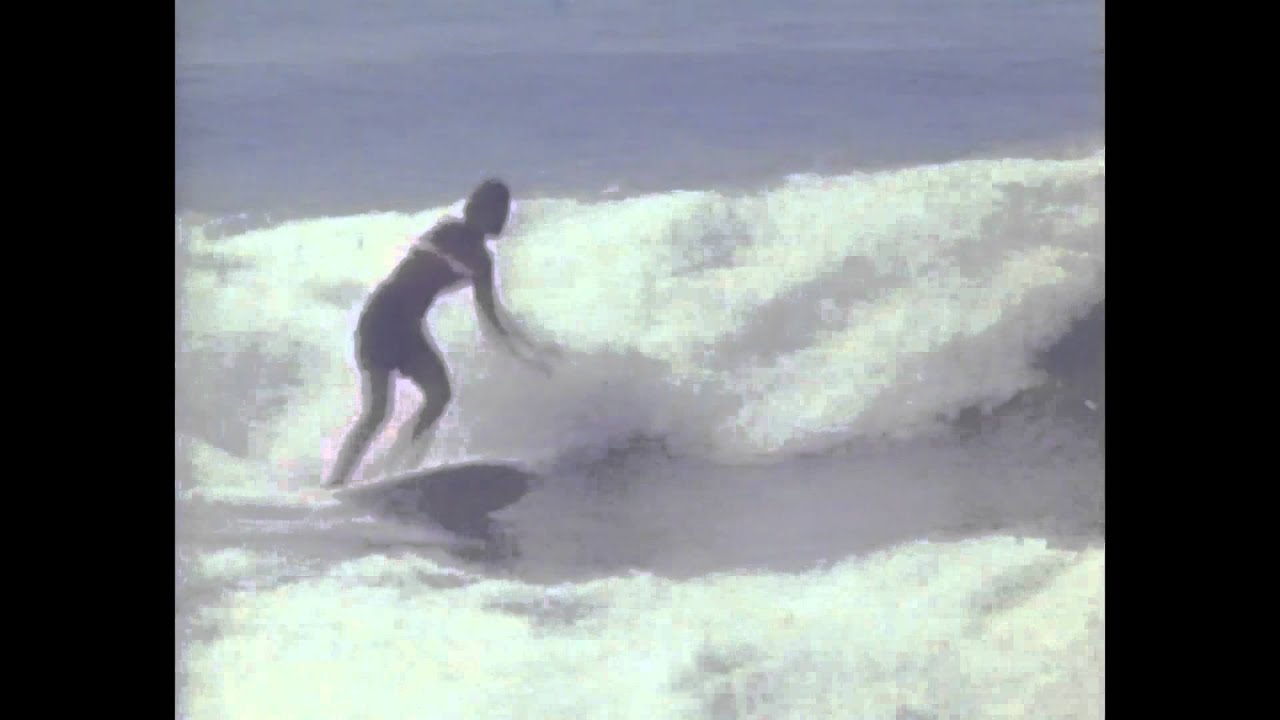
The story of “Surfin’ Safari” begins not on a California beach, but in a little league dugout. Brian Wilson had been helping a buddy coach youth baseball when he met the brother of his then-new girlfriend Judy Bowles — a surfer named Jimmy, who rattled off Southern California surf spots and terminology with the ease of someone who spent every waking hour in the water. The surf locations and surfing-related terms featured in the song were provided to Brian and Mike Love by surfer Jimmy Bowles, brother of Brian’s then-new flame Judy, who he had met one afternoon while helping a buddy coach little league. Wilson, who had a near-phobia of the ocean, went home with a head full of beach geography he’d never visited and wrote a song about it. Released on June 4, 1962, it peaked at number 14 on the Billboard Hot 100, launched the Beach Boys onto Capitol Records, and set in motion one of the most extraordinary careers in the history of American music.
Capitol A&R executive Nick Venet said of the release: “The biggest order Capitol had from a single market all year was from New York City — where there was no surfing. It sold approximately nine hundred thousand records, but not enough for a gold.” The geography of the song’s success was one of its great surprises. Sales of “Surfin’ Safari” first spiked in New York and the Midwest, rather than on the West Coast, with reports coming from spots like Phoenix, Arizona, where you couldn’t go surfing if you tried. The Billboard issue of July 14, 1962, cited Detroit as the major market of its national breakout. The Beach Boys had invented a California lifestyle for people who had never seen the Pacific. The B-side, “409,” also charted at number 76 — the band’s first double-sided hit.
The road to Capitol Records involved a gamble that could easily have ended everything. After the Beach Boys tasted initial success with “Surfin'” on the Candix label, Murry Wilson took a mortgage on his house and arranged recording sessions, arming the group with new material before taking the tapes around to several labels — all of whom passed. Murry then reached out to an old contact at Capitol, who connected him with 22-year-old A&R man Nick Venet. Venet told author William McKeen: “Before eight bars had spun around, I knew it was a hit record. I knew the song was going to change West Coast music.” Capitol offered $300 per song master plus 2.5% royalties — modest terms for a deal that would eventually generate hundreds of millions of dollars. Murry signed without hesitation.
The recording sessions themselves were not without drama. Brian arranged for legendary jazz drummer Gene Krupa to play the session, but Dennis Wilson stormed out of the studio when Krupa showed up. As the session continued, Krupa’s playing was not what they were looking for, and Dennis came back and played. There was also a personnel change nobody expected. Just as the band was signing with Capitol, founding member Al Jardine decided to leave the group, feeling they had little chance of success. His replacement was a 14-year-old guitarist named David Marks whose family lived across the street from the Wilsons. Marks later recalled: “When Brian sat down at the piano and played ‘Surfin’ Safari’ and said this is our next hit, I got chills.” The officially released version was recorded at Western Recorders on April 19, 1962 — with Brian on bass, Carl and Marks on guitar, Dennis on drums, and Mike Love on lead vocals. The song was inspired by Chuck Berry’s method of combining simple chord progressions with lyrical references to place names, as on “Back in the U.S.A.” and “Sweet Little Sixteen.”
Behind the scenes, a battle was brewing over which song should lead the single. Capitol Records originally felt “409” should be the A-side, and first promoted the car song instead of “Surfin’ Safari.” The argument between label and management over surf music versus hot rod music was essentially an argument about which fad would last longer — and both sides had reasonable grounds for their position. It was a Phoenix radio station that settled the debate, picking up the B-side and running it until audiences demanded more. By the time Capitol caught up, “Surfin’ Safari” was already breaking nationally. Venet later put the argument to rest definitively: “If it was ‘409’ I was interested in, why did I have the group take pictures at the ocean with a surfboard?”
At 19 years old, Brian Wilson was already doing something that no pop musician had done before. Brian took a leading role in directing the arrangements during the sessions, marking an early demonstration of his production instincts despite the official credit going to Capitol’s Nick Venet. Wilson negotiated with Capitol to record the band outside the label’s basement studios, which he deemed ill-suited for his group — and at Wilson’s insistence, Capitol permitted the Beach Boys to fund their own external sessions while retaining all rights to the recordings. It was the first indication that this particular songwriter was not going to be managed by a record label the way other artists were. A decade later he would lock himself in a recording studio for months and build Pet Sounds entirely on his own terms. The instinct was always there, from the very first session. “Surfin’ Safari” launched a five-year streak of 16 consecutive US top-40 hit singles — a run that remains one of the most remarkable in the history of popular music.
The song’s international journey carried its own peculiar footnote. In October 1962, “Surfin’ Safari” was the first Beach Boys single released in the UK — where it received mediocre reviews and made no chart impact whatsoever. Britain was not ready. Two years later, the British Invasion would send American artists scrambling to hold their ground as English bands dominated US radio. The Beach Boys were among the very few who survived it with their commercial standing intact — and that resilience was built entirely on the foundation of a song about surfing locations a teenager had learned from a stranger in a baseball dugout. In November 1962, “Surfin’ Safari” spent three weeks at number one in Sweden. In Australia it reached number seven. The California Sound, built from borrowed geography and Chuck Berry chord progressions, had become a global language before anyone had quite noticed it happening.
Brian Wilson — the boy who was afraid of the ocean — had written a surfing song using locations a stranger described to him, recorded it in a session that needed its own drummer to leave and come back, watched Capitol back the wrong side of the single, and still somehow launched one of the most important bands in the history of popular music. Venet’s verdict has aged well: “I knew the song was going to change West Coast music.” It changed rather more than that. Sometimes a little league game, a surfer’s brother, and a borrowed chord progression from Chuck Berry are all it takes to start something enormous.
SONG INFORMATION
Related videos
 Watch LaterAdded
 Watch LaterAdded
03:01
Watch LaterAdded
03:01  Watch LaterAdded