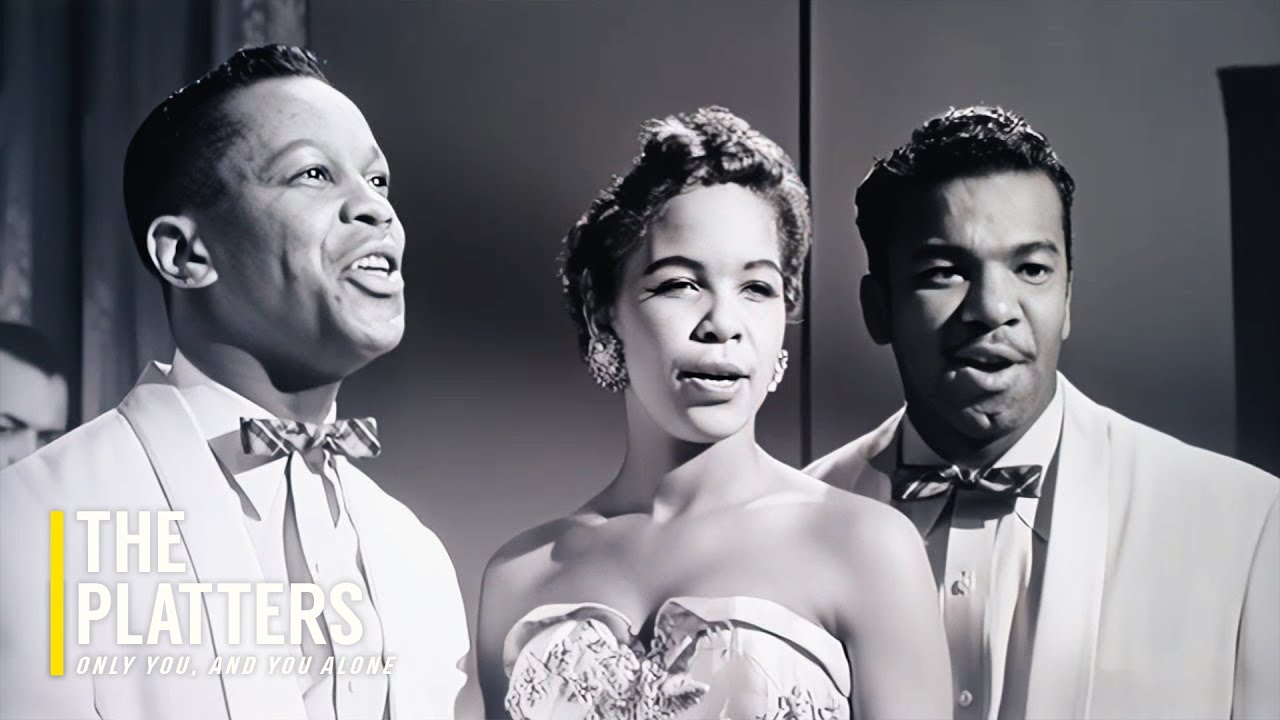
The Platters recorded “Only You (And You Alone)” for Federal Records in May 1954, and the label refused to release it. Everyone agreed it was terrible. A year later, after switching to Mercury Records and re-recording the song on April 26, 1955, the track became their breakthrough hit. Released in June 1955, it climbed to number five on the Billboard Hot 100 and dominated the R&B chart at number one for seven weeks. The song stayed on the charts for 30 weeks, outlasting a competing version by The Hilltoppers. In the UK, when “The Great Pretender” introduced Europe to The Platters in 1956, “Only You” appeared on the flipside, reaching number five and spending 16 weeks in the top 75.
The chart battle between The Platters and The Hilltoppers defined 1955. The Hilltoppers hit number eight in the US and number three in the UK with their smoother, more conventional arrangement. But The Platters won the war. Their rougher, rawer sound captured something The Hilltoppers couldn’t touch. Tony Williams’ high tenor carried an urgency that made the song feel immediate, necessary. The 30-week chart run proved audiences wanted emotion over polish, and Mercury Records had signed the right group.
Bass singer Herb Reed later explained how they finally cracked the song. The group had rehearsed it countless times without success. One afternoon, while rehearsing in a car, the vehicle suddenly jerked. Tony Williams responded instinctively, singing the opening line with an unexpected hiccup in his voice. The group laughed at first, but Williams had accidentally discovered the signature sound. That vocal quirk, heard at the start of the second and third verses, became the most distinctive element of the recording. Buck Ram, the group’s manager and songwriter, heard Williams’ voice break during rehearsal and made the crucial decision to keep it in the final version.
The recording session at Mercury marked the only time Ram personally played piano on a Platters track. He’d originally written the song under his pseudonym Ande Rand back in the 1940s, intending it for the Ink Spots. When Federal Records rejected The Platters’ first attempt in 1954, Ram shelved it. After the group signed with Mercury in 1955, Tony Williams and Jean Bennett convinced Ram to give the song another chance. The stripped-down production strategy proved brilliant. Where other doo-wop groups were moving toward orchestral arrangements, Ram kept everything minimal so Williams’ piercing tenor could dominate. Federal Records eventually released their original 1954 recording in November 1955 as a single with “You Made Me Cry” on the B-side, but it sold poorly.
The song appeared on The Platters’ self-titled debut album for Mercury in 1956, alongside their follow-up hit “The Great Pretender.” The album showcased the vocal chemistry between Williams, Herb Reed, David Lynch, Paul Robi, and Zola Taylor. This lineup would drive the group’s success through the late 1950s. “Only You” launched them from West Coast obscurity to national stardom, and Ram followed it with a string of updated standards like “My Prayer” and “Twilight Time” that became their trademark. The song also appeared in the 1956 film Rock Around the Clock, where The Platters performed both “Only You” and “The Great Pretender,” cementing their crossover appeal.
The song’s influence rippled across decades. Ringo Starr recorded a version in 1974 that hit number six on the Billboard chart, with John Lennon playing acoustic guitar and Harry Nilsson singing harmony. Franck Pourcel’s 1959 instrumental version sold over five million copies and reached number nine in the US. Travis Tritt, Reba McEntire, Brenda Lee, and The Statler Brothers all recorded country versions. The 1999 Grammy Hall of Fame induction recognized the Mercury recording’s lasting impact, and the song appeared in films from American Graffiti to Deadpool & Wolverine, spanning five decades of cinema.
Williams’ voice, described by British reviewers as unearthly, carried The Platters through their golden era until he left in 1959. The group never quite recovered from his departure, though Mercury refused to release new material for two years, instead mining vault recordings featuring Williams’ vocals. That car jerk in 1955 didn’t just save a song. It created the template for how The Platters would dominate the late 1950s, bridging the gap between doo-wop’s gospel roots and rock and roll’s commercial future.
SONG INFORMATION
Artist: The Platters
Song: “Only You (And You Alone)”
Album:The Platters
B-side: “Bark, Battle and Ball”
Released: June 1955
Recorded: April 26, 1955
Label: Mercury
Songwriter: Buck Ram (as Ande Rand)
Producer: Buck Ram
Chart Performance: No. 5 in US, No. 1 on US R&B chart (7 weeks), No. 5 in UK (as B-side to “The Great Pretender”)