





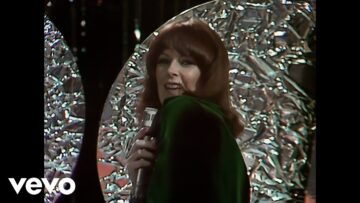

Bee Gees – Too Much Heaven
Barry Watched The Rough Cut And Pulled It From The Travolta Film Immediately
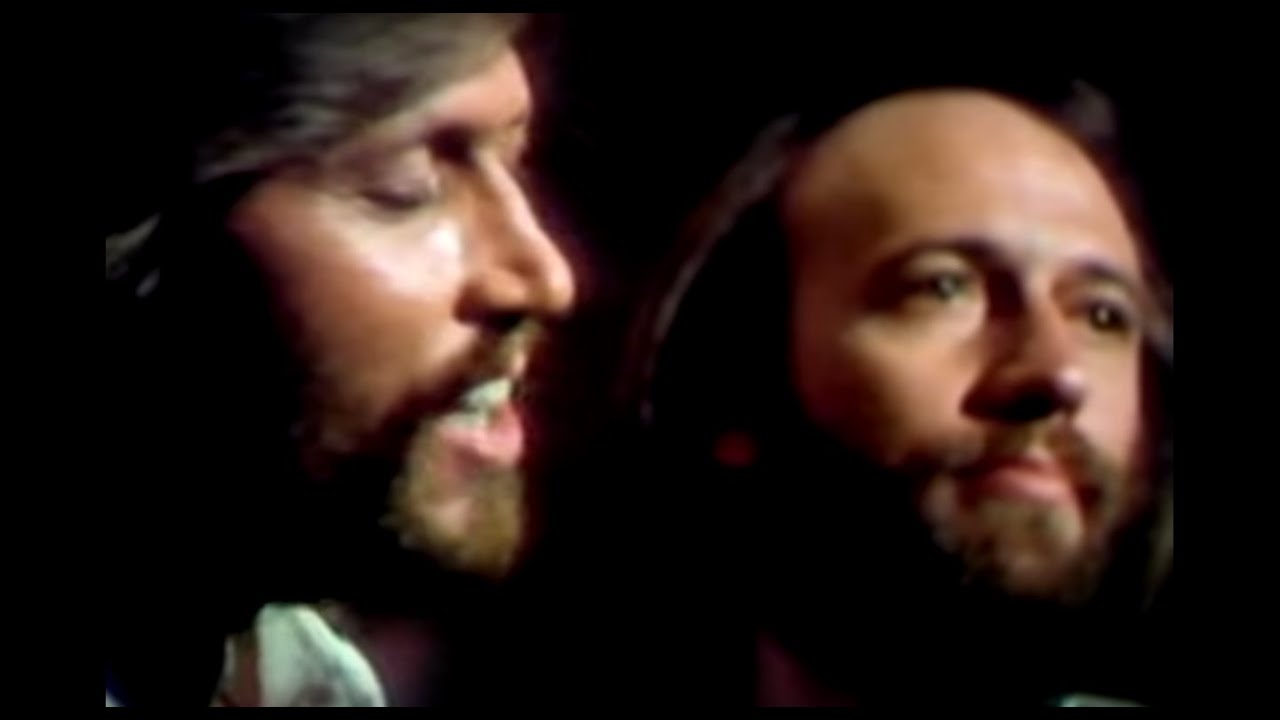
Released in November 1978, the Bee Gees’ “Too Much Heaven” began life as a throwaway intended for the John Travolta film Moment by Moment, but Barry Gibb watched a rough cut and thought it was awful, pulling the track before release. Nine months had passed since “Night Fever,” the longest gap between singles since 1975, and the brothers needed something special. What they created during an afternoon break from filming Sgt. Pepper’s Lonely Hearts Club Band became their fourth consecutive number one, topping both the US and Canadian charts in the first week of January 1979, just before the Music for UNICEF Concert on 9 January. The single reached number three in the UK, equaling the record set by Bing Crosby, Elvis Presley, and The Beatles for most consecutive number ones. It earned over seven million dollars in royalties, every penny donated to UNICEF to celebrate the International Year of the Child.
The chart battle with Chic’s “Le Freak” tells its own drama. “Too Much Heaven” knocked the disco juggernaut off number one for two weeks before “Le Freak” reclaimed the top spot, though Cash Box ranked “Too Much Heaven” at number two for six weeks straight between 30 December 1978 and 3 February 1979. The slow ballad marked a deliberate shift away from Saturday Night Fever’s uptempo disco. Barry later explained they wanted to move in a rhythm and blues direction while maintaining their lyric and melody power. Brian Wilson of The Beach Boys praised the harmonies achieved on the record, calling the brothers exceptionally good and a very heavy duty harmony group. By June, when follow-up “Tragedy” hit number one, the Bee Gees held the top two positions simultaneously with those singles, cementing 1979 as their second consecutive year of total chart dominance.
The brothers wrote “Too Much Heaven” alongside “Tragedy” during a single afternoon break from filming the disastrous Sgt. Pepper’s Lonely Hearts Club Band movie in 1978. That same evening they also wrote “Shadow Dancing” for youngest brother Andy Gibb, though the song was later credited to all four Gibbs. Robin reportedly said in a 2001 Billboard interview that “Too Much Heaven” was his favorite Bee Gees song. The lyrics emerged from their typical oblique approach, with lines like nobody gets too much heaven no more and you make my world a sunny day, are you just a dream to fade away that hint at depth without quite reaching it. The brothers announced the UNICEF donation at a United Nations press conference during summer 1978, pledging all publishing royalties from their next single. UN Secretary-General Kurt Waldheim called it an outstanding and generous initiative.
Recording took place at Criteria Studios in Miami during July 1978 alongside the rest of Spirits Having Flown, and this track required the longest recording process of any song on the album. The brothers built nine layers of three-part harmony, creating twenty-seven voices total, though the high falsetto voices remained most pronounced in the final mix. Maurice’s bass lines added velvety texture beneath the vocals while producers Albhy Galuten and Karl Richardson crafted lush orchestral arrangements that never overwhelmed the emotional vulnerability at the song’s heart. The Chicago horn section featuring James Pankow, Walt Parazaider, and Lee Loughnane played on the track, reciprocating after the Bee Gees appeared on Chicago’s “Little Miss Lovin’.” The demo version featured Barry’s count-in and lacked the full orchestral feel of the finished product. The final track lasted four minutes fifty-eight seconds, opening with the chorus and repeating it strategically throughout before closing with three repetitions.
“Too Much Heaven” became the lead single from Spirits Having Flown, released in January 1979, followed by “Tragedy” and “Love You Inside Out.” The album faced impossible expectations after Saturday Night Fever became 1978’s highest-selling record and spawned four number ones. Yet Spirits Having Flown defied predictions of spectacular failure, becoming another blockbuster that topped charts worldwide. The brothers had ruled 1978 with three number one hits plus three more they wrote for other artists, including Andy Gibb’s “Shadow Dancing,” Yvonne Elliman’s “If I Can’t Have You,” and Frankie Valli’s “Grease.” By year’s end though, American listeners had gotten too much Bee Gees, and their subsequent singles fizzled. They pivoted to writing for other artists, scoring massive hits including Kenny Rogers and Dolly Parton’s “Islands in the Stream” in 1983.
The White House ceremony provided an unlikely coda. President Jimmy Carter thanked the group personally for their UNICEF donation, and the brothers presented him with one of their black satin tour jackets. Carter admitted he was not a disco fan but knew enough about their music because his daughter Amy was a big fan. Paul McCartney recorded the song in December 2004 in Sussex as a tribute to Maurice Gibb following his death in 2003, though the recording was never released. Beverley Knight released a cover version in 2009 featuring backing vocals at Robin Gibb’s request after they’d collaborated live. Barry re-recorded it with Alison Krauss for his 2021 album Greenfields. The song entered the Grammy Hall of Fame in 2008. In later years, the brothers performed an acoustic version with only Barry’s guitar and keyboards, all three singing in their normal range, included on the Tales from the Brothers Gibb box set.
The song’s legacy lives in that impossible balancing act the Bee Gees somehow mastered during their peak years. They wrote it as disposable soundtrack filler, pulled it from a terrible movie, donated every penny to charity, and watched it become one of their most enduring ballads. Robin calling it his favorite suggests they recognized something special even amid their superhuman productivity. As Barry reflected decades later, they’d wanted to create something emotionally significant for UNICEF, not just financially valuable. The twenty-seven layered voices created an almost hymnal quality, lifting a simple love song into something that felt transcendent. Following Maurice’s death in 2003 and Robin’s in 2012, Barry’s solo performances gained renewed poignancy, his voice trembling with tears as he sang alone. The song’s emotional power only deepens with time, proof that sometimes giving everything away is how you keep it forever.
SONG INFORMATION
Related videos
 Watch LaterAdded
03:46
Watch LaterAdded
03:46  Watch LaterAdded
03:13
Watch LaterAdded
03:13  Watch LaterAdded
03:21
Watch LaterAdded
03:21