




![Madonna – Open Your Heart (Official Video) [HD]](https://musicvideosclub.com/wp-content/uploads/2026/01/madonna-open-your-heart-official-360x203.jpg)

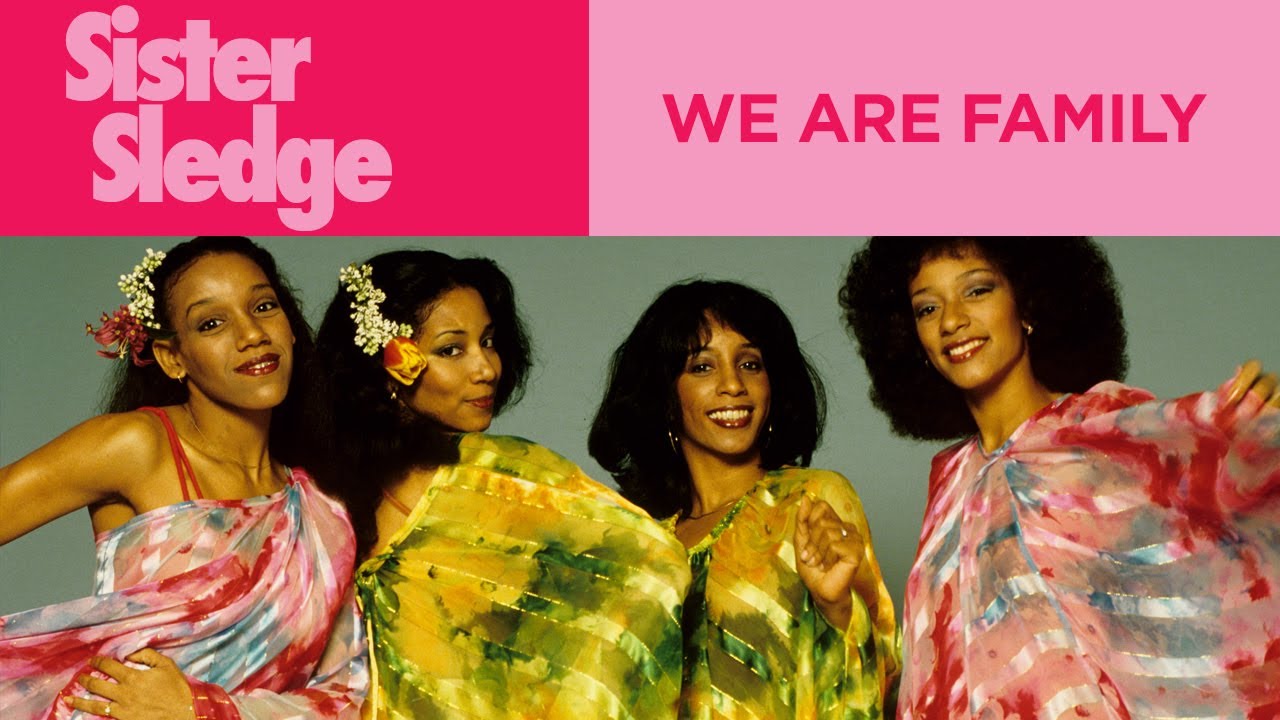
Sister Sledge – We Are Family
When Willie Stargell Picked Up The Phone During A Rain Delay And Made History
Released in April 1979, Sister Sledge’s “We Are Family” initially stalled on the pop charts despite success on dance and soul stations. Atlantic Records had actually declined to release it when Nile Rodgers and Bernard Edwards first offered it, but the label eventually relented. By late May the song sat at number four on the Billboard Hot 100, struggling to climb higher. Then on June 1, rain pounded the artificial turf at Three Rivers Stadium in Pittsburgh, delaying the Pirates game against San Diego. While the team waited in the dugout, stadium speakers played the biggest hits of the moment. Willie Stargell, the 38-year-old slugger sitting near the dugout phones, grabbed the press box line and told PR director Joe Safety he wanted an announcement made immediately declaring this the official Pirates clubhouse song. The song rocketed to number two behind Donna Summer’s “Hot Stuff” two weeks later, eventually going gold and selling over two million copies worldwide.
The Pittsburgh connection transformed everything about the song’s trajectory. That rain-delayed game ended with the Pirates mounting a ninth-inning comeback to beat the Padres nine to eight, with Dave Parker hitting a game-tying three-run homer and Stargell scoring the winning run on a bases-loaded walk. The Pirates went on a 61-30 tear over the final three months, displacing “Take Me Out to the Ballgame” during seventh-inning stretches with “We Are Family.” Fans filled Three Rivers Stadium with homemade signs, T-shirts spelling it “Fam-A-Lee,” and by October the team had won the World Series, coming from behind three games to one against Baltimore. Stargell became the only player ever to win the regular season MVP, NLCS MVP, and World Series MVP in a single year. The song spent nineteen weeks on the Hot 100, reached number one on the R&B chart and Dance Club Songs chart, and earned induction into the Grammy Hall of Fame in 2008.
Rodgers and Edwards wrote the song after Atlantic Records president Jerry Greenberg asked them to produce for other acts following Chic’s breakthrough “Dance, Dance, Dance (Yowsah, Yowsah, Yowsah).” The pair didn’t feel confident working with established artists like The Rolling Stones or Bette Midler, worried they wouldn’t get proper credit. They asked Greenberg to let them work with his least established act, reasoning that a hit would prove their abilities. Greenberg described Sister Sledge in a single meeting, and Rodgers later recalled he and Edwards walked immediately to the studio, rearranged their notes into lyrics, and wrote the melody underneath. The verses came almost verbatim from how Greenberg explained the four sisters. The chorus referenced the literal fact that they were family, hoping to reintroduce them to mainstream audiences after two unsuccessful albums that had lost money for Cotillion Records. What began as a commercial strategy became an expression of solidarity that resonated far beyond its original intent.
Recording took place at Power Station Studios in New York during late 1978 for the We Are Family album sessions. Edwards and Rodgers wouldn’t show Sister Sledge the songs until the sisters stood in front of studio microphones. Nineteen-year-old Kathy Sledge recorded the lead vocals in a single take, her voice soaring over the heavy bass, funky guitar, and pulsating percussion that defined the Chic sound. Bernard Edwards on bass, Nile Rodgers on guitar, and Tony Thompson on drums provided the instrumental foundation, creating what Rodgers later called the best album The Chic Organization produced pound for pound, including their own work. The track lasted three minutes thirty-six seconds and featured the sisters’ infectious harmony vocals lifting the chorus into something transcendent. Edwards and Rodgers employed the same meticulous production approach they’d used on Chic’s records, but allowed Sister Sledge’s personalities to shine through in ways that felt both polished and genuine.
“We Are Family” served as the title track and second single from the album released in January 1979, following “He’s the Greatest Dancer” which had reached the top ten and given the group their first major hit. The album peaked at number three on the Billboard 200 and number one on the Top R&B Albums chart, becoming their most commercially successful release. Along with “Lost in Music” and “Thinking of You,” the record spawned four hits that have been sampled, remixed, and reissued repeatedly since 1979. NME named it among the 500 greatest albums of all time in 2013. The song was remixed and rereleased in 1984, reaching number 33 in the UK, and again in 1993 when it returned to the UK top ten. Library of Congress selected it for preservation in the National Recording Registry in 2017 as culturally, historically, and aesthetically significant.
The covers and cultural impact spread across five decades. Babes in Toyland’s rock-oriented version peaked at number 22 on the Billboard Hot Dance Music chart in 1995. The Birdcage featured it repeatedly in 1996, with Robin Williams, Nathan Lane, and the entire cast singing and dancing to it. Rodgers organized a 2001 re-recording as a September 11 benefit record, leading to creation of the We Are Family Foundation, a global charity he co-founded. A 2002 version featuring SpongeBob SquarePants, Barney, and other children’s TV characters became controversial when evangelical groups attacked it, claiming SpongeBob promoted homosexuality. VH1 ranked it number three on their 100 Greatest Dance Songs list in 2000. Rolling Stone placed it at number 34 in their 200 Greatest Dance Songs of All Time in 2022. Forbes ranked it number 11 in their 30 Greatest Disco Songs list in 2024. Sister Sledge performed at Three Rivers Stadium’s final game in 2000, singing the national anthem for the team that had made their song immortal.
Looking back, the song’s journey from declined release to cultural touchstone captured disco’s contradictory position in 1979. Three months after its release, on July 12, a Chicago DJ named Steve Dahl detonated a crate loaded with forty thousand disco records at Comiskey Park between games of a White Sox doubleheader. Thousands stormed the field, damaged it beyond repair, forced cancellation of the second game, and sparked riots that served as violent punctuation to the “Disco Sucks” movement. Yet “We Are Family” endured precisely because it meant something deeper than the genre wars. Women’s groups, cheerleaders, and especially gay men claimed it as their own. As Rodgers noted decades later, New York’s gay clubs had broken Chic, and songs like this paid back that debt. Sister Sledge collectively sold over fifty million records worldwide, but this single defined them. The Pirates have appeared in the postseason just six times since 1979, reaching beyond the first round only once. Yet the song remains their identity, proof that sometimes a 39-minute rain delay and one phone call can change everything.
SONG INFORMATION
”
Related videos
 Watch LaterAdded
05:55
Watch LaterAdded
05:55  Watch LaterAdded
 Watch LaterAdded
04:06
Watch LaterAdded
04:06