










Brigitte Bardot et Serge Gainsbourg – Bonnie and Clyde
Written Overnight To Save A Disastrous First Date
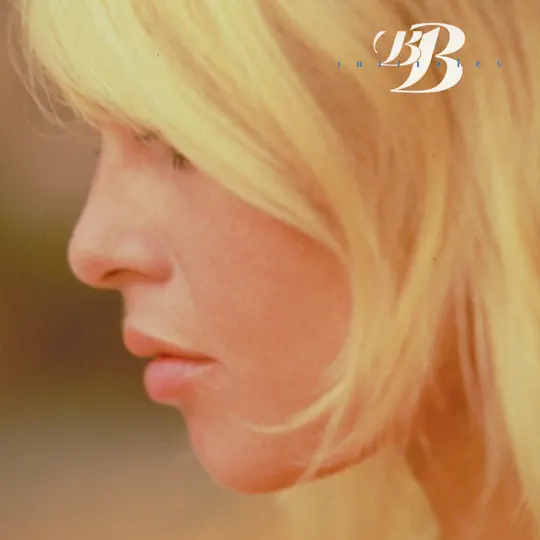
Released as a single in early 1968 and premiered on French television’s Le Bardot Show on January 1, “Bonnie and Clyde” became one of the most iconic duets in French pop history, immortalizing the torrid affair between Brigitte Bardot and Serge Gainsbourg. The song appeared on two albums that year—Gainsbourg’s Initials B.B. and the compilation Bonnie and Clyde, released by Fontana Records on January 2, 1968. While the track never dominated international charts the way later Gainsbourg compositions would, it became a cultural touchstone across Europe and established the template for the provocative, cinematic pop duets that would define French music for decades. The backstory was even more dramatic than the song itself. After a disastrous first date in 1967 where Gainsbourg lost his nerve in Bardot’s presence, she challenged him to write her the most beautiful love song ever heard as an apology. He returned the next morning with two songs—this outlaw ballad and the scandalous “Je t’aime… moi non plus.”
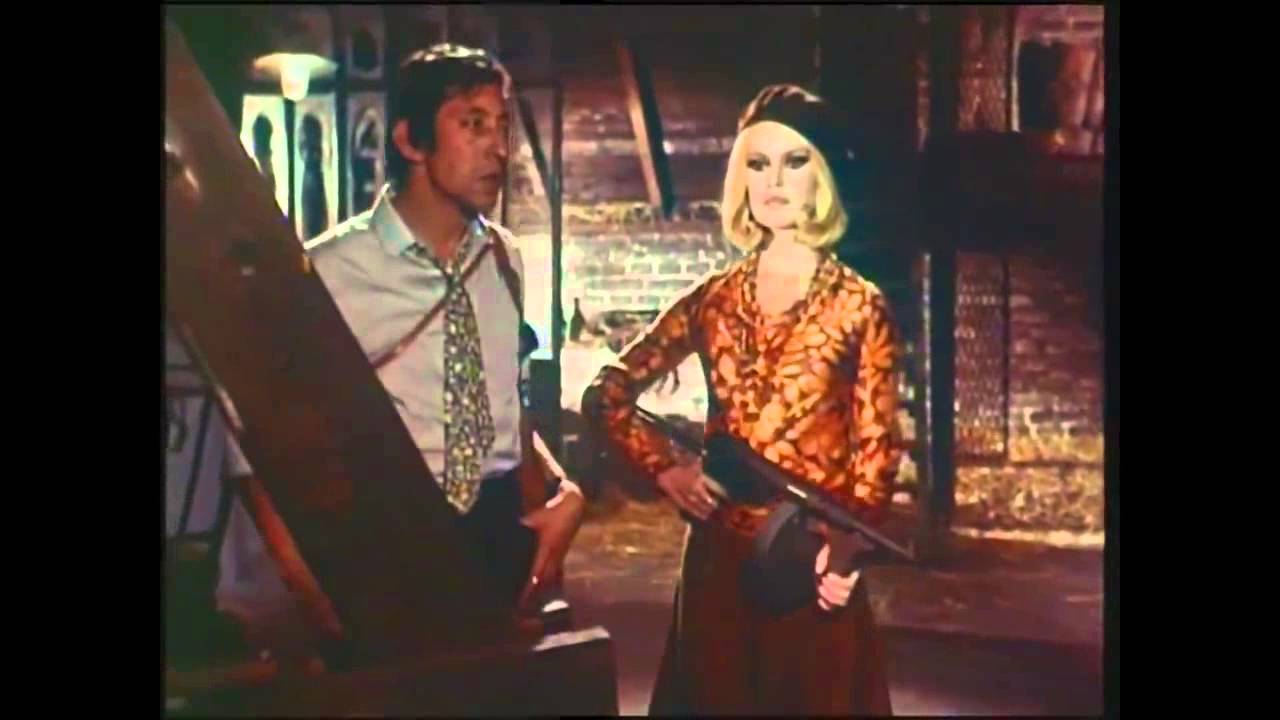
While “Bonnie and Clyde” achieved moderate chart success in France and Belgium, its impact transcended sales figures. The song’s minimalist production and hypnotic rhythm influenced a generation of French pop artists and European filmmakers who adopted Gainsbourg’s aesthetic of blending American mythology with French surrealism. Spin magazine included the Bonnie and Clyde album on their Top 100 Alternative Albums of the 1960s list in 2013, recognizing its role in shaping indie and alternative sensibilities decades later. The television performance on New Year’s Day 1968 became legendary—Bardot and Gainsbourg dressed in full period costume, wielding prop weapons while performing their sultry duet. The segment topped newspaper headlines and television coverage for weeks, cementing their status as France’s most scandalous couple. Their relationship would last barely a year, but the music they created together defined an era.
The song’s creation reads like a romantic thriller. In 1967, Bardot arranged to meet Gainsbourg during a turbulent period in her marriage to German businessman Gunter Sachs. Gainsbourg had been infatuated with the French sex symbol for years, but when they finally met, he completely lost his composure. His usual charm and charisma evaporated in the face of her striking beauty. The date was a disaster. Bardot left disappointed, while Gainsbourg left furious at himself. Rather than accept defeat, Gainsbourg spent the entire night at his piano, determined to earn a second chance. By morning he’d composed two complete songs. Bardot was stunned when he played them for her. The apology worked spectacularly—the two embarked on a fierce, passionate affair that scandalized French society and inspired some of Gainsbourg’s most daring work. He drew inspiration from Bonnie Parker’s poem about her life with Clyde Barrow, transforming American gangster mythology into a French pop meditation on doomed romance.
Recording sessions took place in December 1967 at Studio Hoche in Paris during the same sessions that produced “Je t’aime… moi non plus.” Producer and arranger Michel Colombier created the spare, atmospheric backing track that became the song’s signature sound. Rather than overwhelming Bardot and Gainsbourg’s vocals with lush orchestration, Colombier built the arrangement around minimal percussion, subtle strings, and a hypnotic bass line that evoked both film noir and Western soundtracks. Francis Miannay engineered the sessions, capturing Bardot’s breathy vocals and Gainsbourg’s spoken-word delivery with remarkable intimacy. The recording technique was revolutionary for French pop—close-miked vocals mixed prominently over stripped-down instrumentation, creating an almost cinematic quality. Gainsbourg’s lyrics alternated between Bardot and himself as they narrated the final days of the famous outlaws, with each verse building tension toward the inevitable violent conclusion. The song ran just over four minutes, unusually long for French pop radio in 1968.
The Bonnie and Clyde compilation album arrived on January 2, 1968, via Fontana Records as part of the Mercury France catalog. The twelve-track collection combined the new title song with earlier Bardot recordings arranged and often written by Gainsbourg between 1962 and 1967, including “Harley Davidson,” “Comic Strip,” “Un jour comme un autre,” and “Contact.” Only the title track was newly recorded specifically for this release. Other tracks were drawn from various Bardot albums including the soundtrack to L’eau à la bouche from 1960 and sessions from Gainsbourg’s work as Bardot’s primary songwriter and arranger during the mid-1960s. Gainsbourg wrote liner notes for the album explaining that these twelve songs were love songs—combat love, passionate love, physical love, fictional love. Amoral or immoral, he noted, they were all absolutely sincere. The album showcased the evolution of their creative partnership from conventional French pop toward the provocative, boundary-pushing sound that would define Gainsbourg’s late 1960s work.
American alternative rock band Luna covered the song for their 1995 album Penthouse, featuring vocals from Stereolab’s Lætitia Sadier, introducing the track to indie rock audiences. Gainsbourg’s son Lulu Gainsbourg recorded a version with Scarlett Johansson for his 2011 tribute album From Gainsbourg to Lulu, with Johansson’s breathy vocals channeling Bardot’s iconic performance. Los Angeles duo Freedom Fry covered it for their 2012 EP Outlaws, while alt-country band The Walkabouts included their interpretation as a bonus track on their 1999 album Trail of Stars. The song has been featured in numerous films and television shows, always deployed to evoke doomed romance and 1960s French cool. DJ and producer sets frequently sample the distinctive bass line and Colombier’s sparse arrangement, proving the track’s enduring influence on electronic and indie music decades after its release.
Bardot and Gainsbourg’s affair burned out by late 1968, with both moving on to other relationships. Gainsbourg would famously re-record “Je t’aime… moi non plus” with British actress Jane Birkin in 1969, creating his biggest international scandal when the Vatican condemned the explicitly sexual recording. Bardot continued her film career until retiring in 1973, while Gainsbourg became France’s most celebrated and controversial songwriter, working with everyone from Birkin to daughter Charlotte Gainsbourg before his death in 1991. Bardot, who passed away December 28, 2025, at age 91, spent her final decades as an animal rights activist, largely distancing herself from her cinematic past. “Bonnie and Clyde” remains the defining document of their brief but explosive creative partnership, a moment when France’s biggest sex symbol and its most daring composer collided to create something that transcended both of their previous work. As Gainsbourg wrote in his album notes, these songs were love in all its forms—combat, passion, physicality, fiction—captured with absolute sincerity in the final months of a decade that was rapidly burning itself out.
SONG INFORMATION