The sunniest record of 1966 was written in the 48 hours after a president was shot and the songwriter’s brother was stabbed to death.
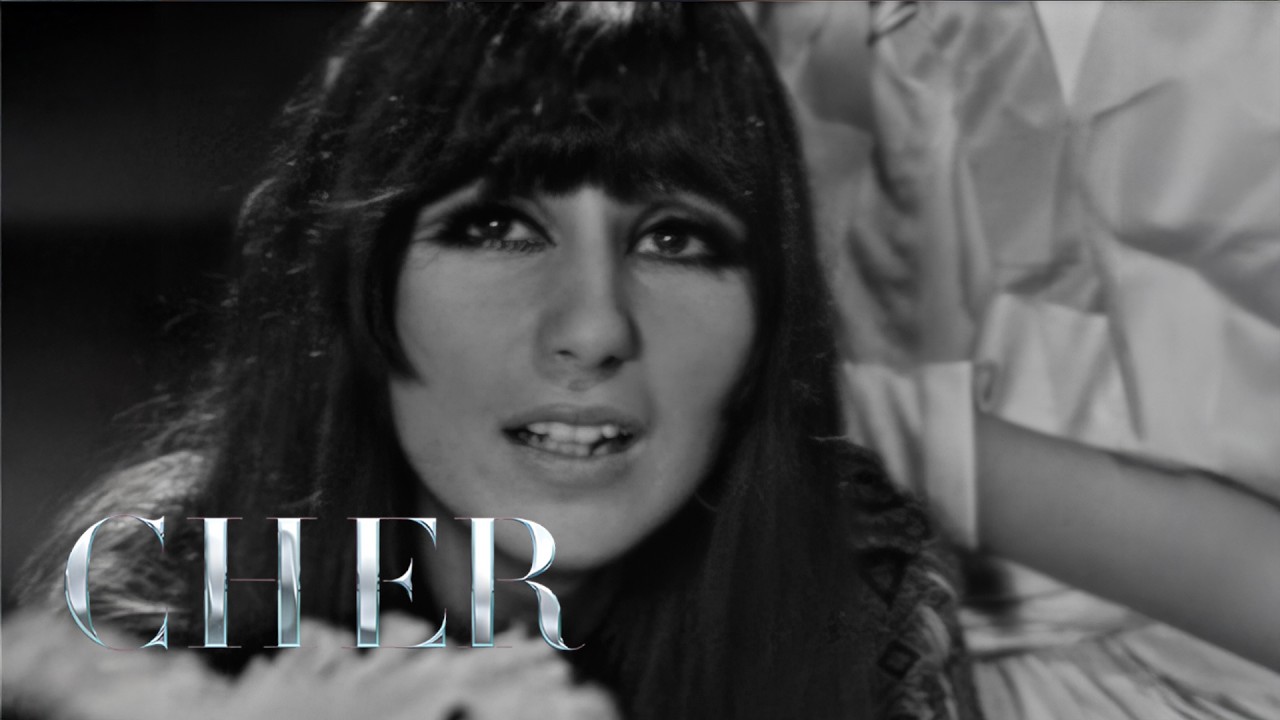
On September 21, 1966, a twenty-year-old Cher sang Sunny for French television, on a program called Tilt magazine, five days after Imperial had put her version out as a single. She was three years into a recording career and most of what she had released so far belonged to somebody else — Dylan, Donovan, Bacharach, Carole King. This one belonged to a man in Nashville who had written it in the two days after his brother was killed.
Bobby Hebb grew up in a Nashville house where both parents were blind musicians, and he had been performing since he was three years old, in a song-and-dance act with his older brother Harold. Roy Acuff hired him for the Grand Ole Opry before he was a teenager, making him one of the first Black performers to appear on that stage. On November 22, 1963, John F. Kennedy was shot in Dallas. The next day, Harold Hebb was stabbed to death in a knife fight outside a Nashville nightclub. Bobby wrote Sunny inside the following 48 hours.
He spent the rest of his life declining to let people make that neat. Critics heard an elegy; Hebb said he had simply been expressing a preference for a sunny disposition over a lousy one, and that he was looking for a brighter day because times were at a low tide. Both things are visible in the record. The melody is major and unhurried and the chord movement keeps sliding upward, and underneath it there is a man who has decided that the alternative is unlivable.
Six weeks that put the song everywhere
Philips released Hebb’s recording in June 1966, cut at Bell Sound in New York with Jerry Ross producing, and it climbed to No.2 on the Hot 100 in late August, held off the top by the Lovin’ Spoonful’s Summer in the City. It reached No.3 on the R&B chart and No.12 in Britain. Between August 12 and 29 Hebb opened for the Beatles on the final tour they ever played, which meant that for three weeks in 1966 the song was being performed nightly in American stadiums by the man who wrote it.
Cher recorded her version at Gold Star in Hollywood with Sonny Bono producing and Harold Battiste writing and conducting the arrangements. It opens Chér, her third album, released September 5, 1966, and one of the most straightforwardly borrowed records of the decade: Dylan’s I Want You, Donovan’s Catch the Wind, Paul Simon’s Homeward Bound, Bacharach and David’s Alfie, Buffy Sainte-Marie, Carole King and Gerry Goffin. Only one song on it was written by Bono. The album reached No.59 on the Billboard 200, which made it the least successful of her first three, and the single went out on September 16.
Five days after that she was in a French television studio. France was a real market for her in a way America’s chart positions do not capture, and the Imperial albums leaned deliberately toward European taste. The performance survives because somebody kept the tape, and it has now outlived the program, the label and the marriage that produced it.
What it documents is the thing Cher turned out to be better at than almost anyone: taking a song that already belongs to somebody else and making it sound like information she is delivering personally. That skill is why she was still having No.1 records thirty-three years later with material she did not write. The earliest clear evidence of it is a twenty-year-old on French television in 1966, singing a stranger’s grief as though it were a nice afternoon.
SONG INFORMATION
Artist: Cher
Song: “Sunny”
Album:Chér
Released: September 16, 1966 (single); album September 5, 1966
Recorded: 1966
Studio: Gold Star Studios, Hollywood, California
Label: Imperial
Songwriter(s): Bobby Hebb
Producer(s): Sonny Bono
Arranger: Harold Battiste
Length: 3:11
Original Release: Bobby Hebb, June 1966, Philips, produced by Jerry Ross
Original Chart Performance: No.2 Billboard Hot 100, No.3 R&B, No.12 UK
Performance: Tilt magazine, French television, September 21, 1966