










Lulu & The Luvvers – Shout
The voice that made Lulu famous at fifteen was recorded at fourteen, and Decca kept it waiting.
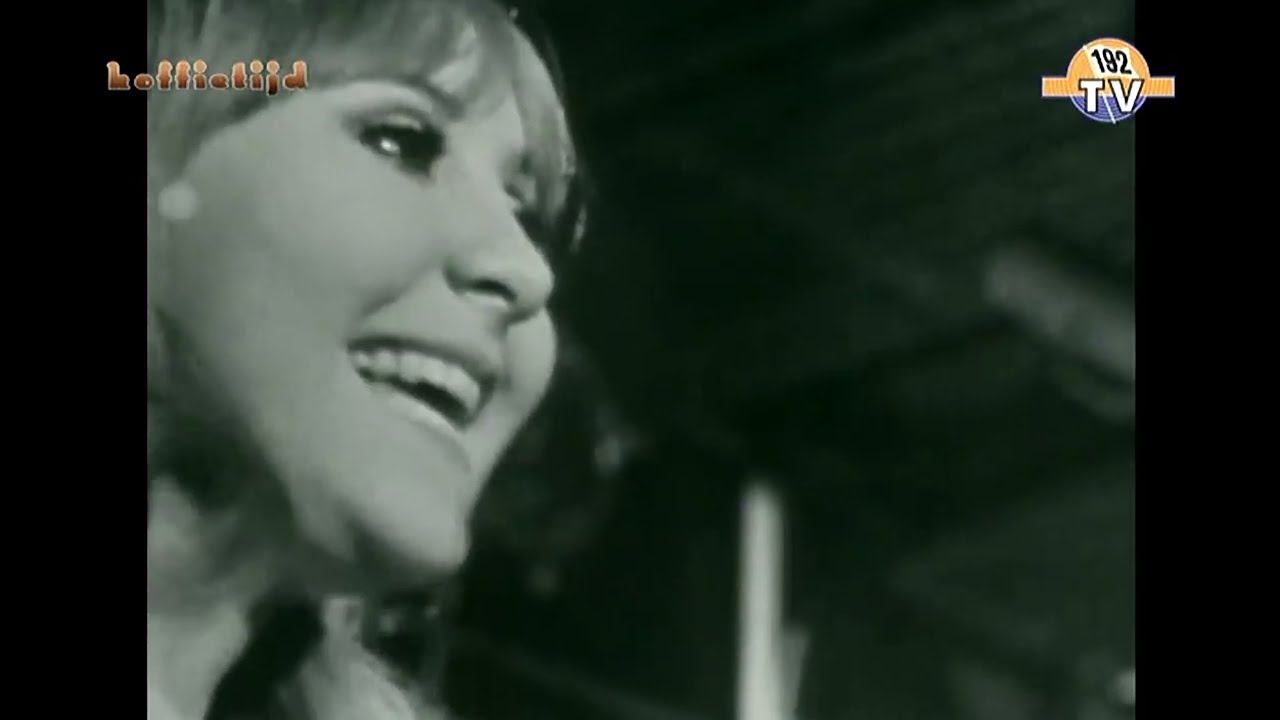
Every press profile in the spring of 1964 gave Lulu’s age as fifteen, and every one of them was right. The voice on Shout belonged to a fourteen-year-old. Decca Records issued the single on April 17, 1964, credited to Lulu and the Luvvers, and by Lulu’s own recollection she had cut it before her birthday the previous fall, while still a schoolgirl in Glasgow. A 2011 BBC documentary went further, reporting that the finished record was held back until after she turned fifteen on November 3, 1963, to stay clear of child-labor rules. That delay explains the arithmetic. It does not explain how a record that sat waiting for months came out sounding as if it could not wait another second.
Keep watching: Lulu – To Sir with Love · explore more →
The song was hers long before it was Decca’s. Lulu has said she found Shout a year ahead of the session and was already belting it on stage with the Gleneagles, the Glasgow R&B band she sang with in the clubs. Marion Massey took over as manager, renamed the singer Lulu, reportedly because she was “a real lulu of a kid,” and rechristened the band the Luvvers. Early British pressings spelled it Luvers. The Isley Brothers had written and recorded the song for RCA Victor in 1959, a gospel call-and-response stretched across both sides of a single. It stalled at No.47 on the Billboard Hot 100, Joey Dee and the Starliters took it to No.6 in 1962, and the Isleys’ original had made no impression on the British chart at all. In Britain the song was open ground.
Decca handed the session to staff producer Peter Sullivan, with Earl Guest arranging and directing. The credits Universal Music carries for the recording name the Luvvers themselves: Ross Neilson and Jim Dewar on guitars, Tommy Tierney on bass, David Mullin on drums and Jimmy Smith on saxophone. They had company. Big Jim Sullivan, the session guitarist heard on more than a thousand British Top 20 singles, counted Shout among his records, and his 2012 obituaries named it. Universal’s list leaves him off. Both accounts can hold for a London session in 1964, when label producers routinely brought in seasoned players alongside a band, and no surviving session sheet settles which part is whose. What nobody in the room needed to supply was the singer. Sullivan remembered a teenager screaming and shouting with a control that startled a man who had heard everyone.
Record of the week
The single, backed with Forget Me Baby, entered the British chart on May 14, 1964. Then came an endorsement no promotion budget could buy. On Ready Steady Go!, presenter Cathy McGowan asked John Lennon and Paul McCartney to choose their favorite new release of the week, and Lulu has recalled that both named Shout. She was still living with her family in Glasgow when it happened. The choice carried a family resemblance, since the Beatles had closed their debut album the year before with the Isleys’ Twist and Shout. The record climbed to No.7, and a club singer from Dennistoun became a national name inside a single season.
America was slower. Parrot Records issued the single in June 1964 under the name Lulu and the Luvers, and it stopped at No.94 on the Hot 100. At home, the follow-ups struggled to match it. Her late-1964 single, Bert Berns’ Here Comes the Night, peaked at No.50, and Them took the same song to No.2 the following year. Leave a Little Love returned her to the Top 10 in 1965. By early 1966 Lulu had gone solo and the Luvvers had disbanded, Jim Dewar eventually resurfacing as bassist and singer for Robin Trower.
The song she never put down
Lulu never escaped Shout, and she stopped trying. She re-recorded it in 1986 and took it back to No.8, twenty-two years after the original peaked one place higher. In 2014 she sang it at the closing ceremony of the Commonwealth Games in Glasgow, a few miles from the clubs where she first tested it on a crowd. The record has outlasted every fashion it arrived in because of the gap the calendar hides. The voice was captured before Decca would put it on sale, and it already sounded like it knew exactly what it was doing. She was fifteen on the label and fourteen on the tape, and the tape is the one that mattered.
SONG INFORMATION
Enjoyed this one? New forgotten gems every day — tap Music Videos Club below to visit and follow us on Facebook: