





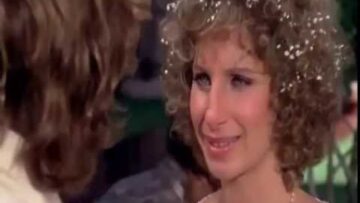
Elton John – Sacrifice
A Failed Single, a Future Film Director, and the Most Quietly Devastating Music Video of 1989
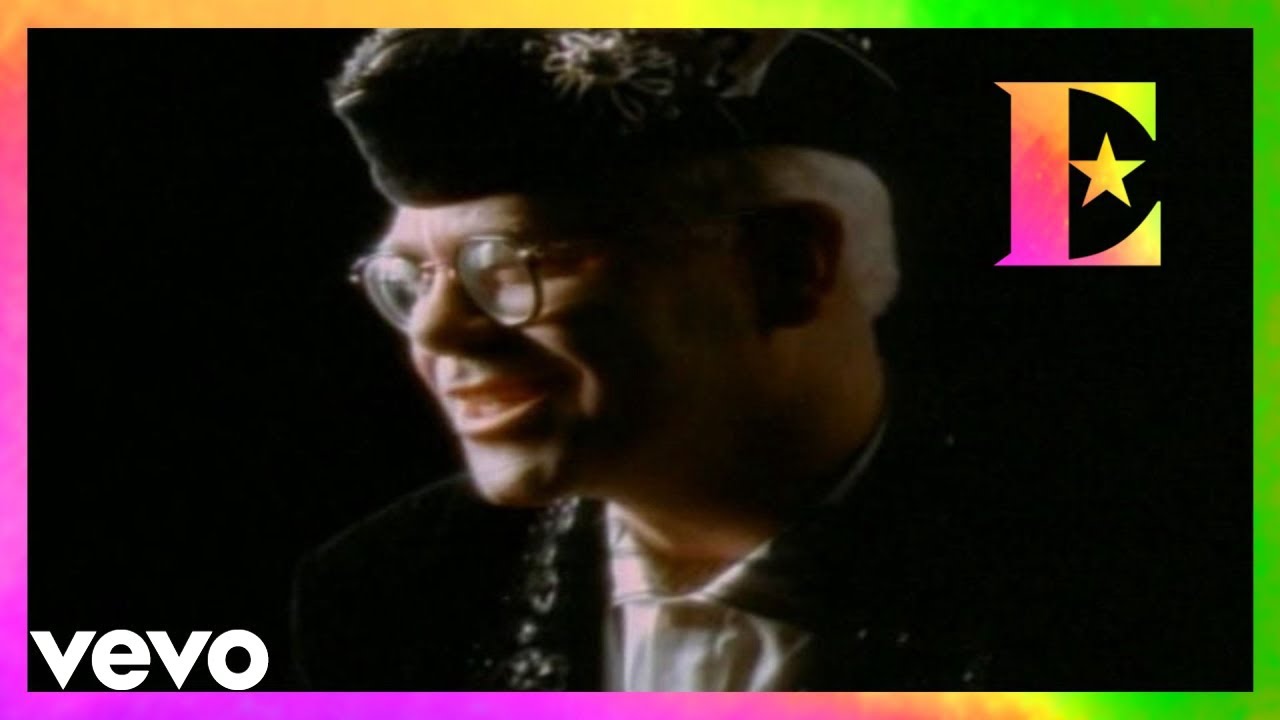
When the music video for “Sacrifice” arrived in late 1989, it was working against the odds from the start. The song it accompanied had just stalled at number 55 on the UK Singles Chart — a dispiriting chart position for one of the world’s biggest recording stars. The video sat there, largely unseen, waiting for a hit that hadn’t happened yet. And yet, looking at it now, you’d never guess it was made in the service of a flop. Directed by Alek Keshishian — just two years before he would define the very concept of celebrity access with Madonna’s Truth or Dare — it is a piece of visual storytelling that takes the song’s ache completely seriously, and earns every frame.
It was Elton John’s own position in the charts that made the video’s eventual triumph so remarkable. When “Sacrifice” was re-released in June 1990 as a double A-side with “Healing Hands,” BBC Radio 1 DJ Steve Wright had already spent weeks hammering it on his afternoon show — and the rest of the dial followed. The single climbed to number one in the UK and stayed there for five weeks. The significance wasn’t lost on anyone: despite a career stretching back to the early 1970s, this was Elton John’s first ever solo number one in his home country. His only previous UK chart-topper had been “Don’t Go Breaking My Heart,” a duet with Kiki Dee — fourteen years earlier. The re-release also made him a number one artist in France, where the song spent an extraordinary 26 weeks on the chart.
Keshishian’s video centres on a marriage in slow collapse. Chris Isaak — then best known as a brooding, rockabilly-influenced singer-songwriter rather than an actor — plays the husband. Supermodel Yasmeen Ghauri plays his wife. Together they raise a daughter, drift apart, and ultimately separate, with Isaak’s character left to raise the child alone. For 1989, that final detail was quietly subversive: pop videos simply didn’t end with a father as the sole parent, navigating grief and domesticity. The video treats this without fanfare, which makes it land harder. Keshishian cuts between their unravelling story and footage of Elton John performing against a stark black background — understated, close, almost confessional — and the contrast between the two worlds deepens both of them.
The song itself came from a deliberate act of musical archaeology. Producer Chris Thomas helped Bernie Taupin and Elton John isolate exactly what they wanted: a white-soul record rooted in the great 1960s R&B records they’d both grown up loving. Taupin has said he was thinking specifically of Aretha Franklin’s “Do Right Woman, Do Right Man” when he wrote the lyric — a song about what fidelity actually costs, and what it means. The result, in Taupin’s own words before the single’s release, was “a simple lyric, but an intelligent adult lyric… a million miles away from ‘Your Song.'” He predicted it would be a big, big hit. He was right, just not immediately.
The recording took place at Puk Studios in Gjerlev, Denmark, during the winter of 1988 — the same remote rural studio where George Michael had tracked Faith the year before. Under Chris Thomas’s direction, Elton laid down his vocals and Roland digital piano parts with a directness that matches Keshishian’s visual approach: nothing decorative, nothing wasted. The band included Davey Johnstone on guitar, Jonathan Moffett on drums, Romeo Williams on bass, and keyboards shared between Fred Mandel and Guy Babylon. Both Taupin and Thomas have since cited “Sacrifice” as one of the finest things they ever made together.
Sleeping with the Past had received lukewarm reviews on its September 1989 release, peaking at number six in the UK before slipping back. The success of the re-released single rewrote that story completely — propelling the album to number one on the UK Albums Chart, Elton’s first chart-topping LP since 1977. It became his best-selling studio album of the 1980s and was certified three times platinum in the UK. The timing was bittersweet: Elton entered rehab in 1990, in the thick of the song’s triumph, and has spoken honestly about what that period cost him personally. That he made music this emotionally clear during some of his most turbulent years says something about the resilience of his gift.
The song’s reach has only lengthened since. In 2021, Elton sampled its melody for “Cold Heart (PNAU Remix)” with Dua Lipa — a chart-topping hit in its own right that reintroduced “Sacrifice” to an entirely new generation. Neil Tennant of the Pet Shop Boys famously took issue with Elton’s habit of stretching “Sacrifice” into four syllables; it became a minor musical debate in itself. But the video’s quiet integrity has never been in dispute. Keshishian found exactly the right register for the song: nothing sensational, nothing easy, just the ordinary weight of a relationship ending. As a piece of early work from a director who would go on to reshape how the world thought about fame and intimacy, it remains a small, essential thing — proof that in 1989, someone was paying close attention to what this song was actually about.
SONG INFORMATION
Related videos
 Watch LaterAdded
04:19
Watch LaterAdded
04:19  Watch LaterAdded
 Watch LaterAdded