





Janis Joplin – Piece of My Heart
When Jack Casady Brought The Perfect Song
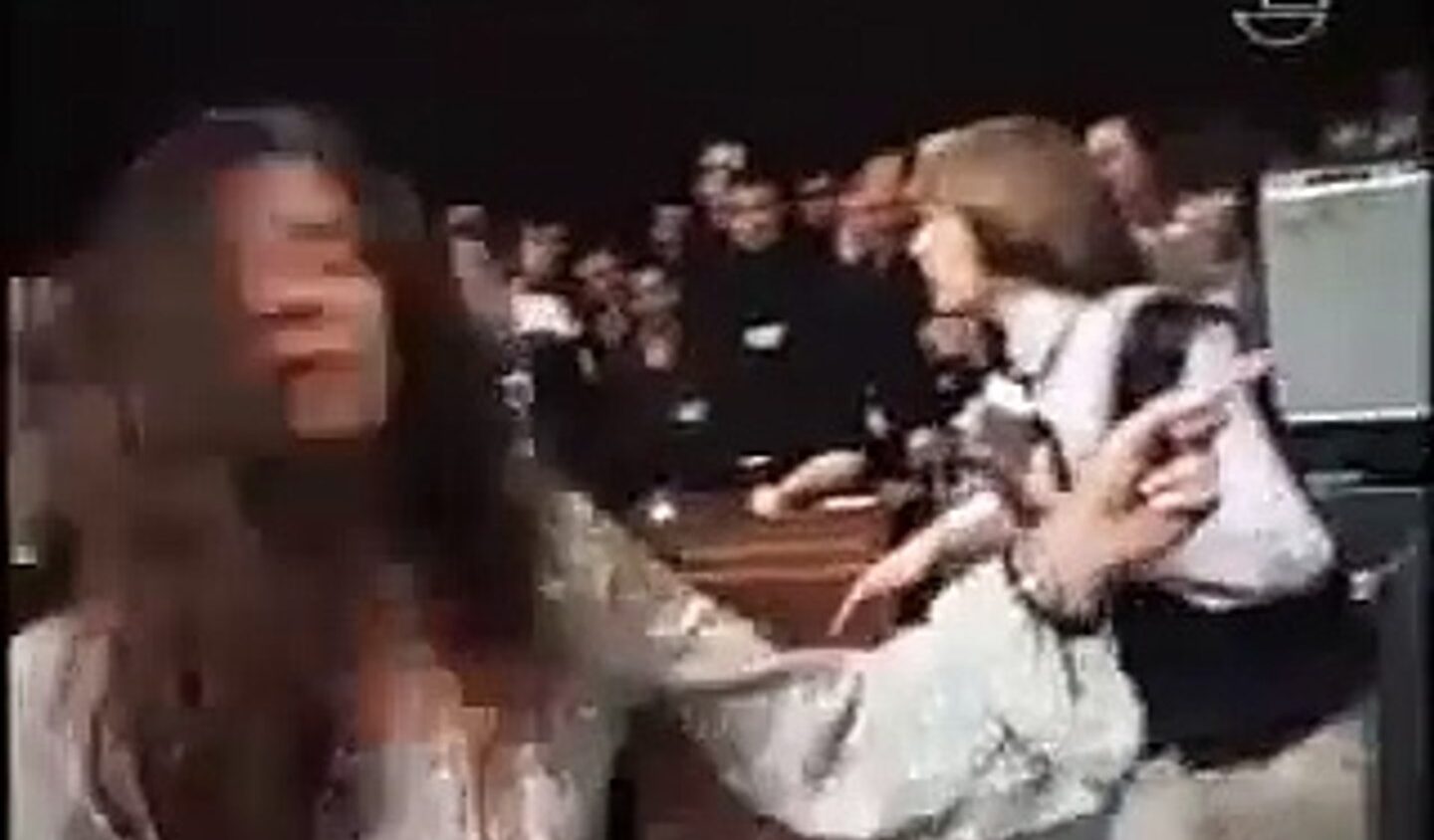
Big Brother and the Holding Company featuring Janis Joplin released “Piece of My Heart” on August 12, 1968, as the lead single from their album Cheap Thrills. Jack Casady from Jefferson Airplane had brought the song to them during their first East Coast tour in March 1968, walking into rehearsal and insisting they needed to hear Erma Franklin’s version from the previous year. Drummer Dave Getz recalled that Joplin loved it immediately. The four-minute track climbed to number 12 on the Billboard Hot 100, spending 13 weeks on the chart and becoming Big Brother’s only pop hit before Joplin left for her solo career. The song transformed Joplin from Monterey sensation into national star, though it remained her biggest chart success until the posthumous number one “Me and Bobby McGee” in 1971. At 24, Joplin had found the song that proved a white Texas girl could channel blues power with enough soul to make even Aretha Franklin’s family take notice.
The chart performance revealed a cultural shift happening in real time. Erma Franklin’s original had peaked at number 62 pop and number 24 R&B in June 1967, demonstrating modest success without crossover appeal. Joplin’s raw, throat-shredding version connected with audiences ready for female vocalists who didn’t apologize for emotional excess. The album Cheap Thrills entered the Billboard 200 at number 60 in September 1968, climbed to number one by October 12, and stayed there for eight non-consecutive weeks. Robert Crumb’s groundbreaking comic-art cover became as iconic as the music, capturing San Francisco psychedelia at its commercial peak. The Grammy Hall of Fame inducted the track in 1999, and Rolling Stone ranked it number 353 on their 500 Greatest Songs list in 2004. The Rock and Roll Hall of Fame included it among the 500 Songs that Shaped Rock and Roll, recognizing Joplin’s performance as defining what female rock singers could attempt.
Jerry Ragovoy and Bert Berns wrote the song with Van Morrison in mind, but Morrison declined, preferring his own material. Ragovoy later collaborated with Joplin on several other tracks that became staples of her repertoire. The narrative about a woman giving pieces of herself to an unappreciative lover fit Joplin’s stage persona perfectly. She told interviewers she connected with material about vulnerability and risk, about loving harder than was wise. The song’s structure allowed her to build from conversational verses to screaming catharsis, demonstrating the vocal control hiding beneath her seemingly untrained emotional outpouring. Joplin studied Bessie Smith obsessively, alongside Big Mama Thornton, Odetta, Etta James, and Tina Turner, crafting performances that felt spontaneous but reflected calculated pastiche of her influences. The primal scream she unleashed midway through became her signature moment, the point where Joan Jett admitted she couldn’t help but run to the mirror and pretend to be a wild woman in a rock band.
Recording sessions at Columbia Studios in New York and Hollywood brought producer John Simon, who’d just finished work on The Band’s Music From Big Pink and had seen Big Brother destroy the Monterey Pop Festival in June 1967. Albert Grossman, who’d signed the band immediately after Monterey, brought Simon in specifically for Cheap Thrills. Sam Andrew arranged the instrumentation, performing three distorted guitar solos that gave the track its psychedelic edge. The album’s title originated as Dope, Sex and Cheap Thrills before Columbia demanded a safer moniker. Despite album cover claims, none of the material tracked at Fillmore East, where Big Brother played opening night March 8, 1968. Simon later told the Library of Congress that Joplin was the boss, smart and mercurial with the vision that made Cheap Thrills what it became. The raw emotion and energy came from Joplin’s refusal to overwork material, trusting instinct over perfection.
Cheap Thrills marked the peak and end of Joplin’s time with Big Brother. A month after the album hit number one, Grossman announced Joplin would leave by year’s end, taking guitarist Sam Andrew with her. The timing devastated the remaining members, who’d finally achieved success only to watch their meal ticket depart. Joplin formed the Kozmic Blues Band in 1969, then the Full Tilt Boogie Band in 1970, constantly searching for musicians who could match her intensity. She died October 4, 1970, from an accidental heroin overdose at age 27, joining the club nobody wanted to enter. Big Brother reunited with Joplin for one live performance in April 1970, six months before her death, then carried on without her until 1972. The 2018 expanded reissue Sex, Dope & Cheap Thrills restored the original title and included 29 previously unreleased studio outtakes from the mythic sessions.
The song’s influence spawned countless covers across genres and decades. Faith Hill’s 1994 country version became a hit despite Hill admitting she’d never heard Joplin’s rendition until after recording her own. Melissa Etheridge and Joss Stone performed a medley with “Cry Baby” at the 2005 Grammy Awards, marking Etheridge’s first public appearance after battling breast cancer. Their iTunes release reached number 32 on the Hot 100. Dusty Springfield covered it in 1968, while Shaggy’s 1997 reggae version hit the top ten in Italy, New Zealand, and the UK. The Move, Beverley Knight with Ronnie Wood, and dozens of others attempted to capture Joplin’s lightning, but as countless fans insisted, only one singer could do the song justice. The track appeared in films from Riding In Cars With Boys to Romance & Cigarettes, and TV shows including Mad Men, Glee, and Cold Case. A film company once paid one million dollars just to use the song rights, the highest amount ever paid at that time, though the movie never materialized for lack of a coherent script.
Clive Davis called “Piece of My Heart” the first record he ever attempted to be involved with, making Joplin the first artist he signed as Columbia’s new president. That decision, made after witnessing her Monterey breakthrough, changed both their trajectories. For Davis, it validated trusting instinct over market research. For Joplin, it meant major label resources supporting her San Francisco underground credibility. The song captured everything that made Joplin essential: vulnerability disguised as aggression, technical skill masked as abandon, and the ability to make audiences believe she’d sacrifice everything for love even when everyone knew she was performing. When she sang about breaking off another piece of her heart, she made listeners understand that some people gave until nothing remained. That’s why the song endured long after Joplin’s death, why it became the standard against which all emotional excess in rock music got measured. Jack Casady had been right when he walked into that March 1968 rehearsal. The song was perfect for Janis’ voice, and she did something with it that Erma Franklin later admitted was so different from her version that she didn’t really resent it too much. That qualified as high praise when one sister’s signature song became another woman’s legacy.
SONG INFORMATION
Related videos
 Watch LaterAdded
04:30
Watch LaterAdded
04:30  Watch LaterAdded
03:30
Watch LaterAdded
03:30  Watch LaterAdded
06:49
Watch LaterAdded
06:49