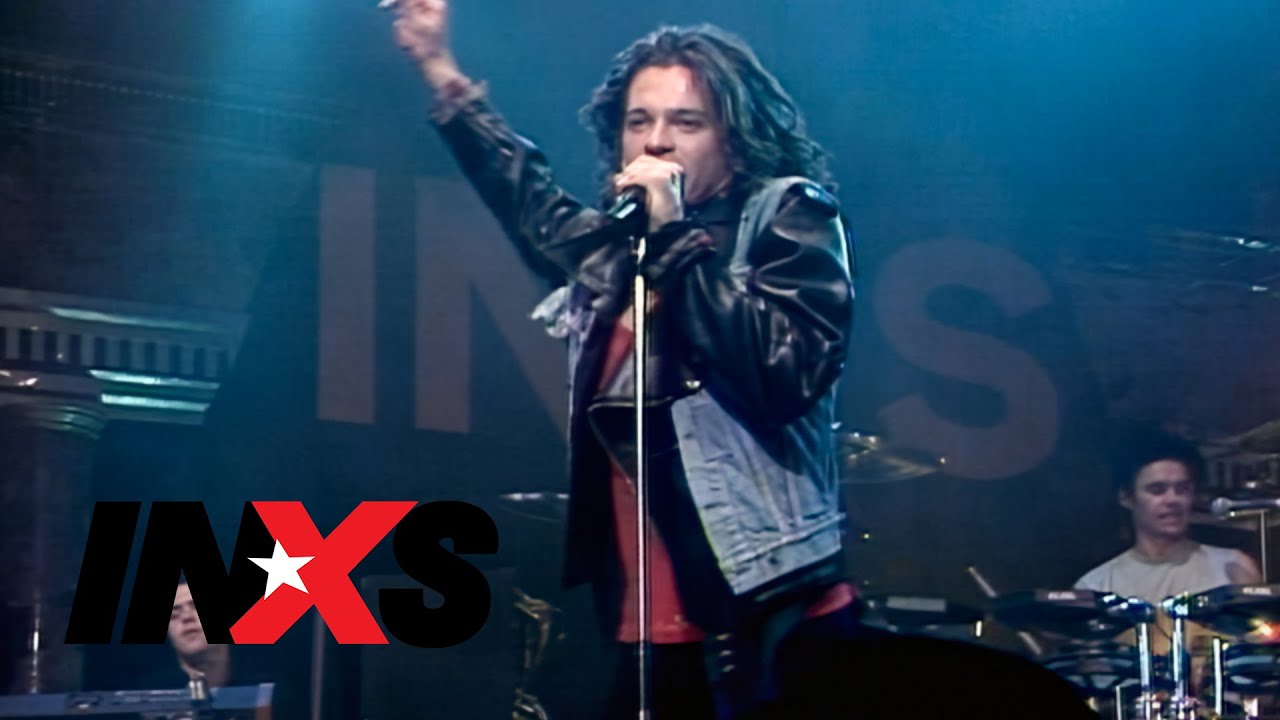
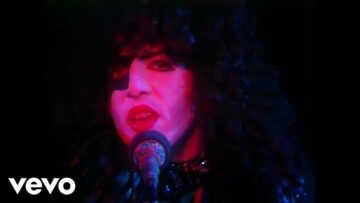
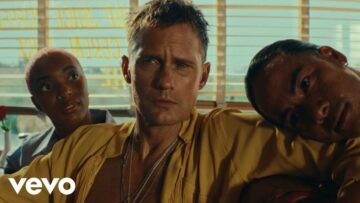
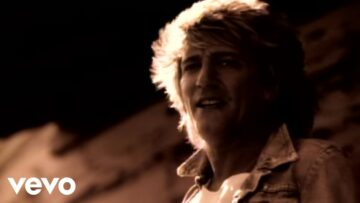
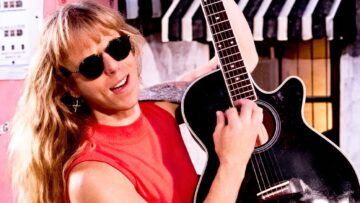
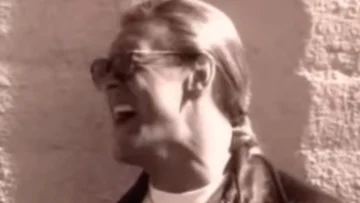
Listen closely to the chorus and that’s Daryl Hall singing next to Michael Hutchence — a last-minute addition by producer Nile Rodgers that helped turn an Australian band’s American gamble into a worldwide No. 1.
There’s a voice hiding in the chorus of Original Sin that most listeners never consciously notice, and once you know it’s there you can’t unhear it: that’s Daryl Hall, of Hall & Oates, singing alongside Michael Hutchence. He wasn’t in the plan. The band had already cut their own backing vocals and thought the track was finished — until producer Nile Rodgers listened back, said it needed “a little extra something,” and made a phone call. Hours later one of the biggest pop stars of the 1980s walked into the studio and sang on a song by an Australian band most Americans had never heard of.
That gamble — going to New York, hiring a superstar producer, swinging for an international audience — is the whole story of Original Sin. By 1983, INXS had three albums and a devoted following at home in Australia, but they were nobodies abroad. Hoping to break out, they booked time at the Power Station in New York with Nile Rodgers, the Chic mastermind who was, at that exact moment, the hottest producer in the world, fresh off David Bowie’s blockbuster Let’s Dance. Rodgers had caught the band live and been struck by drummer Jon Farriss; the song, written by Hutchence and keyboardist Andrew Farriss, gave him a canvas for the funk-infused, dance-rock sound that would redirect the band’s entire career.
A phone call to Daryl Hall
Rodgers built the track around a sleek, danceable groove and Andrew Farriss’s sharp funk guitar, a deliberate move away from the band’s earlier post-punk leanings. The lyric, sung by Hutchence with rising urgency, used the image of original sin as a metaphor for racial and social division — “dream on white boy, dream on black girl” — giving a body-moving pop record an unexpectedly serious undercurrent. Hall’s soaring contribution to the chorus, added that same day at Rodgers’s instigation, supplied the final lift. It was the sole track on the resulting album, The Swing, to carry the Rodgers signature, and it stood out accordingly.
Released as a single in December 1983, ahead of the album in March 1984, Original Sin did exactly what INXS had hoped — and then some. It became the band’s first No. 1 in Australia, and topped the charts in France and Argentina as well. The accompanying studio video, filmed in Japan with the band performing on motorbikes amid a fairground being built and dismantled around them, earned heavy rotation on MTV and helped plant the INXS name in North America for the first time.
A No. 1 at home, a slow burn everywhere else
The American story was more complicated, and more interesting. Original Sin stalled at No. 58 on the Billboard Hot 100 and never cracked the US top 40 — a commercial near-miss on paper. But it climbed all the way to No. 1 on the Billboard Hot Dance Club chart, finding its audience on the dance floor rather than on pop radio, and it announced the funkier, more rhythmic direction that would soon deliver INXS a string of genuine US top-ten hits with Listen Like Thieves and the global phenomenon of Kick. The song was the hinge on which the band’s international career turned.
More than forty years on, Original Sin endures as the moment INXS stopped being a great Australian band and started becoming a great global one. The live performances kept it alive on stages for the rest of Hutchence’s career, and the studio original — with its hidden superstar vocal, its socially pointed lyric, and its Nile Rodgers sheen — remains one of the most quietly ambitious singles of the early MTV era. Not bad for a song the band thought was already finished.
SONG INFORMATION
Artist: INXS
Song: “Original Sin”
Album:The Swing
B-side: “In Vain”
Released: December 1983
Recorded: September–December 1983
Studio: Power Station, New York City
Label: WEA / Atco
Songwriters: Michael Hutchence, Andrew Farriss
Producer: Nile Rodgers
Length: 5:19 (album); 3:45 (single edit)
Genre: New Wave, Funk Rock, Dance Rock
Guest Vocal: Daryl Hall (chorus)
Chart Performance: No. 1 Australia; No. 1 France; No. 1 US Hot Dance Club; No. 58 Billboard Hot 100
Performance: Live, January 17, 1986
Lineup: Michael Hutchence — vocals; Andrew Farriss — keyboards, guitar; Tim Farriss — lead guitar; Kirk Pengilly — guitar, saxophone; Garry Gary Beers — bass; Jon Farriss — drums