The Night James Taylor Sang It Like He’d Already Lived It
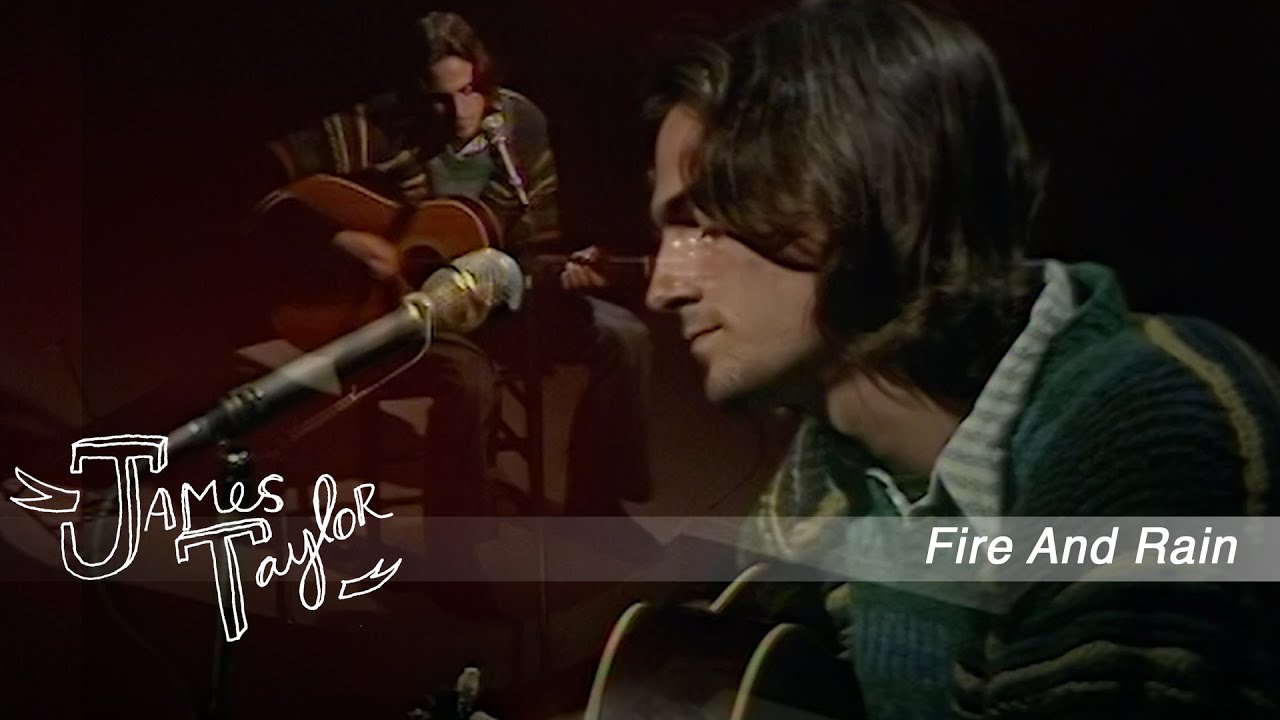
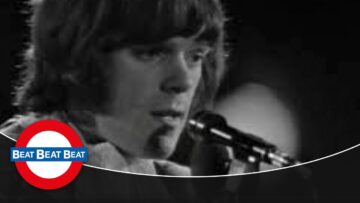
By the time James Taylor performed “Fire and Rain” for the BBC on November 16, 1970, the song was already doing something rare: it was turning private pain into public silence. Released as a single in August 1970 from Sweet Baby James, it climbed fast—proof that a soft voice could hit harder than a loud one. Watching that BBC In Concert take now, you can feel the weird tension of the moment: a new star, an old soul, and a song that sounds like it’s telling the truth against his will. The “wait, WHAT?” detail is that the track wasn’t written in one burst—it was pieced together across different cities and different crises.
The charts told the world what fans already knew. “Fire and Rain” peaked at No. 3 in the US and hit No. 2 in Canada, while the UK gave it a brief, almost shy run to No. 42—three weeks and gone, like radio didn’t quite know what to do with something this heavy. It mattered because late 1970 pop could be glossy and loud, and here came Taylor with a song that felt like a letter you weren’t supposed to read. Even at No. 3, it didn’t “win” by being bigger than the competition—it won by being more human.
The origin story is darker than most people realize, even if they know the title. One verse is tied to the death of Taylor’s childhood friend Suzanne Schnerr—news he learned late, after friends held it back while he was already unraveling. Another verse comes from his own struggles with addiction and the lonely machinery of early fame. And that famous “sweet dreams and flying machines” line isn’t some poetic postcard—it nods to a real plan collapsing, the kind of dream that looks solid until it doesn’t. Put together, the song isn’t one story so much as three wounds stitched into the same melody.
“Fire and Rain” was recorded in December 1969 at Sunset Sound in Los Angeles, produced by Peter Asher, and the sound matches the mood: close, warm, and unshowy, like the room is listening with you. The lineup around Taylor featured the kind of players who could make understatement feel dramatic—nothing fights the lyric, everything cushions it. What makes the track special isn’t a flashy “moment,” but the discipline to leave space where most singers would fill it. It’s the kind of performance where the smallest crack in the voice does more work than a full-throated belt.
In the bigger arc, it was the song that turned Sweet Baby James from “promising album” into a cultural arrival. Taylor had already been through the whirlwind of early expectations, and this record put him at the center of the singer-songwriter wave without sanding him into background music. Other singles could introduce an artist; “Fire and Rain” announced a worldview. It also set the emotional template for what people wanted from him—songs that sounded like they’d been carried around in a pocket for months.
The legacy has only thickened. The song entered the Grammy Hall of Fame, and its ripple shows up in everyone who learned that you can write plainly and still devastate. Covers keep coming—because the chords invite you in—but Taylor’s version remains the one that feels lived-in rather than performed. And that’s why the BBC In Concert rendition is so gripping: no distractions, no drama added, just a young artist standing still and letting the song do what it does.
As a piece of the James Taylor catalog, “Fire and Rain” is essential—a five-star cornerstone that never stops revealing new bruises as you age into it. It’s not just a classic; it’s a reminder that softness can be fearless. The BBC performance captures that perfectly: a man singing as if he’s trying not to flinch, and failing in the most beautiful way. Some songs get older. This one gets closer.
SONG INFORMATION
Artist: James Taylor
Song: “Fire and Rain”
Album:Sweet Baby James
B-side: “Anywhere Like Heaven” (US)
Released: August 6, 1970
Recorded: December 1969 (Los Angeles, California)
Studio: Sunset Sound (Los Angeles, California)
Label: Warner Bros.
Songwriter: James Taylor
Producer: Peter Asher
Chart Performance: No.3 in US, No.42 in UK, No.2 in Canada, No.6 in Australia




![Led Zeppelin – Rock And Roll (Live at Knebworth 1979) [Official Video]](https://musicvideosclub.com/wp-content/uploads/2025/07/led-zeppelin-rock-and-roll-live-360x203.jpg)