



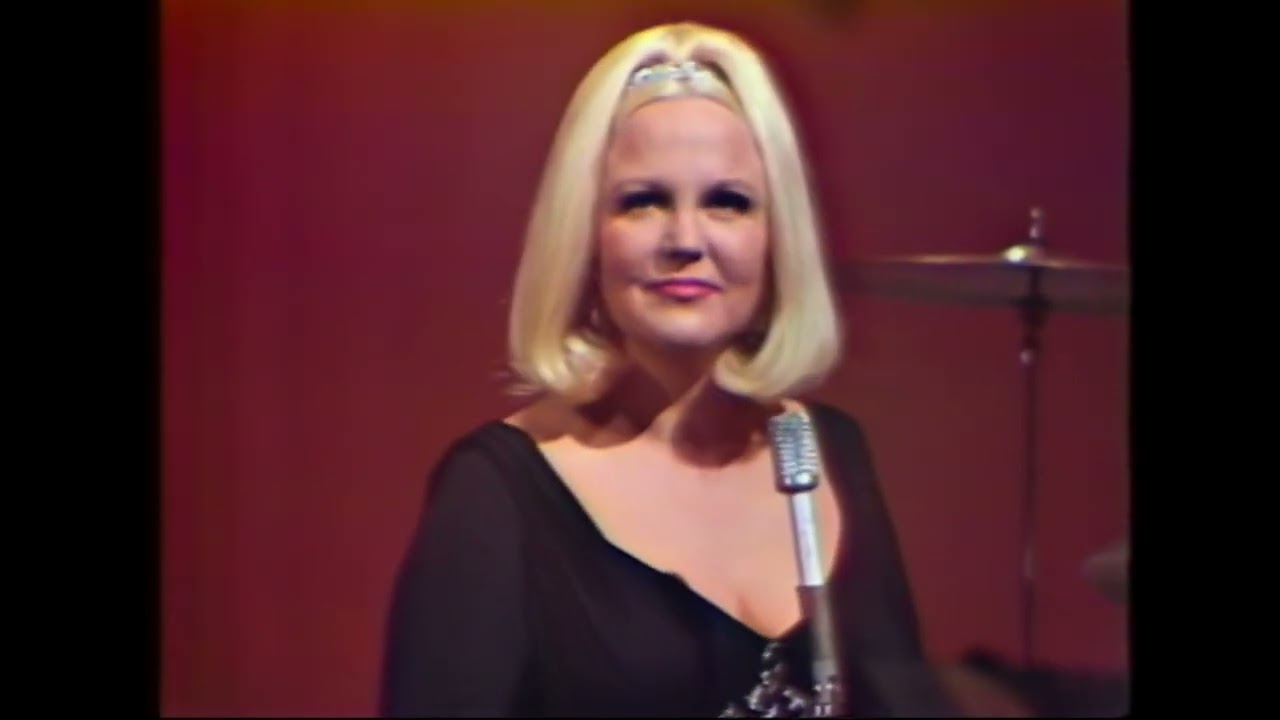


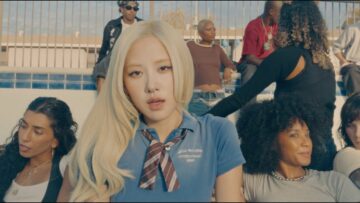

Peggy Lee – Fever (1967)
She Forgot To Copyright The New Lyrics And Lost All The Credit
Released in June 1958, Peggy Lee’s “Fever” transformed Little Willie John’s number one R&B hit from 1956 into something entirely different. Bassist Max Bennett brought the song to Lee’s attention after hearing a bar patron request it during a gig with saxophonist Nino Tempo on Western Avenue in Hollywood. Neither musician knew the tune, so the audience member taught it to them on the spot. Bennett immediately recognized the bass line’s potential and contacted Lee, who’d asked him months earlier to find her a torch number for her nightclub act. The single peaked at number eight on the Billboard Hot 100 in August 1958, number six on Cash Box, and number five in the UK. It spent twelve weeks on the charts and sold over one million copies, becoming Lee’s signature song and her only top ten hit. At the first Grammy Awards in 1959, it earned nominations for Record of the Year, Song of the Year, and Best Female Vocal Performance.
The chart performance marked a commercial resurrection for Lee, whose swing-era pop vocals had begun losing relevance among younger audiences during the rock and roll explosion. Her sophisticated take on “Fever” spoke directly to teenagers while retaining all the wit and cool sophistication of the finest jazz records. Yet the success came with lasting frustration. Jack Marshall, who served as conductor for the session, received the Grammy nomination for Best Arrangement despite Lee conceiving the minimalist approach herself. She’d stripped away John’s horns, electric guitar, and gospel voices, keeping only bass and drums beneath her vocals and finger snaps. Lee remained mortified about the arrangement credit until her death. Even more painfully, she forgot to copyright the new lyrics she’d written, including the now-famous verses about Romeo and Juliet, Captain Smith and Pocahontas, which became standard in subsequent covers. Original writers Eddie Cooley and Otis Blackwell received credit for Lee’s additions, costing her royalties on hundreds of versions recorded since.
Lee wrote the additional verses after deciding John’s original lyrics, while strong, didn’t quite suit her voice and persona. She rewrote portions to include historical invocations that added sophistication and humor, transforming a straightforward rhythm and blues number about physical desire into something more playful and knowing. The Romeo and Juliet verse turned passionate love into wry observation. The Captain Smith and Pocahontas verse added layers of American mythology. Later in the song, she referenced Julio and his flame, daddy-o warnings, and chicks being born to give fever, using Beat Generation slang that connected her to the burgeoning youth culture. These additions displayed Lee’s skill as a lyricist, though she couldn’t claim financial rewards. She later wrote in her autobiography that she’d seen printed sheet music of “Fever” with her special lyrics but no credit as writer, meaning she wasn’t registered with ASCAP or BMI.
Recording took place on 19 May 1958 at Capitol Studios in Hollywood during sessions for what would become various releases. Producer Dave Cavanaugh and conductor Jack Marshall initially wanted a bigger, more complex arrangement, but Lee insisted on the stripped-down approach she’d conceived. The final track featured only Joe Mondragon on upright bass, Shelly Manne on drums playing with his fingers instead of sticks with the snares turned off, and finger snaps provided either by Lee herself, by guitarist Howard Roberts who’d set aside his guitar for this number, or possibly even by Cavanaugh. The three minutes twenty-one seconds captured Lee’s voice completely exposed, a vulnerability only a handful of popular singers could survive. Nat Cole had achieved similar nakedness on “Calypso Blues.” The key of A minor, medium swing tempo of 135 beats per minute, and Lee’s vocal range from G3 to B4 created what NPR later called slinky and inimitable, showcasing her playful delivery, charisma, and sexuality.
“Fever” wasn’t initially included on Lee’s 1959 album Things Are Swingin’ but eventually appeared on the 1960 compilation All Aglow Again. A live version recorded at Basin Street East in February and March 1961 featured Max Bennett on bass, who’d returned to work with Lee after spending about a year with Ella Fitzgerald. That version included Bennett’s slightly embellished bass line. By then, “Fever” had become central to Lee’s identity, defining her cool, torchy lounge persona for the remainder of her career spanning seven decades. She’d recorded over 1,100 masters and co-written over 270 songs, earning an Academy Award nomination for Pete Kelly’s Blues in 1955 and voicing multiple characters in Disney’s Lady and the Tramp that same year. Yet “Fever” overshadowed everything, winning Billboard’s Top Disc Jockey Record of the Year award and cementing her as the Queen of American pop music.
The covers tell their own story about the song’s malleability and enduring appeal. Elvis Presley followed Lee’s version closely during his 1973 Hawaii concert broadcast. The McCoys took their Beatles-lite rendition to number seven on Billboard in 1966. Madonna’s techno version topped the Hot Dance Club Play chart in 1993 and reached number one in Finland. Beyoncé recorded it for 2003’s The Fighting Temptations, successfully transplanting Lee’s seductive iciness with gumbo sound and Southern comfort. Michael Bublé, Ella Fitzgerald, Ray Charles, James Brown, The Kingsmen, Shirley Manson, and countless others have tackled it. A 1992 UK reissue peaked at number 75 after a television commercial revived interest. The song appeared in the book 1001 Songs You Must Hear Before You Die at number 100. In 1958, Melody Maker critic Steve Race called it sanity in the top twenty, praising its jazz qualities and planned artistry during an era of baying vocal groups and splay-legged caveboys.
Looking back, Lee’s “Fever” represented more than chart success or signature songs. It captured that impossible moment when cool sophistication met teenage rebellion, when a 38-year-old jazz singer could speak directly to youth culture without pandering or compromising her artistry. During a time when teen rebellion reverberated through wailing guitars and saccharine crooning, Lee created a sophisticated showstopper that stood out while teeming with innuendo that made parents uncomfortable. She transformed a cover into the definitive version, eclipsing the original so completely that most listeners never knew Little Willie John existed. Yet she paid a price for her generosity and oversight, losing credit for arrangement and lyrics that were entirely hers. As Lee reflected decades later, urging others to watch their copyrights, she’d learned the hard lesson that creating something iconic doesn’t guarantee you’ll be remembered for creating it. The song endures as her legacy, even if the paperwork tells a different story.
SONG INFORMATION
Related videos
 Watch LaterAdded
03:05
Watch LaterAdded
03:05  Watch LaterAdded
04:05
Watch LaterAdded
04:05  Watch LaterAdded
02:57
Watch LaterAdded
02:57