



![Andrea Bocelli – Je Vis Pour Elle (feat. Kendji Girac) [Official Music Video]](https://musicvideosclub.com/wp-content/uploads/2025/09/andrea-bocelli-je-vis-pour-elle-360x203.jpg)

ABBA – Happy New Year
John Cleese Said No To Their Musical, So They Wrote It Anyway
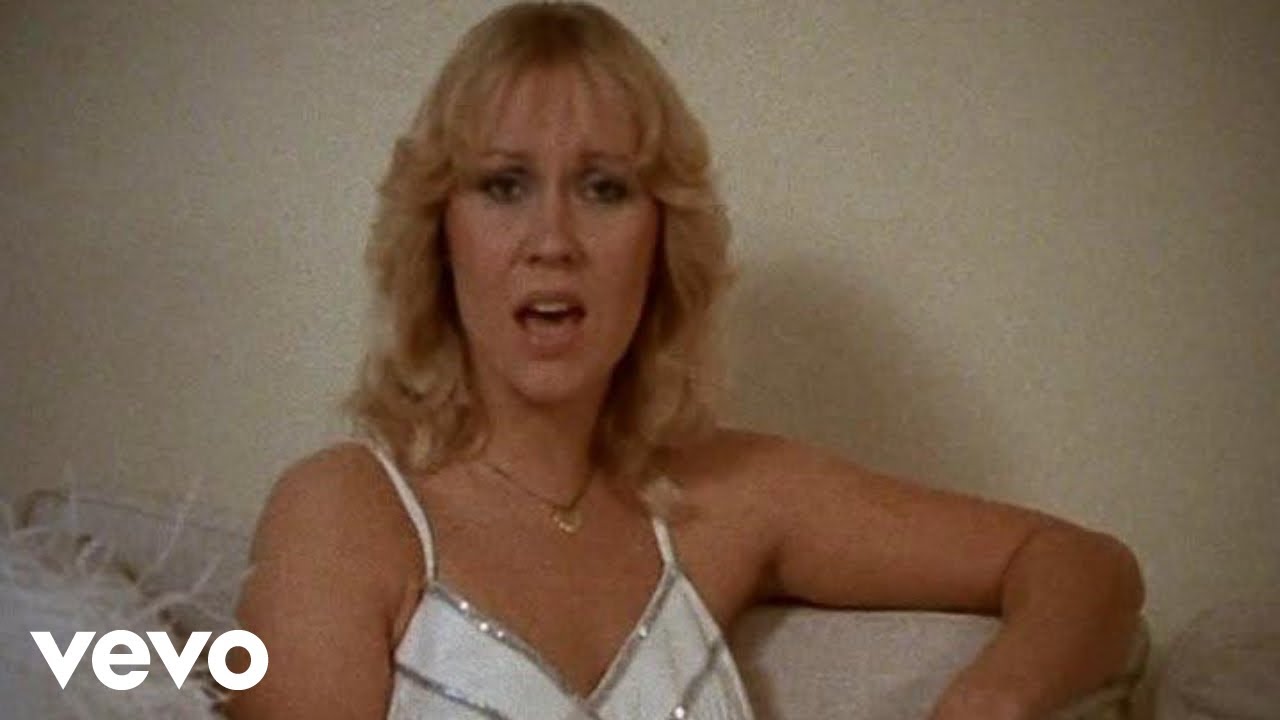
Released on the Super Trouper album on November 3, 1980, “Happy New Year” received only a very limited single release in December of that year before being properly issued as a single nearly two decades later to celebrate the new millennium. The 1999 re-release charted at number 27 in Sweden, number 15 in the Netherlands, and number 75 in Germany, while a 2008 re-release performed even better, reaching number four in Sweden, number six in Norway, and number 25 in Denmark. The song never charted during ABBA’s original run despite featuring Agnetha Fältskog’s most emotionally vulnerable lead vocal on Super Trouper. The album itself became the biggest-selling album of 1980 in the UK, reaching number one and selling over eight million copies worldwide. What nobody knew was that Björn Ulvaeus and Benny Andersson had written the song as part of a proposed New Year’s Eve musical they’d pitched to Monty Python’s John Cleese during a chance meeting at their Barbados holiday resort in January 1980. When Cleese politely declined to write the script, they abandoned the musical concept but kept the song, transforming it from theatrical centerpiece into a melancholic meditation on hope and renewal.
While “Happy New Year” never achieved major chart success as a single during ABBA’s active years, it became one of their most culturally significant recordings through constant television play and New Year’s Eve celebrations worldwide. The Spanish-language version “Felicidad” topped the charts in Argentina and was included on South American pressings of Super Trouper. Swedish Television has broadcast a specially recorded performance of the song annually on New Year’s Eve since the early 1980s, establishing it as an integral part of Sweden’s holiday traditions. The track holds particular significance in Vietnam, where it emerged as an unofficial anthem for television countdown shows and festive parties starting in the 1980s during the post-war recovery period. In December 2011, a silver glitter vinyl single limited to 500 copies was released featuring “Happy New Year” and “The Way Old Friends Do,” selling out within a day after being announced exclusively through official ABBA channels.
The song’s creation began on a plane to Barbados in January 1980 when Björn and Benny conceived the idea for a musical centered around New Year’s Eve celebrations. They envisioned a framework featuring a few people in a room looking back on what had been while contemplating the future. Upon arriving at their holiday resort, they encountered John Cleese, star of Monty Python and Fawlty Towers, whom they were huge fans of, and invited him to dinner to discuss the project. When Cleese politely turned them down, they abandoned plans for a full musical but continued working on the songs, with “Happy New Year” becoming the first track completed for what would become Super Trouper. The original working title was the more festive and humorous “Daddy Don’t Get Drunk on Christmas Day,” which was later revised to align with the New Year’s theme of hope and renewal. Björn later explained that he felt one of the biggest problems in the Western world was the lack of confidence and negative outlook toward the future, making the song a political message about setting up positive goals despite life’s uncertainties.
Recording sessions took place at Polar Music Studios in Stockholm throughout early 1980, with the backing track developed in Barbados and vocals finalized by April. Producer Michael B. Tretow worked with Björn and Benny to craft the arrangement around synthesizers, acoustic guitar, and Agnetha’s vulnerable lead vocal, supported by Anni-Frid Lyngstad’s harmonies. The track opens with a simple piano figure before building into lush orchestration that contrasts sharply with the song’s melancholic lyrics about dreams that never materialize and hopes that fade. Agnetha’s delivery captured something deeply personal, her voice conveying both fragility and determination as she sang lines about seeing the end of another year with no reason to believe things would improve. The production emphasized restraint, allowing space for the emotional weight of the lyrics to resonate without overwhelming orchestral flourishes. Tretow’s engineering created an intimate atmosphere that made listeners feel like they were overhearing a private moment of vulnerability disguised as seasonal celebration.
Super Trouper, ABBA’s seventh studio album, arrived on November 3, 1980, via Polar Music and became their sixth consecutive number one album in Sweden. The ten-track record peaked at number 17 on the Billboard 200 in America while dominating European charts, topping the UK Albums Chart and staying at number one for nine weeks. The album featured the massive hit singles “The Winner Takes It All,” which explored Björn and Agnetha’s divorce through devastating emotional honesty, and the title track “Super Trouper,” recorded just a month before release. Other standout tracks included “Lay All Your Love on Me,” whose extended 12-inch version became a nightclub favorite, “On and On and On,” “Our Last Summer,” “Andante, Andante,” and the live recording “The Way Old Friends Do” captured at Wembley Arena in November 1979. The album marked a return to straightforward pop after the disco-influenced Voulez-Vous, though critics noted the darker, more mature themes running throughout. Despite tensions within the band following both couples’ divorces, Super Trouper showcased ABBA at their artistic peak.
The music video for “Happy New Year” was filmed at Europa Film Studios in Stockholm in August 1980 during the same sessions that produced footage for “Super Trouper” and “Felicidad.” Director Lasse Hallström incorporated circus performers and spotlight themes that tied into the album’s overall aesthetic. The clip became known as ABBA Around the Piano, featuring the group performing the song in an intimate setting surrounded by friends and collaborators including Görel Hanser, Berka Bergkvist, Tomas Ledin, and Anders Anderson. This version was sold to numerous countries and became the official television version broadcast annually on Swedish TV. The performance emphasized the song’s reflective quality, with all four members visible throughout rather than cutting away to elaborate staging. A-Teens covered the song in 2000 for their millennium celebrations, altering the lyric from “in the end of eighty-nine” to “in the end of ninety-nine” and reaching number four in Sweden and number 12 in Finland, matching ABBA’s chart positions from the 2008 re-release.
ABBA disbanded following their final recording sessions in December 1982, with “Happy New Year” representing one of their last truly optimistic compositions before the darkness of The Visitors consumed their final album. The song’s message about maintaining hope despite acknowledging life’s disappointments resonated across generations, becoming embedded in global New Year’s Eve traditions despite never being a major hit. The track appeared in countless films, television shows, and commercials, always deployed to evoke bittersweet nostalgia and cautious optimism. When ABBA reunited in 2021 to record Voyage after 40 years apart, they included “Happy New Year” in the setlist for their revolutionary holographic ABBA Voyage residency, which premiered at the ABBA Arena in London on May 27, 2022. Digital avatars of the band perform the song as part of the 90-minute show, proving its enduring appeal across five decades. The track ranked as the 32nd top-selling vinyl single in the UK in 2022, outselling contemporary releases and demonstrating ABBA’s commercial power extends far beyond nostalgia.
Björn Ulvaeus later reflected that “Happy New Year” captured the existential uncertainty of turning points, those moments when you’re supposed to celebrate new beginnings but instead feel the weight of accumulated disappointments. The song’s genius lies in its honesty—rather than offering false cheer, it acknowledges doubt while still suggesting that maybe, just maybe, we’ll find what we’re searching for. As a piece originally intended for a musical that never happened, the track exists in a strange liminal space between theatrical statement and personal confession, neither fully celebratory nor completely despairing. It remains ABBA’s most emotionally complex seasonal recording, a reminder that sometimes the most hopeful messages come wrapped in melancholy, and that acknowledging our fears is the first step toward overcoming them. John Cleese’s polite refusal in Barbados inadvertently gave the world one of pop music’s most enduring meditations on the passage of time and the resilience of hope.
![Tina Charles – I Love To Love [Starparade]](https://musicvideosclub.com/wp-content/uploads/2026/03/tina-charles-i-love-to-love-star-360x203.jpg)