






The Hues Corporation – Rock The Boat
The Producer Called The Lyrics Trite And Made It A B-Side
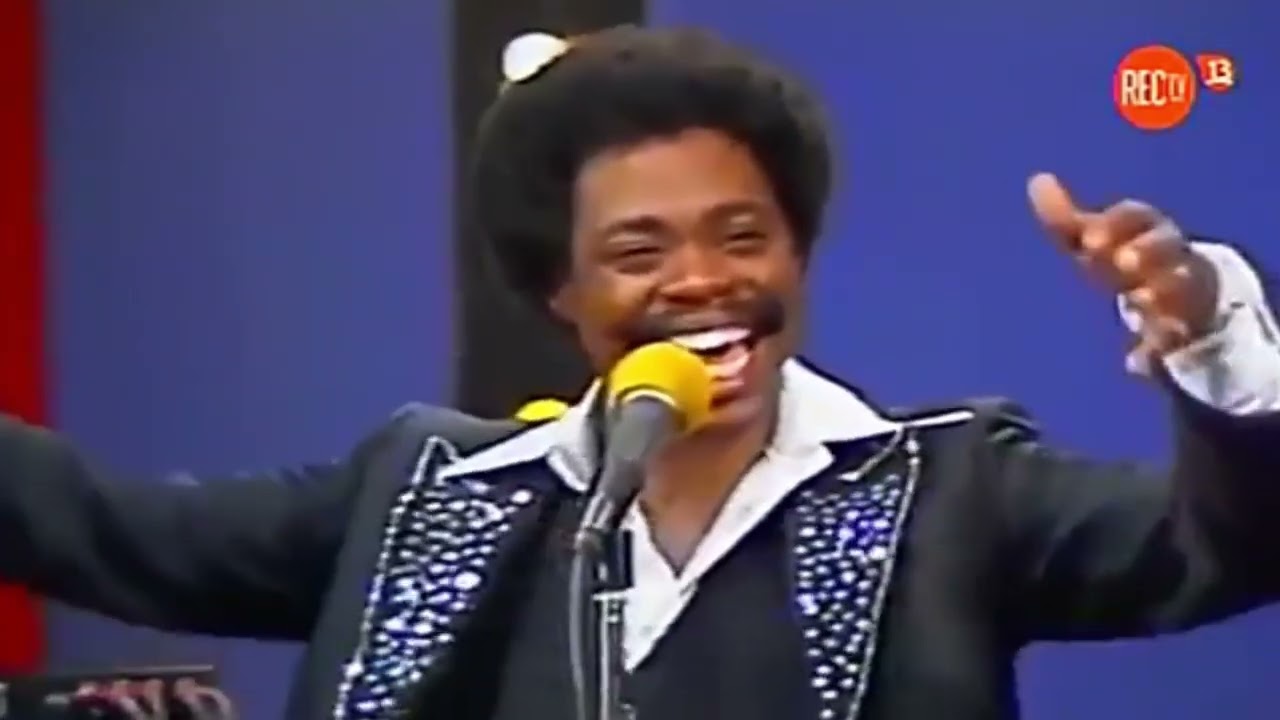
Released in February 1974, “Rock The Boat” by The Hues Corporation flopped spectacularly at first, barely limping to number 96 on the Billboard Hot 100 before disappearing. Producer John Florez had called the lyrics trite and relegated the track to the B-side of their original single release. Then something unexpected happened in the underground gay clubs of New York City. DJs started spinning the track relentlessly, and dancers couldn’t get enough of its infectious four-on-the-floor beat. RCA Records caught wind of the club phenomenon, Florez remixed the song to boost the bass and rhythm section, and the label re-released it in May 1974. The remixed version entered the Hot 100 at number 83 on May 25 and shot to number one on July 6 in just seven weeks, staying at the top for one week. It spent 18 weeks on the chart total and sold over two million copies worldwide.
While “Rock The Boat” conquered America, it reached number six in the UK, number two on the Billboard R&B Singles chart, and earned gold certification from the RIAA on June 24, 1974. The song helped push their debut album Freedom for the Stallion to number 20 on the Billboard 200. New York’s powerhouse Top 40 station WABC named it the number one song of 1974 despite the track only holding the national chart top spot for a single week. The song became one of the defining records of the summer of 1974, competing with Jim Croce’s “Time in a Bottle” and George McCrae’s “Rock Your Baby.” Richard Finch of KC and the Sunshine Band later admitted that watching “Rock The Boat” dominate club charts directly inspired him and Harry Wayne Casey to write “Rock Your Baby,” which also hit number one that summer. The disco era had officially arrived.
Songwriter and group manager Wally Holmes dashed off “Rock The Boat” in just 15 minutes, crafting an extended nautical metaphor about relationships as ocean voyages complete with cargo full of love and devotion. Holmes had assembled The Hues Corporation in Los Angeles in 1969 as his second attempt at creating a commercially viable Black soul-pop group after his first project Brothers And Sisters fell apart. The group’s name was one of pop music history’s most groan-worthy puns—a play on billionaire Howard Hughes’ corporation, with “hues” substituted to reference color. According to The Billboard Book of Number One Hits, RCA initially wanted H. Ann Kelley to sing lead but scrapped the idea out of fear that groups with female lead singers were less commercially viable. Fleming Williams got the lead vocal instead, though he’d leave the group shortly after recording the track. Holmes had bigger ambitions than radio hits—he envisioned The Hues Corporation as a friendly Las Vegas nightclub act that could tour endlessly and make serious money, something like the late sixties hitmakers Friends of Distinction.
The recording sessions at RCA’s Hollywood studios in 1973 brought in heavy hitters from the jazz world. Wilton Felder of The Jazz Crusaders laid down the bass line, not James Jamerson as erroneously reported for years. Joe Sample played piano, Larry Carlton contributed guitar work, and Wayne Henderson added trombone. Drummer Ed Greene delivered the four-on-the-floor beat that became disco’s rhythmic foundation. Wally Holmes wrote and performed the trumpet line himself. Arranger Tom Sellers based the groove on Caribbean rhythms he’d heard while on vacation, accidentally creating a disco beat before disco truly existed as a genre. Producer John Florez initially hated the final product and buried it as an album track on Freedom for the Stallion, released in October 1973. The group had landed songs on the soundtrack to the cult 1972 blaxploitation film Blacula, which got them signed to RCA in the first place. Nobody at the label believed “Rock The Boat” had hit potential until New York’s underground club scene proved them spectacularly wrong.
Freedom for the Stallion arrived as The Hues Corporation’s debut album in October 1973, featuring the Allen Toussaint-penned title track that had peaked at number 63 earlier that year. After “Rock The Boat” exploded, the single edit appeared on certain editions of their second album Rockin’ Soul, released in 1974. The followup single “Rockin’ Soul,” also written by Holmes, climbed to number 18 on the Hot 100 later in 1974 and reached number two on the R&B Singles chart, blocked from the top spot by James Brown’s “My Thang.” The group performed both songs on ABC’s American Bandstand on December 14, 1974, riding what would be their brief moment in the mainstream spotlight. They’d chart three more times with “Love Corporation” peaking at number 62 in 1975 and “I Caught Your Act” reaching number 92 in 1977 before disbanding in 1980. The Hues Corporation became the textbook definition of a one-hit wonder.
American-Dutch singer Forrest covered “Rock The Boat” in 1982 with a slick production that became a bigger hit in some territories than the original. Forrest’s version peaked at number four in the UK in March 1983, number seven in the Netherlands, number nine on the Billboard Dance chart, and number 33 in Australia. The promotional video featured a pre-fame Sinitta, years before her Stock Aitken Waterman hits like “So Macho” and “Toy Boy” made her a household name. In 1989, Forrest released an updated remix titled “Rock the Boat ’89” produced by Marc Hartman and Sven van Veen. The original track’s influence extended beyond direct covers—Grand Puba sampled elements for “Amazing” from his 1992 album Reel to Reel, while Chic’s Nile Rodgers has discussed how “Rock The Boat” influenced the groove on “Le Freak.” The song remains a heavy airplay favorite on oldies and adult contemporary stations today.
Historians continue debating whether “Rock The Boat” was truly the first disco song to hit number one. Some give that distinction to Barry White’s Love Unlimited Orchestra and their instrumental “Love’s Theme,” which topped the charts earlier in 1974. Others argue MFSB’s “TSOP (The Sound of Philadelphia),” the Soul Train theme, deserves the title. What nobody disputes is that “Rock The Boat” helped legitimize disco as a force in popular music and proved club culture could launch mainstream hits. As St. Clair Lee reflected in an interview with Classicbands.com, it was a song people could dance crazy to or slow dance with, a love song without being a love song. The track captured lightning in a bottle—a throwaway album cut dismissed by its own producer that accidentally became the heartbeat of a musical revolution.
SONG INFORMATION
Related videos
 Watch LaterAdded
03:21
Watch LaterAdded
03:21  Watch LaterAdded
03:05
Watch LaterAdded
03:05  Watch LaterAdded
04:50
Watch LaterAdded
04:50