Two songs were recorded in the same two days in August 1974. One failed to chart in a single major market; the other saved the band’s career.
On August 22 and 23, 1974, ABBA were at Glen Studio outside Stockholm working on two songs. One of them was So Long, chosen as the lead single from the album they were building and released that November. The other was SOS. The first failed to chart in Britain at all and never entered the Australian chart either. The second, held back for seven months, became the record that made everything afterward possible.
The position ABBA occupied at the end of 1974 is easy to misremember. Waterloo had won Eurovision in April and gone to No.1 in Britain, and the accepted wisdom in the industry was that this was the whole story — a novelty act with a costume and a contest win, of whom nothing further was required. The follow-ups bore that out. Honey, Honey and Hasta Mañana went nowhere much. Polar released So Long on November 18, 1974, Epic put it out in Britain four days later, and despite television promotion and reviews that were perfectly decent, it did not appear on the UK chart. In Australia its own B-side charted higher than it did.
The song is not the problem. Björn Ulvaeus and Benny Andersson wrote it as a piece of straight rock and roll, with Agnetha Fältskog and Anni-Frid Lyngstad trading the lead, a saxophone line running underneath and a stomping piano figure holding it together. It sounds like a band enjoying themselves. What it does not sound like is Waterloo, and in late 1974 that was the only thing anybody in Britain was listening for.
The country that worked it out first
Australia reached a different conclusion, and it reached it through television rather than radio. A one-hour ABBA special broadcast there in March 1976 became an event out of all proportion to what a pop programme was supposed to be, and the effects were immediate and measurable: Hasta Mañana, a two-year-old album track, was re-released off the back of it and became a Top 20 hit in Australia and a Top 10 in New Zealand. The Mamma Mia clip, screened repeatedly on Countdown, generated so much demand that RCA in Australia pushed Polar to release it as a single out of sequence.
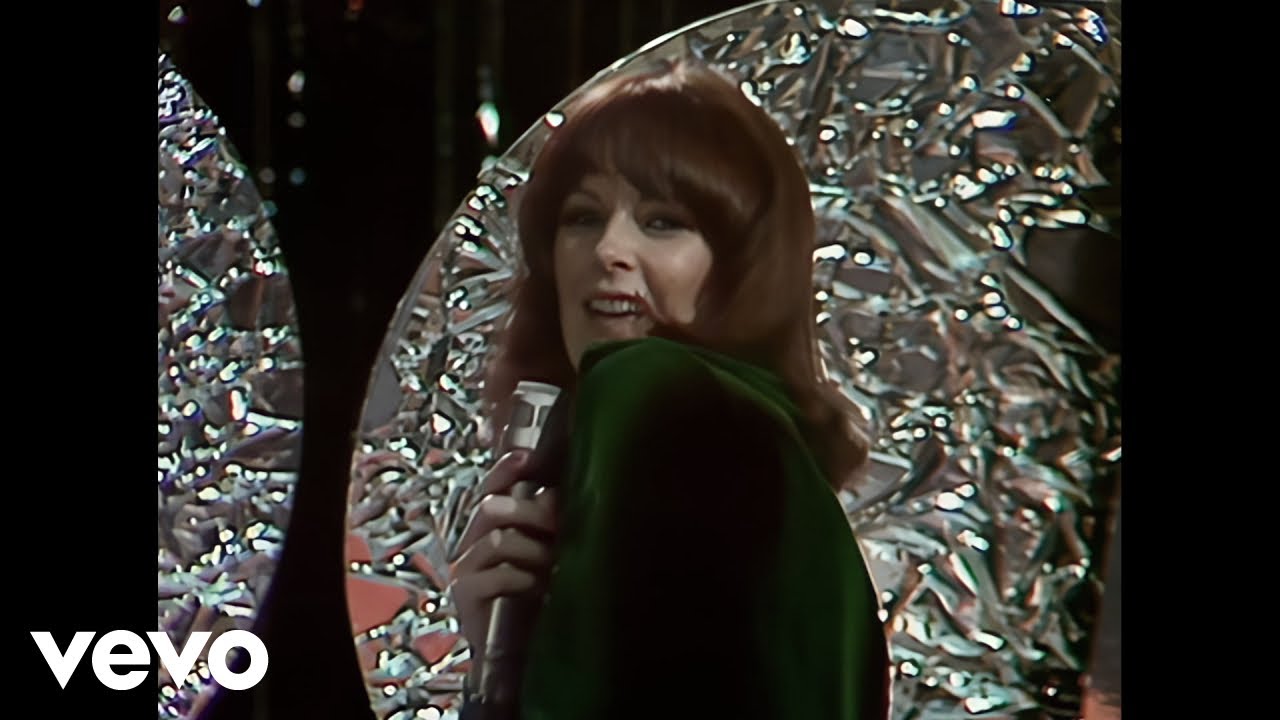
That is the machinery this performance belongs to. By 1976 ABBA had understood something about themselves that the British music press took another year to accept: they were a television act as much as a recording one, four people who looked extraordinary on camera at the precise moment colour television was becoming standard in every market they wanted. The Australian special is where that became undeniable, and So Long — a song that had commercially failed everywhere eighteen months earlier — is in the set.
Britain came round in the end, and quickly. SOS reached the UK Top 10 in the autumn of 1975 and Mamma Mia went to No.1 in January 1976, beginning a run of eighteen consecutive Top 10 singles. From that point the flop that opened the sequence disappeared from the story entirely, which is what usually happens to the records that do not work.
It is worth putting back, because the interesting version of ABBA is not the one where a Eurovision win leads inevitably to global domination. It is the one where the follow-up failed in every market that mattered, where the song that rescued them sat on a shelf for seven months, and where the breakthrough arrived from Australia rather than from London or New York. So Long is the sound of a band being right about themselves eighteen months before anybody else agreed.
SONG INFORMATION
Artist: ABBA
Song: “So Long”
Album:ABBA
B-side: “I’ve Been Waiting for You”
Released: November 18, 1974
Recorded: August 22–23, 1974
Studio: Glen Studio, Stocksund, Sweden
Label: Polar (Sweden); Epic (UK); RCA Victor (Australia)
Songwriter(s): Benny Andersson, Björn Ulvaeus
Producer(s): Benny Andersson, Björn Ulvaeus
Length: 3:09
Performance: ABBA Down Under, television special, 1976