





Ram Jam – Black Betty
The band in the Black Betty video never played on the record, and the song had been sung on a Texas prison farm decades before either band existed.
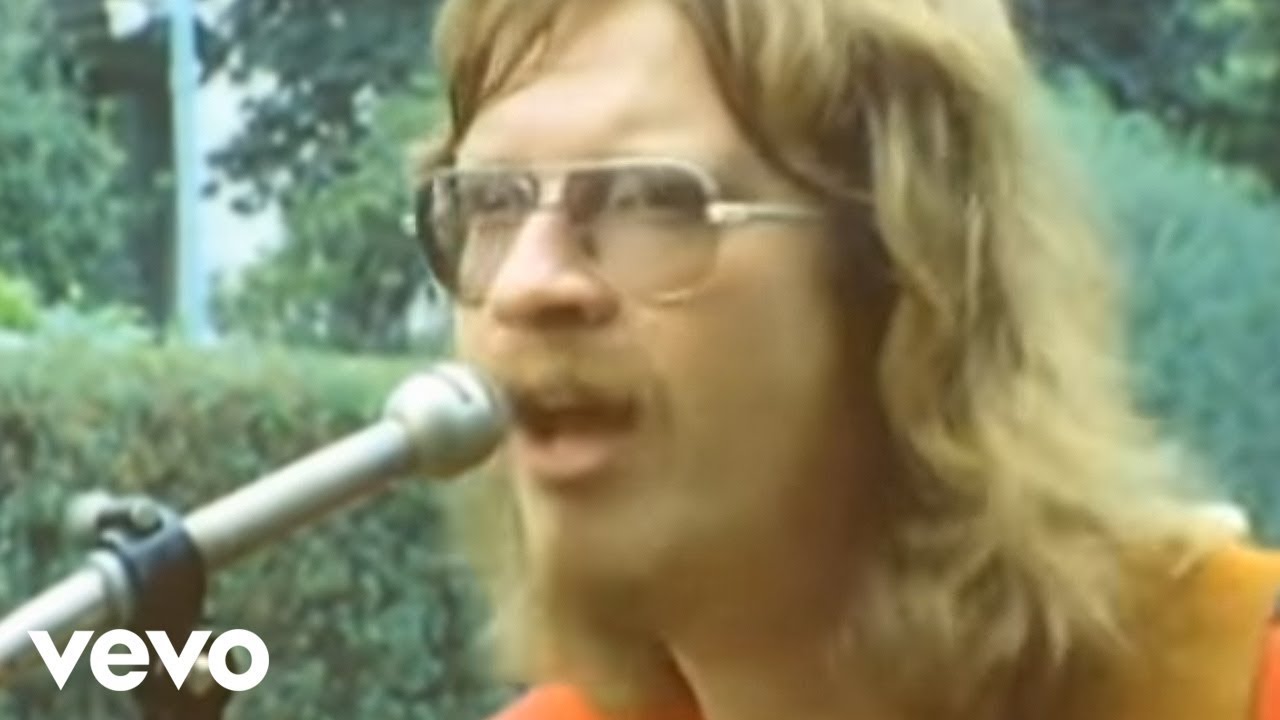
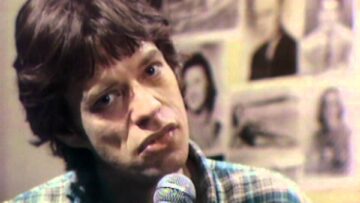
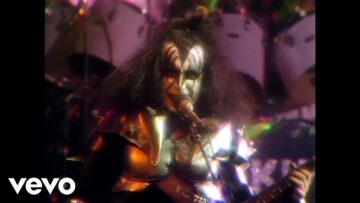
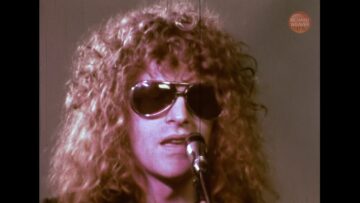
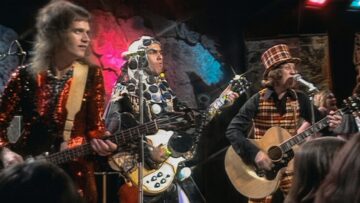
Five musicians mime Black Betty in Ram Jam’s 1977 promotional film, and only one of them is on the record. Bill Bartlett, the guitarist and singer, cut the track two years earlier in Ohio with a band called Starstruck. Ram Jam was assembled afterward, in New York, as a lineup to sell it. “Ram Jam did not cut Black Betty,” Bartlett said. “It was Starstruck.” The song itself was older than both bands, and in the four decades before Bartlett plugged in, it had already been a prison work song, a folk staple and a Lead Belly record.
Keep watching: More 70s music videos →
In December 1933, John and Alan Lomax recorded James “Iron Head” Baker and other prisoners singing it at Central State Farm in Sugar Land, Texas. Baker was 63 and couldn’t claim to have written it; the song had been passed around long before anyone recorded it. Who Betty was has never been settled. The Lomaxes’ 1934 book said she was the whip used in Southern prisons. A former prisoner told Alan Lomax she was the transfer wagon that took men to the penitentiary. In Benjamin Franklin’s 1736 Drinker’s Dictionary, a man who had kissed black Betty was drunk. Lead Belly made the first commercial recording in New York in April 1939 for Musicraft. He sang it a cappella, with hand claps where the hammer blows had been.
Bartlett had already been on a No.1 record. He played guitar with the Lemon Pipers on Green Tambourine, which topped the Billboard chart in February 1968. By the mid-1970s he was back in Oxford, Ohio, with Starstruck. He rebuilt the song around a choppy, Southern-style riff and added two verses of his own. Starstruck released it in 1975 on its own Truckstar label, with Bartlett’s I Should Have Known on the B-side, and it became a hit in Ohio without spreading any further. Producers Jerry Kasenetz and Jeffry Katz, the team behind the late-1960s bubblegum hit factory Super K, heard a bigger record in it. They put a New York band around Bartlett, with Myke Scavone on lead vocals, Howie Blauvelt on bass and Pete Charles on drums, then edited and processed the Starstruck track and took it to Epic.
A new name on an old record
Epic released it in March 1977 as 8-50357, crediting the song to H. Ledbetter, with Kasenetz and Katz as producers and Bartlett’s B-side unchanged. The Billboard Hot 100 took it to No.18, and Cash Box to No.14. Britain went further. The Official Singles Chart picked it up on September 10, 1977, and ranked it No.7 on October 29, over a twelve-week run. Australia took it to No.3, the Netherlands to No.4, and Ireland and New Zealand to No.8. The video put a face on the record: a five-man Ram Jam, with Jimmy Santoro on second guitar, playing a track that four of them hadn’t cut.
The record also met opposition. In its August 27, 1977 issue, Cash Box reported that disc jockeys and promotion staff considered it insulting to Black women and were trying to keep it off the air, and the NAACP and the Congress of Racial Equality called for a boycott. Bartlett has since said his own verses are about Bettie Page, the 1950s pin-up model. He said he had no idea what Lead Belly meant, and that listeners can read the song however they like. The argument came back in 2006, when the University of New Hampshire banned the record at hockey games. Students campaigned to bring it back, and it returned to the rink in 2013.
Ram Jam couldn’t follow it up. Their 1978 album, Portrait of the Artist as a Young Ram, went nowhere, and the band dissolved. Blauvelt, who had played bass alongside Billy Joel in the 1960s, died in 1993, and Charles died in 2002. Bartlett moved on to boogie-woogie piano and a quiet life in Indiana. The song kept going without any of them. It turned up in films and at sports arenas, and in 2004 the Australian band Spiderbait took its own hard-rock version to No.1 on the ARIA chart.
Each of those layers explains the next. A work song nobody could claim became a Lead Belly record and a writing credit. An Ohio bar band’s single became a New York band’s hit with a new name on it. What Ram Jam sold in 1977 was mostly packaging: a name, a video and five faces in front of a track that already existed. The packaging is what lasted. Most people who still know the record think of it as Ram Jam’s, while the song itself goes back to the Sugar Land prison farm and remains one nobody can claim.
SONG INFORMATION
Enjoyed this one? New forgotten gems every day — tap Music Videos Club below to visit and follow us on Facebook: