




Jefferson Airplane – White Rabbit
Everyone filed it as a drug song, but Grace Slick wrote it at the parents who read their children Alice in Wonderland and then asked where they got their ideas.
Grace Slick has spent decades explaining that White Rabbit was never really aimed at the young people taking drugs. She wrote it at their parents. Her complaint, as she has described it to one interviewer after another, was with a generation that kept a glass of scotch in hand through the evening, read its children stories in which a girl swallows unlabeled potions and takes advice from a hookah-smoking caterpillar, and then asked where the children had picked up such ideas. The song most listeners filed as a drug song was written as a reply.
Keep watching: Jefferson Airplane – Somebody to Love (Live at Woodstock) · explore more →
The reply had been forming for years. Slick, born Grace Barnett Wing in Highland Park, Illinois, on October 30, 1939, grew up having Alice’s Adventures in Wonderland read to her, and its images stayed vivid long after. Around 1963, living in San Francisco with her husband Jerry Slick and his brother Darby, she took LSD and put on Miles Davis’s Sketches of Spain, and by her own account she kept it playing for a full day. She wrote White Rabbit in December 1965 or January 1966 for the Great Society, the band she had formed with the Slick brothers.
Musically, she has insisted, it owes almost nothing to rock. She calls it an extension of Sketches of Spain and Ravel’s Boléro, and says the song is “not anywhere near rock.” Like Boléro, it is one long crescendo, a march rhythm and a bass line that climb for two and a half minutes toward a single shouted command at the summit. The lyric names Alice, the White Rabbit, the caterpillar, the White Knight, the Red Queen and the Dormouse, and never says outright what any of them stand for.
Two weeks in
The Great Society released only one single, and it was not this song. In the fall of 1966 Slick joined Jefferson Airplane in place of Signe Anderson and brought two Great Society songs with her: her own White Rabbit and Darby Slick’s Somebody to Love. About two weeks after she joined, the band was at RCA Victor’s studio at Sunset and Ivar in Hollywood making Surrealistic Pillow with producer Rick Jarrard. Jack Casady remembered cutting White Rabbit in a cavernous room built for orchestral sessions, on November 3, 1966.
RCA released Somebody to Love first, and the Hot 100 took it to No.5. White Rabbit followed on June 24, 1967, backed with Plastic Fantastic Lover, and peaked at No.8 in the summer the press would label the Summer of Love. Slick said that when RCA reported each week’s chart position, she barely paid attention.
Sunday morning in Bethel
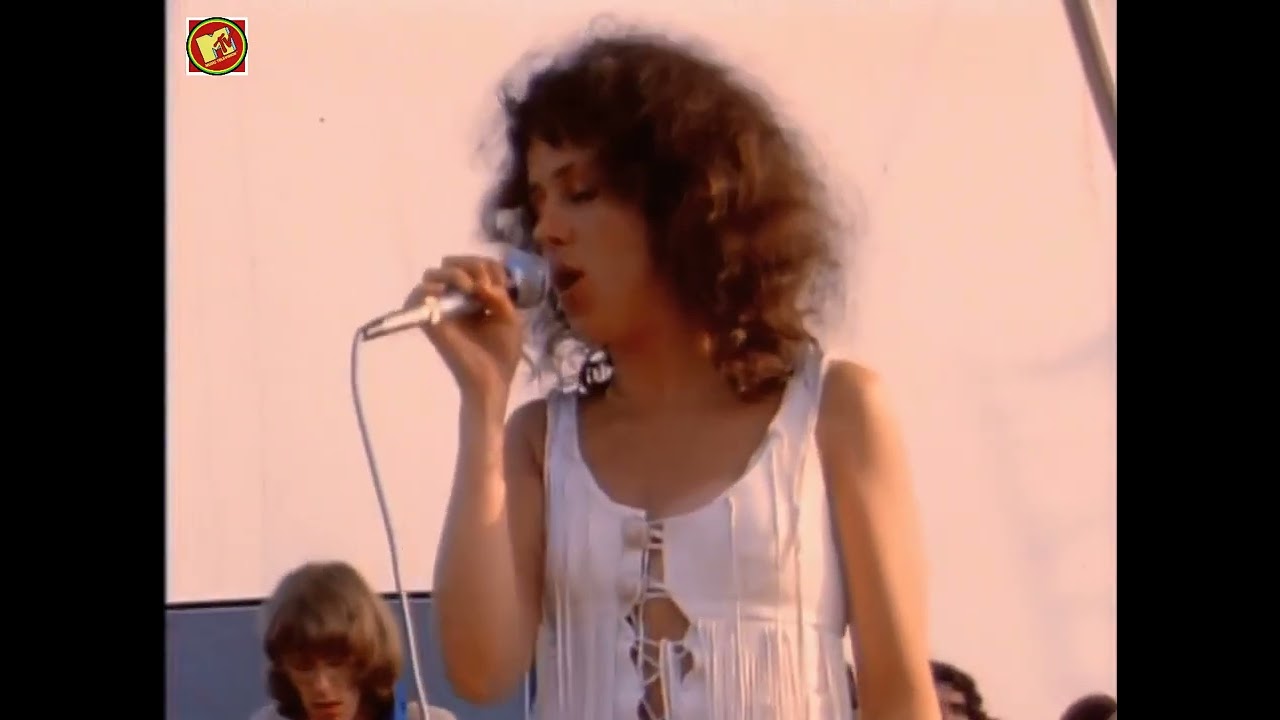
By 1969 the song had become a closing number. Jefferson Airplane were billed to headline Woodstock’s Saturday night and walked on instead after the Who, on the morning of Sunday, August 17, with Nicky Hopkins on piano. Slick welcomed the exhausted crowd with a promise of what she called morning maniac music, and White Rabbit arrived in the encore, second to last. The band members later agreed it was not their finest set, and the 1970 Woodstock film left the band out over the quality of its footage. Their complete performance did not reach a release until 2009.
Slick has since said her one complaint about the song is that the lyric could have been stronger. It has outlived the worry. The Grammy Hall of Fame inducted it in 1998, film soundtracks keep licensing it, and its royalties still support her, retired from music and painting. The parents she wrote it at are mostly gone, and the stories they read are still on the shelf. What survives is not a drug song but the question Slick meant to ask all along, about who handed the bottle to the children first.
SONG INFORMATION
Enjoyed this one? New forgotten gems every day — tap Music Videos Club below to visit and follow us on Facebook: