




Procol Harum – Conquistador
Procol Harum Buried This Song on Their 1967 Debut and Almost Nobody Noticed — Then a Symphony Orchestra Turned It Into Their Biggest Hit Since “A Whiter Shade of Pale”
For five years, “Conquistador” was a song hardly anyone had heard. It sat on Procol Harum’s 1967 debut album, one of several overlooked tracks completely overshadowed by the global phenomenon of “A Whiter Shade of Pale,” and there it might have stayed — a deep cut for devotees. Then, in 1972, the band did something almost no rock group had attempted: they performed it live with a full symphony orchestra, released the recording as a single, and watched a five-year-old album track become the biggest hit of their career since their debut. The version most people know isn’t the original at all. It’s the second life of a song its own band had nearly left for dead.
Keep watching: Procol Harum – A Whiter Shade of Pale
The song’s creation was itself an exception to how Procol Harum worked. Lyricist Keith Reid wrote nearly everything words-first — “99 out of 100 of those Procol Harum songs were written the words first, and then were set to music,” he said. “Conquistador” was the rare reversal. Before the band had even officially formed, pianist and singer Gary Brooker played Reid a piece of music with a distinctly Spanish flavor and asked what it sounded like. “Oh, conquistador,” Reid replied — and went into another room to write the lyric on the spot, a vivid, melancholy meditation on a fallen Spanish conqueror found stranded and defeated. The finished song appeared on the US version of the band’s self-titled debut in 1967. It went largely unnoticed while “A Whiter Shade of Pale,” the Bach-inspired single that had sold over ten million copies, defined the band in the public mind.
Everything changed in Edmonton. On November 18, 1971, Procol Harum took the stage at the Northern Alberta Jubilee Auditorium with the 52-piece Edmonton Symphony Orchestra and the Da Camera Singers — a bold rock-meets-orchestra experiment the band had only a day and a half to rehearse. The resulting album, Procol Harum Live: In Concert with the Edmonton Symphony Orchestra, released in 1972, became their best-selling record, reaching No. 5 on the Billboard 200 and earning a gold disc. Its opening track, the orchestral “Conquistador,” was lifted as a single and transformed from an overlooked rocker into a bombastic symphonic showcase, all rousing brass and Brooker’s soaring vocal. It climbed to No. 16 on the Billboard Hot 100 and No. 22 in the UK, becoming the band’s highest-charting song other than “A Whiter Shade of Pale.” In one of pop history’s stranger coincidences, “Conquistador” hit its No. 16 peak on July 29, 1972 — exactly five years to the day after “A Whiter Shade of Pale” had peaked at No. 5.
The Words Came Second
That success vindicated everything the band had gambled on. Procol Harum were never quite art rock and never quite straightforward rock and roll; they were something in between, steeped in classical and baroque influence but rooted in blues and R&B. The Edmonton album proved they were no one-hit wonder, and that their instinct to fuse rock with orchestration — an approach they’d pioneered as early as a 1969 concert with the Stratford Festival Orchestra, before Deep Purple and others followed — could produce genuine popular success, not just critical respect. Brooker later named his vocal performances on the Edmonton recordings among his finest, the adrenaline of singing over a full orchestra pushing him past what he managed in the studio.
The Band Alone
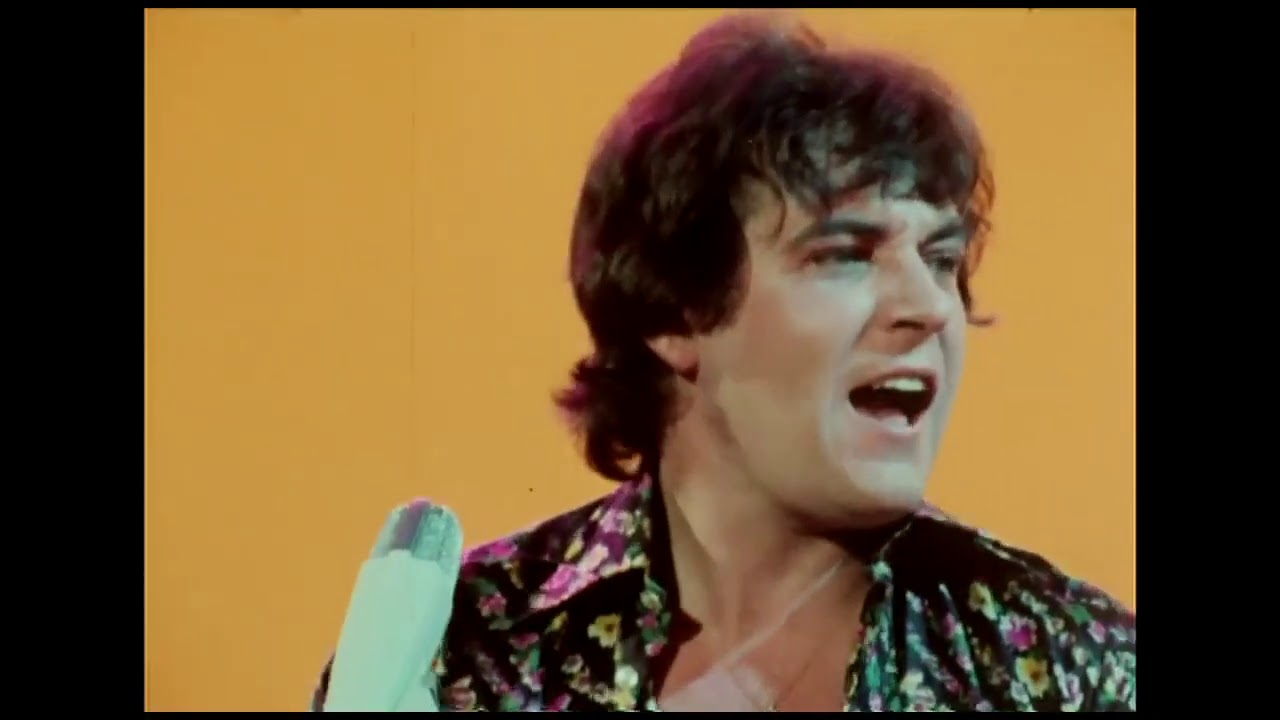
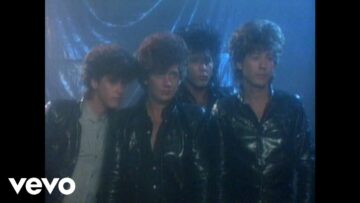
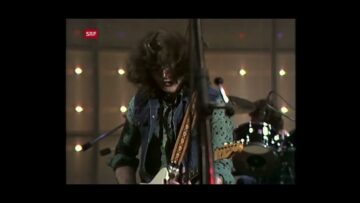
The performance on this page strips all of that away. Captured for Belgian television on RTBF in 1973, it shows Procol Harum playing “Conquistador” as just a band — no orchestra, no choir, the song returned to the five-piece rock form it was born in back in 1967. It’s a fascinating third version of a song that had already lived two very different lives: the overlooked original and the orchestral hit, here reduced to its essentials and driven by Brooker’s voice and piano alone. By 1973 the band’s lineup was in its usual state of flux, but the song’s bones — that Spanish-tinged melody, Reid’s tale of a defeated conqueror — held up without any symphonic dressing. Gary Brooker, the band’s voice and only constant member across every incarnation, kept Procol Harum going in various forms until his death on February 19, 2022, after which the band dissolved for good. Keith Reid, whose words gave “Conquistador” its haunted grandeur, died the following year. What they left behind includes this: a song nobody noticed, rescued by an orchestra, and proven durable enough to stand entirely on its own.