



Led Zeppelin – Since I’ve Been Loving You (Live at Madison Square Garden 1973)
A Slow Blues in C Minor That Took Led Zeppelin Longer to Record Than Any Other Track on the Third Album — and That Jimmy Page Finally Captured the Guitar Solo for on an Unplugged Amplifier He Found Outside the Studio. Three Years Later, the Cameras at Madison Square Garden Filmed It for The Song Remains the Same.
Since I’ve Been Loving You is, by all internal Led Zeppelin accounts of the recording sessions for the band’s third studio album, the song the four men in the room found hardest to make work. Jimmy Page said as much in a 1993 interview with Brad Tolinski of Guitar World — twenty-three years after the record had been finished — describing the track as the most difficult on the album to commit to tape. The basic idea had been worked out the previous year, during the sessions for Led Zeppelin II, when the band had run a version of the song that was eventually bumped from the second album in favour of Whole Lotta Love. By the time the four men returned to it for the third album sessions in the spring and summer of 1970 — recording at Headley Grange in Hampshire on the Rolling Stones’ Mobile Studio, then mixing at Olympic and Island Studios in London, and finally mastering at Ardent Studios in Memphis with Terry Manning — the band had been performing the song in live shows for nearly a year. They had done it at the Royal Albert Hall on January 9, 1970, in front of cameras that filmed the entire show; the performance survives, but the keyboards did not make it cleanly onto the mix tape, which is why the song was excluded from the 2003 official Led Zeppelin DVD. By the time of the album sessions, in other words, the band had played the song live multiple times. It still resisted them in the studio.
The song is a slow blues in C minor — the only slow blues on Led Zeppelin III and the most direct stylistic reference on the entire record to the American electric blues catalogue the band had been drawing from since the 1968 formation in London. Robert Plant’s vocal moves through his full three-octave range across the seven and a half minutes of the track, building from a low restrained opening verse through to the song’s two climactic peaks where his voice breaks into the upper register and stays there. John Paul Jones played Hammond C-3 organ throughout the song, using the bass pedals on the Hammond rather than a bass guitar — a substitution that put the bottom of the arrangement onto the same instrument carrying the chord pads, producing the dense low end of the recording without any actual bass guitar appearing on the track. John Bonham’s drums sit underneath the arrangement at the typical loose-but-locked Bonham tempo. His preferred kick-drum pedal — a Ludwig Speed King model 201 — squeaks audibly throughout the recording, a mechanical detail Led Zeppelin fans have nicknamed the “Squeak King” in the decades since. The squeak is on every version of the song from 1970 forward. The band kept it in the mix.
The Guitar Solo, the Unplugged Amplifier, and the Terry Manning Endorsement
Jimmy Page’s lead guitar solo on the studio recording is the moment that the song’s reputation has been built around. The story of how the solo was finally captured — told by engineer Terry Manning to multiple Led Zeppelin chroniclers in the decades since — involves Page reaching a point of self-critical paralysis after a series of failed takes during which he could not get the guitar tone he was looking for. Page reportedly left the recording area to walk around the studio and clear his mind. Outside the live room, sitting unused on the floor of a corridor, was an amplifier that had not been plugged into anything. Page came back into the studio, set up the unplugged amplifier — by some accounts simply listening to the natural acoustic response of the speakers rather than running an electrical signal through them — and recorded the solo we hear on the released track. Manning, who had mixed and mastered the album, called the result the best rock guitar solo of all time. The phrase has been quoted back at Led Zeppelin records for fifty-five years.
Led Zeppelin III was released by Atlantic Records on October 5, 1970, and reached number one on both the UK Albums Chart and the US Billboard 200 within weeks of release, despite a contemporary critical reception that was sharply divided. The Rolling Stone reviewer Lester Bangs — who had been writing skeptically about the band since their 1968 debut — dismissed Since I’ve Been Loving You as the album’s required slow and dull blues jam, the kind of seven-minute blues number that he believed every rock album of the period now felt obligated to include. The Bangs review did not affect the album’s commercial trajectory. Led Zeppelin III has since been certified six-times platinum by the Recording Industry Association of America. Since I’ve Been Loving You became one of the band’s permanent live-set fixtures. It would remain in the Led Zeppelin live setlist on every tour the band performed from October 1970 until John Bonham’s death in September 1980.
The Madison Square Garden Run, the Three Nights, and the Film
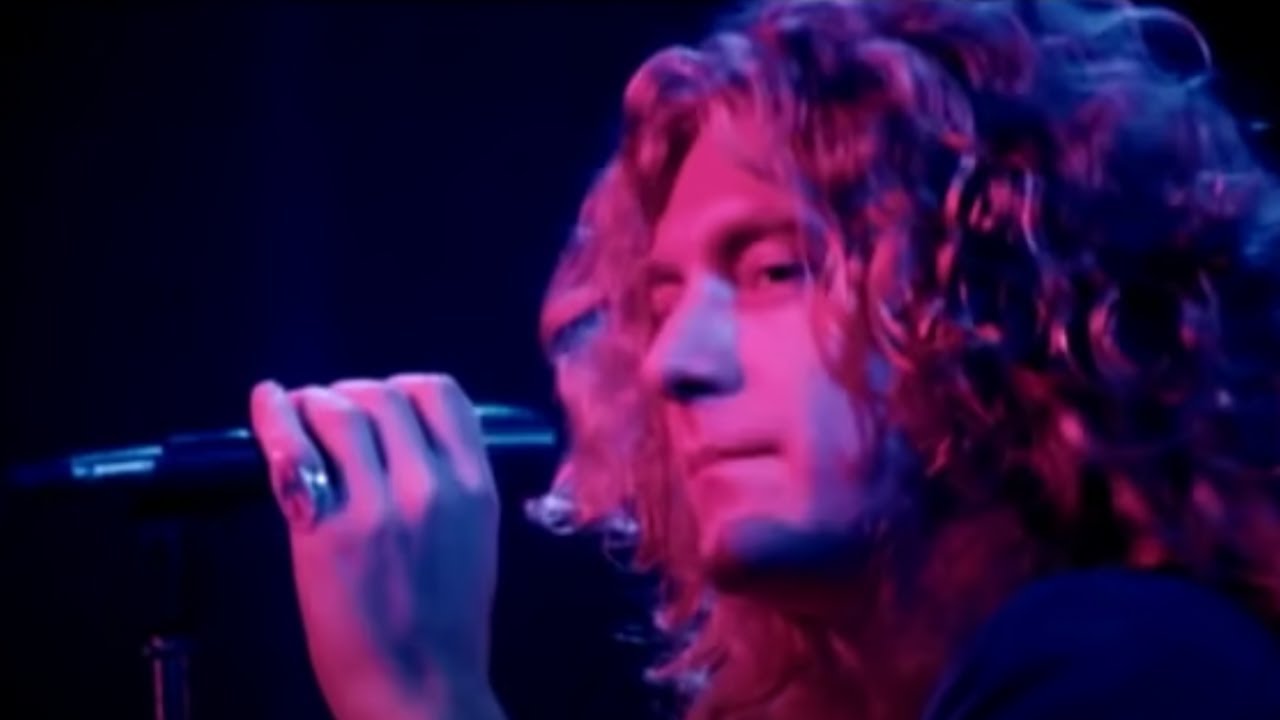
The performance featured here was filmed at the closing three-night run of Led Zeppelin’s 1973 American tour — Friday July 27, Saturday July 28, and Sunday July 29, 1973, three consecutive nights at Madison Square Garden in New York. The 1973 American tour had, by the time the band arrived in Manhattan for the final shows, shattered attendance records that had previously been held in many cases by The Beatles and grossed approximately four million dollars across the run, as Variety reported the week after the closing night. The MSG dates had been booked specifically as the principal filming location for the band’s feature concert film, The Song Remains the Same, which had been in pre-production for over a year. Director Joe Massot’s film crew set up four 35mm Arriflex BL cameras with 400-foot film cartridges on tripods around the stage, plus a 16mm Éclair ACL for insert shots, audience reaction footage, and offstage cutaways. The crew had spent the preceding nights of the tour — beginning around July 23 in Baltimore — taking notes and photographs at each show, learning the song order, the lighting cues, and the band’s stage choreography, so the film crew could move in unison with the band when the cameras finally rolled in New York. The setlist was consistent across the three Madison Square Garden nights: Rock and Roll opening, Celebration Day, the Bring It on Home intro into Black Dog, Over the Hills and Far Away, Misty Mountain Hop, Since I’ve Been Loving You in the sixth song slot, No Quarter, The Song Remains the Same, Rain Song, Dazed and Confused, Stairway to Heaven, Moby Dick, Heartbreaker, Whole Lotta Love, and The Ocean to close. The footage of Since I’ve Been Loving You selected for the finished film was drawn from this run.
The Song Remains the Same opened theatrically on October 20, 1976 — three years after the Madison Square Garden filming, after a long post-production process during which Page, Massot, and replacement director Peter Clifton (who had been brought in to complete the film after Massot left the project) had worked through the dailies, identified the strongest takes of each song across the three nights, and built the finished film around composite performances stitched together from multiple cameras. The accompanying double-LP live soundtrack album was released by Swan Song Records on September 28, 1976, with the same composite-performance approach applied to the audio. The film and album are, as of this writing, the only official live concert document of Led Zeppelin’s original 1968–1980 working life released by the band itself. The Madison Square Garden run on July 27, 28, and 29, 1973, was also notable for what happened off the stage: on the night of July 28, while the band was performing the second of the three concerts, approximately $200,000 in cash and travellers’ cheques was stolen from the band’s safe deposit box at the Drake Hotel on East 56th Street. The robbery has never been solved. The footage filmed on stage that night, however, remains the source material for the most widely seen Led Zeppelin live performance ever made.
SONG INFORMATION
Related videos
 Watch LaterAdded
04:30
Watch LaterAdded
04:30  Watch LaterAdded
03:30
Watch LaterAdded
03:30  Watch LaterAdded
06:49
Watch LaterAdded
06:49