





Rory Gallagher – Wayward Child
Rory Gallagher threw away a finished album to build the trio that plays this song
On Top Priority, Wayward Child runs 3:31. On Stage Struck, the live album drawn from the tour that followed, the same song runs 4:32. A full minute longer, played by the same three men, a matter of months apart. That gap is not padding. It is the song finding the shape it was built for, and it explains why a straightforward rock track from 1979 became one of the fixed points of Rory Gallagher’s live set.
Keep watching: Rory Gallagher – Do You Read Me · explore more →
Chrysalis released Top Priority on September 16, 1979, Gallagher’s eighth studio album and his last for the label. He wrote every track on it and cut the record at Dieter Dierks’ studio outside Cologne across March and April that year, co-producing with Alan O’Duffy. Wayward Child sits third on side one, between the spy-story Philby and the blues of Key Chain, and it is the most direct thing on the album: a riff, a hook, and no ornamentation whatsoever. Gerry McAvoy played bass, Ted McKenna played drums, and the arrangement leaves both of them enormous amounts of room.
The band existed because an album didn’t
That trio was assembled out of a wreck. In December 1977, after a six-month world tour that ended in Japan, Gallagher took his band straight to His Master’s Wheels in San Francisco to make a record with Elliot Mazer, who had produced Neil Young’s Harvest and worked with Janis Joplin and Bob Dylan. Gallagher had wanted to record in America since the start of his career. After weeks of difficult sessions he decided the mixing was not working, and he shelved the entire album. Initial copies had already been pressed.
The fallout was total. Gallagher dismissed keyboardist Lou Martin and drummer Rod de’Ath, keeping only McAvoy, and on the recommendation of engineer Colin Fairley he recruited Ted McKenna out of the Sensational Alex Harvey Band. McKenna made his live debut with Gallagher at the Macroom Mountain Dew Festival in County Cork on June 24, 1978. The reconstituted trio delivered Photo-Finish to Chrysalis in October 1978, so close to the deadline that the album took its name from the fact. Top Priority followed a year later from the same room in Cologne. The scrapped San Francisco tapes stayed in a vault until 2011, when Gallagher’s nephew Daniel remixed them for release as Notes from San Francisco.
Two months before the live album arrived
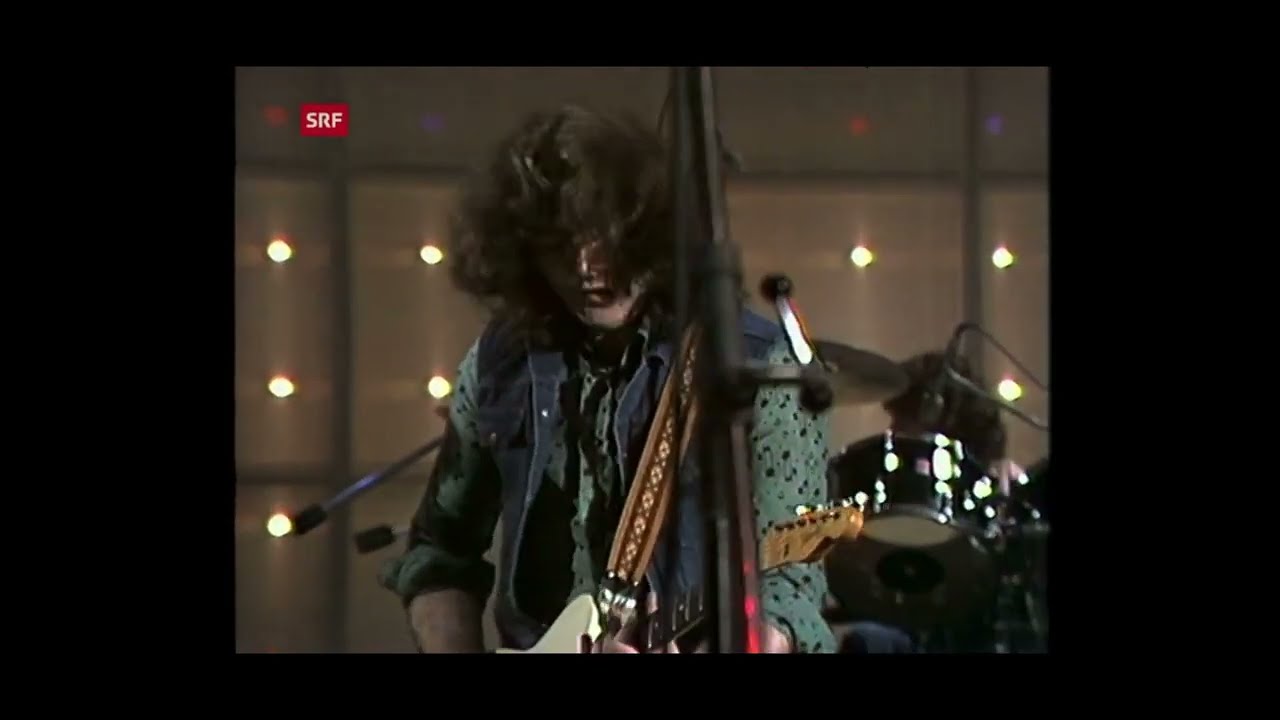
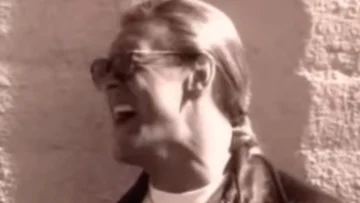
By the summer of 1980 the trio had been working for two years and had spent most of that time on the road. On August 29, 1980, Gallagher, McAvoy and McKenna performed Wayward Child for the Swiss television programme Karussell. It is worth being precise about which performance this is, because the song survives in several broadcast versions and they get conflated: the footage here is the 1980 Swiss appearance, a year after Top Priority arrived and with the touring band at full stretch, not the 1979 concert film that also circulates. Chrysalis released Stage Struck on October 24 that year, documenting the tour that had been running since late 1979, with Wayward Child placed second on side one and stretched to that 4:32. The television appearance sits in between: the song in its live form, two months before the record that made that form official.
Television performances carried unusual weight for Gallagher. He sold albums and filled halls without ever building a singles career, which meant that European broadcast slots were, for a lot of people, the first time they saw what the records were only reporting. He played guitar hard enough that the finish had come off the front of his 1961 Stratocaster, and no studio mix from the period quite catches what that looked like.
The minute that Wayward Child gains on stage is the argument for everything Gallagher did in 1978. He walked away from a finished album made in the country he had always wanted to record in, with a producer whose credits he admired, and rebuilt around two musicians and no keyboards. The studio version of the song is a sketch of an idea. The trio is the idea itself.
SONG INFORMATION
Enjoyed this one? New forgotten gems every day — tap Music Videos Club below to visit and follow us on Facebook:
Related videos
 Watch LaterAdded
05:29
Watch LaterAdded
05:29  Watch LaterAdded
02:58
Watch LaterAdded
02:58  Watch LaterAdded
04:13
Watch LaterAdded
04:13