They had America’s best-selling album of 1994 and no number one at home until this
Ace of Base had the best-selling album in the United States in 1994. It went nine times platinum, produced three number ones on the Billboard Mainstream Top 40, and made four people from Gothenburg into one of the biggest pop acts on the planet. They had never had a number one single in Sweden. That changed on October 2, 1995, when Lucky Love entered the Swedish chart at the top and gave them their first chart-topper in their own country, on their fifth worldwide single.
Mega Records released it as the first European single from The Bridge, the group’s second album. Jonas Berggren wrote it with Billy Steinberg, an American whose credits by then included Like a Virgin, True Colors and Eternal Flame — a name nobody expected to find on a Swedish pop record. Berggren produced it at Cheiron Studios in Stockholm alongside Denniz PoP and Max Martin. The result runs 2:52, carries the reggae lilt the group had built its sound on, and describes being young and in love as something you remember rather than something you are doing.
Max Martin, before anyone knew the name
That production credit reads differently now than it did at the time. Max Martin was a few years out of a Swedish rock band, working under Dag Volle, who recorded as Denniz PoP and who was quietly assembling at Cheiron the most productive pop songwriting operation of the following decade. Beautiful Life, the other single Cheiron cut for The Bridge, became Martin’s first American hit. Within four years he was writing for Britney Spears and the Backstreet Boys and the entire architecture of late-nineties pop ran through that studio. In 1995 he was a junior partner on an Ace of Base single.
Lucky Love went to number one in Finland as well as Sweden, reached number two in Denmark, thirteen in Germany and twenty in the United Kingdom, and made the top ten in Belgium, Canada, France, Hungary and Spain. Arista chose the more up-tempo Beautiful Life to lead the album in America instead, so Lucky Love arrived there second, in an acoustic version with its own separate video, and reached number thirty on the Hot 100 while topping the Hot Dance Club Play chart. The song had already been heard by a considerable audience before any of that: the group performed it publicly for the first time on August 4, 1995, at the opening ceremony of the World Championships in Athletics in Gothenburg, two months before release.
Nearly two minutes nobody saw
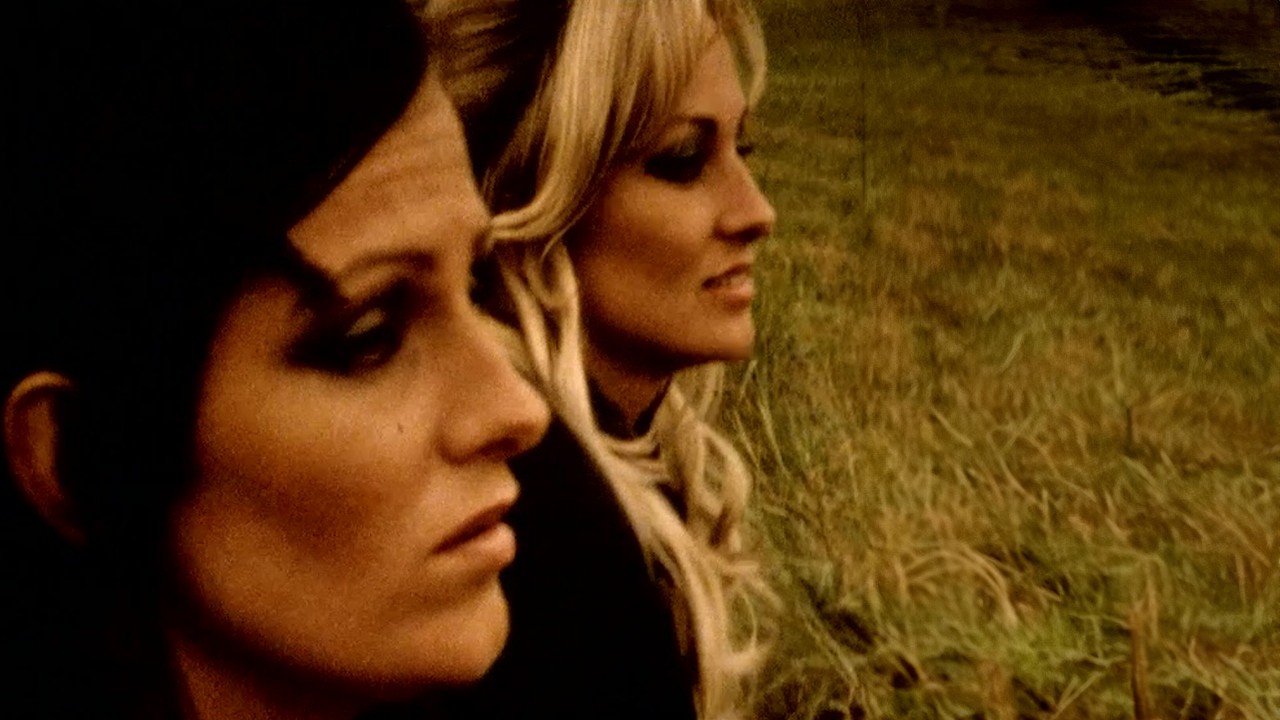
The video here is not the one that circulated in 1995. Ace of Base premiered it on their official channel on August 28, 2026, cut to a mix from Lucky Love (The Remixes), and it is built on the original 1995 film. The difference is the running time. The version released at the time lasts 2:52. This one lasts 4:50, which means close to two minutes of what is on screen did not appear in the edit anyone saw thirty years ago.
There is a reason that material is worth having. The Bridge is the only Ace of Base album with substantial writing, production, vocal and harmony work from all four members, and the window in which it was made turned out to be narrow. The group kept releasing records into the late nineties and beyond, but the configuration that made this one did not hold, and footage from the period has a value that had nothing to do with anyone’s intentions in 1995.
The Swedish number one is the detail that reframes the rest. A group can be enormous everywhere else and still be waiting for the verdict at home, and Ace of Base waited through the biggest album in America to get it. Lucky Love is a modest, unhurried pop record about remembering how something felt, made by three producers who between them were finishing one era of Swedish pop and starting the next. It arrived at number one in Gothenburg’s own country, which was the one place the group had left to win.
SONG INFORMATION
Artist: Ace of Base
Song: “Lucky Love”
Album:The Bridge
Released: October 2, 1995
Recorded: 1995
Studio: Cheiron Studios, Stockholm
Label: Mega Records
Songwriter(s): Jonas Berggren, Billy Steinberg
Producer(s): Denniz PoP, Max Martin, Jonas Berggren
Length: 2:52
Chart Performance: No. 1 Sweden and Finland; No. 2 Denmark; No. 13 Germany; No. 20 UK; No. 30 US Hot 100; No. 1 US Hot Dance Club Play