The name on the songwriting credit belongs to a woman who wrote none of it. The man who did wrote it because of her.
Look at an early pressing of this record and the writing credit reads Bennie Benjamin, Sol Marcus, and Gloria Caldwell. Caldwell did not write a note of it. The melody and the chorus line came from Horace Ott, an arranger who had just had a bad falling-out with the woman he was seeing, and the woman he was seeing was Gloria Caldwell. Her name went on the paperwork; his went on later reference works; the disagreement between the two has been confusing discographies for sixty years.
Ott took what he had to Benjamin and Marcus, two professional songwriters who finished it, and Philips released Nina Simone’s recording in October 1964 on Broadway-Blues-Ballads. It went nowhere. The Animals cut a rougher, faster version the following year that reached No. 15 in America and No. 3 in Britain, and their arrangement — the descending organ figure, the coiled build — is the one everybody has copied since. Bruce Springsteen told an audience at South by Southwest in 2012 that the riff had given him Badlands.
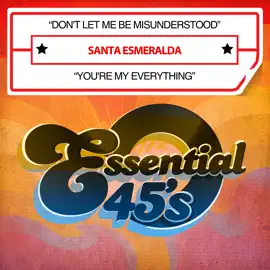
Twelve years after the Animals, two French songwriter-producers named Nicolas Skorsky and Jean Manuel de Scarano set up a label in Paris on the premise that they would assemble acts to record their own material. They met an American singer and saxophonist named Leroy Gómez and built a group around him, and the first thing that group recorded was somebody else’s song, arranged the way a third party had arranged it. What Santa Esmeralda added was flamenco guitar, congas, hand percussion and a four-on-the-floor kick, and they let it run for the entire first side of the album. Fauves Puma issued it in France in 1977, it sold immediately across Europe, and Casablanca picked it up for the rest of the world.
A cover of a cover, by a band that was assembled
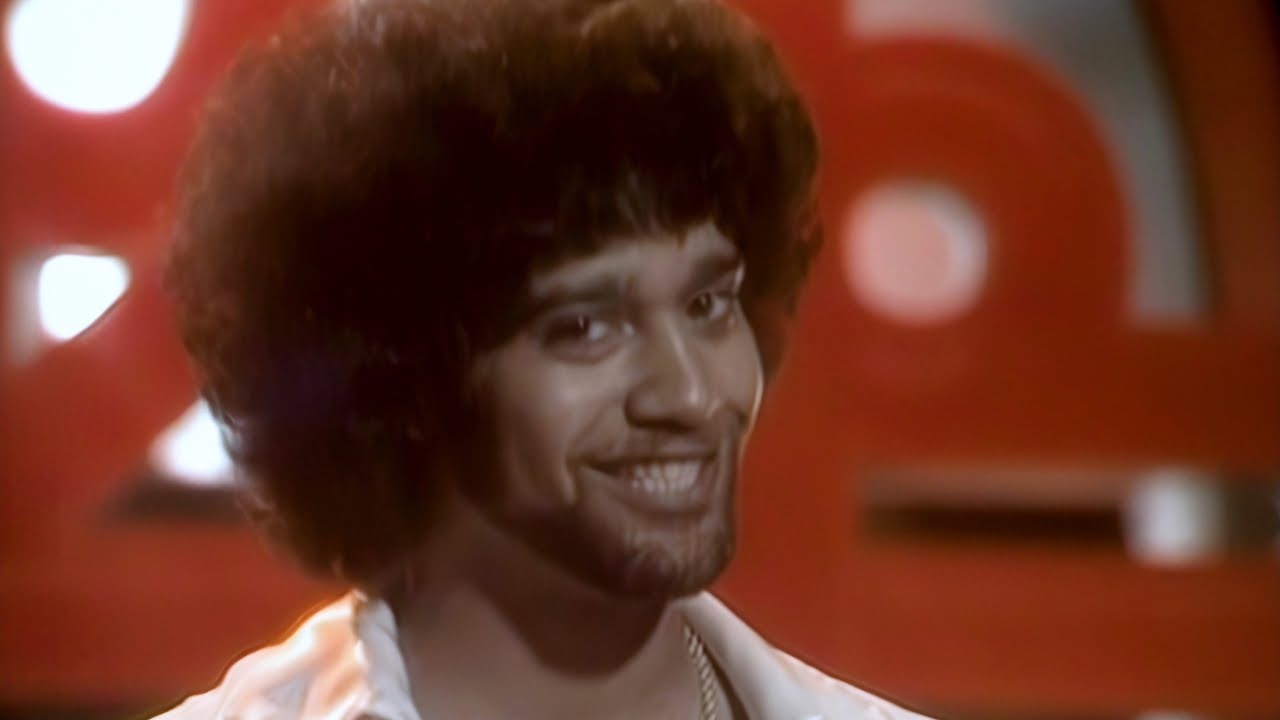
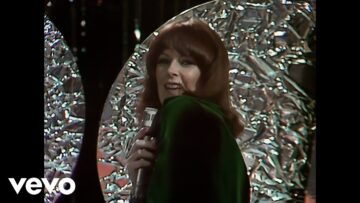
The TopPop footage catches the group at the only moment it existed in this form. Gómez fronts it, in the costume the record’s flamenco framing demanded, and the Dutch broadcaster’s cameras do what they always did — push in close, cut fast, treat the studio floor like a nightclub. He was gone within about a year. Jimmy Goings replaced him for everything that followed, which means the voice on the biggest record the group ever made belonged to a man who sang on exactly one of its albums.
The 7-inch edit reached No. 15 on the Billboard Hot 100 in early 1978, the same position the Animals had reached with it thirteen years earlier. The Netherlands took it to No. 5, Australia to No. 7, and Britain, which had put the Animals at No. 3, could manage only No. 41 for the disco version. Then Quentin Tarantino used it in Kill Bill: Vol. 1 in 2003, under a sword fight in a snow-covered garden, and a new generation found the record without any idea that it was a cover, or that the cover was of a cover.
Almost nothing about this recording is first-hand. The song belongs to a man whose name was not on it, the arrangement belongs to a British band who did not write it, the group was assembled by two producers to perform material they had not composed, and the singer left before the follow-up. What holds it together is that every substitution in the chain was made by someone paying close attention to what the previous version had gotten right. Three completely different records, three separate audiences, one set of chord changes written down in anger by an arranger having a bad week with his girlfriend.
SONG INFORMATION
Artist: Santa Esmeralda featuring Leroy Gómez
Song: “Don’t Let Me Be Misunderstood”
Album:Don’t Let Me Be Misunderstood
B-side: “You’re My Everything”
Released: 1977
Recorded: 1977
Label: Fauves Puma (France); Casablanca (US)
Songwriter(s): Bennie Benjamin, Horace Ott, Sol Marcus — credited on early labels as Gloria Caldwell
Producer(s): Nicolas Skorsky, Jean Manuel de Scarano
Length: 3:45 (7-inch single)
Original Release: Nina Simone, October 1964, from the album Broadway-Blues-Ballads
Chart Performance: US Hot 100 No. 15; Netherlands No. 5; Australia No. 7; UK No. 41
Performance: TopPop, AVRO, Dutch television, with Leroy Gómez






![Eric Clapton – I Shot The Sheriff [Crossroads 2010] (Official Live Video)](https://musicvideosclub.com/wp-content/uploads/2026/09/eric-clapton-i-shot-the-sheriff-360x203.jpg)