Peru’s high plains, New York poise—how a borrowed melody found its forever home
When “El Condor Pasa (If I Could)” appeared on Bridge Over Troubled Water in 1970, it sounded both ancient and freshly cut. The song traces back to a Peruvian stage work, yet in Simon & Garfunkel’s hands it arrives with measured calm: a drifting melody set against crisp acoustic textures and a lyric that turns life into a set of deliberate choices. You hear a duo at peak balance—one voice steady and conversational, the other lifting like light off glass.
The studio recording is a model of restraint. Andean colors—quena, charango, panpipes—are not pasted on as exotic garnish; they’re woven into the frame so that breath, wood, and string feel like a single instrument. Roy Halee’s engineering keeps air around the notes, letting tones decay naturally and giving the track its open, high-altitude feel. Nothing oversells; everything breathes.
Paul Simon’s English lyric works by parable: each preference—hammer over nail, forest over street—suggests agency without sermon. Set inside the modal sway of Daniel Alomía Robles’s melody, the words do not bend the tune to American folk clichés; they sit within its contours, translating mood rather than importing one. That’s why the piece travels so gracefully between versions, from record to stage to television, and still feels whole.
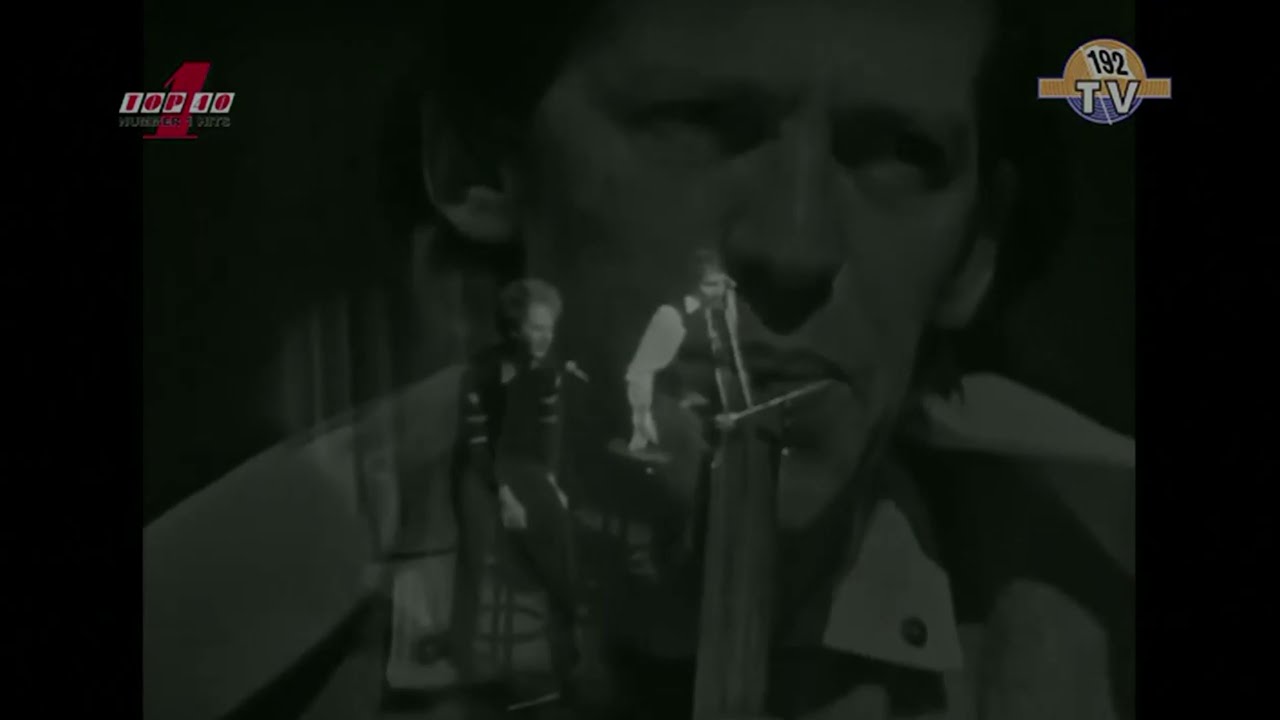
Credit lines tell their own story. The source melody stems from Robles’s early-20th-century composition; Simon’s English lyric and the arrangement lineage that routes through Jorge Milchberg and Los Incas knit Peru to Paris to New York in a single arc. On the record, Simon and Garfunkel produce alongside Halee, whose glass-clear balances leave room for the Andean instruments to breathe as equals rather than ornaments. When the duo carried the piece to European television in March 1970, they pared it back to two voices and one guitar, and the song held its shape—the refrain’s gentle affirmations landing with the inevitability of muscle memory.
Across decades, the track has moved as its origins imply: across borders, between languages, through arrangements. What remains constant is the poise—an American duo acting as careful stewards of a melody that predates them, tracing its outline cleanly and stepping aside so listeners can see the mountain.
Musicians:
Paul Simon — lead vocal, acoustic guitar
Art Garfunkel — harmony vocal
Los Incas — Andean instruments on the original studio recording