







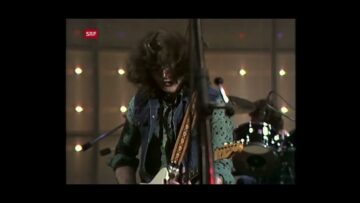

Texas – I Don’t Want A Lover
The First Song She Ever Wrote While Cutting Hair
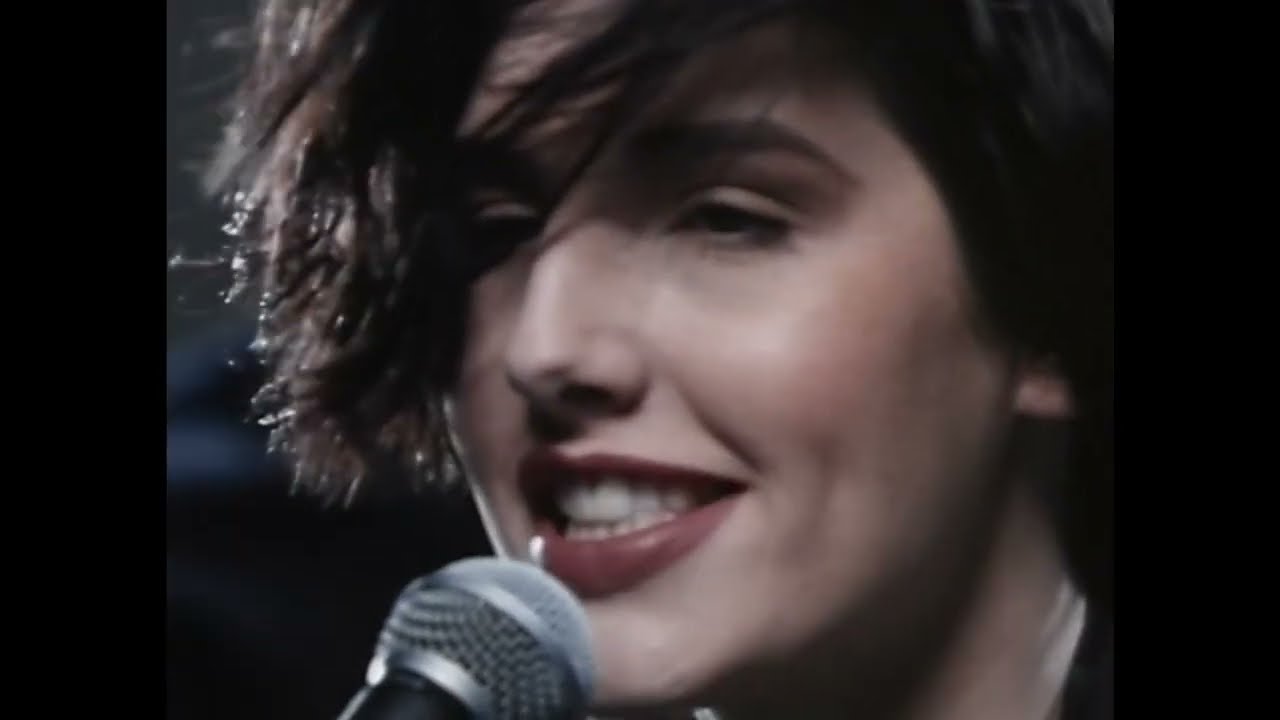
Released in January 1989 as the debut single from their first album Southside, Texas’ “I Don’t Want a Lover” peaked at number eight on the UK Singles Chart and reached number seventy-seven on the Billboard Hot 100 in September, making the Scottish band immediate international sensations. The song also hit number four in Australia, cracked the top ten in New Zealand and Ireland, and helped propel Southside to number three on the UK Albums Chart where it earned gold certification within three weeks of release. What most fans don’t know is that this was the very first song lead singer Sharleen Spiteri ever wrote, collaborating with bassist Johnny McElhone shortly after he recruited her from the Glasgow hair salon where she worked. Spiteri was still cutting hair when the single exploded, and she’d continue hairdressing for another eighteen months after the band formed because she needed the money, never imagining that a throwaway line from her audition would become an international breakthrough.
The single debuted in the UK on January twenty-eighth, 1989, and climbed to number eight by mid-February, spending eleven weeks on the chart. The track became one of the year’s defining debuts, establishing Texas as the most successful new Scottish band since Simple Minds. In Australia, it peaked at number four and spent thirteen weeks in the top fifty. The song reached number thirteen in New Zealand and number nine in Ireland. In the United States, it entered the Billboard Hot 100 in late August and peaked at seventy-seven in September, making Texas one-hit wonders in America despite their continued European dominance. The parent album Southside reached number three in the UK within weeks and was certified gold on March twentieth, 1989, eventually selling over two million copies worldwide. Record Mirror’s Phil Cheeseman dismissed it as derivative in February 1989, but audiences disagreed completely, making the song inescapable on radio throughout spring and summer.
Johnny McElhone, veteran of Altered Images and Hipsway, founded Texas in 1986 after his previous band’s Top Twenty US hit “The Honeythief.” He recruited Spiteri after hearing her sing Culture Club’s “Do You Really Want to Hurt Me” during her audition, later telling Mojo magazine her voice was unbelievable. The pair started writing immediately, with “I Don’t Want a Lover” emerging as their first collaboration. Spiteri admitted to the Daily Telegraph in 2013 that she was obsessed with wanting more than just physical attraction, craving mental connection and friendship alongside romance. The song captured her reluctance to commit when the emotional foundation wasn’t right, a sentiment that resonated universally despite coming from a twenty-one-year-old hairdresser with zero songwriting experience. The band took their name from Wim Wenders’ 1984 film Paris, Texas, with its Ry Cooder slide guitar score heavily influencing lead guitarist Ally McErlaine’s playing style on the track.
The band recorded the track at Maison Rouge Recording Studios in London during 1988 with producer Tim Palmer, who’d recently worked with Robert Plant and would later produce Pearl Jam and U2. Engineer Simon Vinestock captured the sessions while Palmer mixed the final product at Ridge Farm Studio. Mercury Records initially wanted Chic’s Bernard Edwards to produce, but that arrangement fell through and Palmer stepped in. The recording featured McElhone on bass, Ally McErlaine and Giuliano Gizzi on guitars with Spiteri handling rhythm guitar, Stuart Kerr on drums, Mark Feltham on harmonica, and Craig Armstrong on keyboards alongside session player Wix. The track opens with McErlaine’s blues slide guitar before the rhythm section kicks in, followed by Spiteri’s husky contralto. Palmer captured a blues-inflected pop rock sound that merged American FM rock aesthetics with Scottish sensibility, creating something that sounded simultaneously familiar and fresh. Spiteri later noted in BBC interviews that the song contained loads of synthesizer that people overlooked because the slide guitar dominated their perception.
Southside arrived in March 1989 on Mercury Records, establishing Texas as immediate commercial successes despite subsequent singles failing to match their debut’s impact. Follow-up “Thrill Has Gone” peaked at sixty, “Everyday Now” reached forty-four, and “Prayer for You” stalled at seventy-three, suggesting the band might be one-album wonders. Their performing debut had occurred in March 1988 at Dundee University, giving them barely a year between first gig and international breakthrough. The album title referenced Glasgow’s Southside neighborhood where they’d formed and rehearsed. Critics praised the album’s blend of rock, pop, and soul influences, though some dismissed Texas as derivative of American college rock. The commercial reality spoke louder, with the album spending months on charts and establishing Texas as arena-ready despite their inexperience. By year’s end, they’d toured relentlessly across Europe while America remained frustratingly resistant beyond that single chart entry.
Norwegian production team Stargate remixed the song in 2001 to promote Texas’ Greatest Hits compilation, with this version reaching number sixteen in the UK on July ninth. That remix introduced the song to a new generation and demonstrated its enduring appeal twelve years after original release. The Greatest Hits compilation itself hit number one, vindicating the band’s long career after the lean middle years. Tony van den Ende directed the original 1989 video, which featured the band performing in stark black and white. The song has remained Texas’ signature track and most-performed song throughout their career spanning over three decades. When Spiteri discussed her favorite Texas songs with The Line of Best Fit in 2024, she described the opening synthesizer line as having a warning sign quality, almost like a barrier before breaking through to the next level. That defensive posture captured in music became the perfect introduction for a band that would sell forty million albums worldwide.
“I Don’t Want a Lover” remains one of the great debut singles in rock history and proof that first-time songwriters sometimes nail it immediately when writing from genuine emotion rather than calculation. Spiteri’s reflection years later that she didn’t really know what she was saying at twenty-one rings true—the best early songs often come from instinct rather than experience, capturing raw feeling before self-consciousness creeps in. McElhone’s instinct to recruit a hairdresser with zero songwriting experience paid off spectacularly, demonstrating that technical skill matters less than emotional authenticity and a unique voice. What began as a twenty-one-year-old’s declaration of independence became the calling card for a band that would dominate European charts for decades, proving that sometimes the best career starts happen when you’re still figuring out who you are and what you want to say.