





![David Lee Roth – California Girls (Official Video) [HD]](https://musicvideosclub.com/wp-content/uploads/2026/10/david-lee-roth-california-girls-360x203.jpg)



Stevie Nicks – Talk To Me
She Hated It Until Jim Keltner Stayed To Be Her Audience
Released in October 1985 as the lead single from her third solo album Rock a Little, Stevie Nicks’ “Talk to Me” peaked at number four on the Billboard Hot 100 for two consecutive weeks and topped the Mainstream Rock chart for two weeks, becoming her highest-charting solo single. The track spent eighteen weeks on the Hot 100 and reached number sixty-eight in the UK. It also dominated Album Rock Tracks radio and helped push Rock a Little to number twelve on the Billboard 200, where it earned platinum certification within a month. What most fans don’t know is that Nicks initially refused to record the song, telling producer Jimmy Iovine she couldn’t get the vocal right despite multiple attempts. The breakthrough came when legendary session drummer Jim Keltner stopped by to do drum overdubs in an adjacent studio, heard Nicks struggling, and offered to stay as her audience. With someone to sing to rather than at, she nailed the vocal in two takes and called it one of her unforgettable moments.
The single debuted on the Hot 100 in late October 1985 and climbed steadily through November and December, reaching its number four peak in January 1986 where it held for two weeks. It spent eighteen weeks total on the chart, making it one of Nicks’ longest-running solo hits. On the Mainstream Rock chart, it dominated the number one position for two consecutive weeks. The track performed respectably on Adult Contemporary radio, reaching the top forty. In the UK, it peaked at a disappointing number sixty-eight, far below her previous solo successes there. Cash Box praised the song’s use of Nicks’ distinctive vocal style, while Billboard noted it packed considerable punch. The single’s commercial performance helped Rock a Little debut at number sixty on the Billboard 200, eventually peaking at number twelve during a thirty-five-week run that included thirteen weeks in the top twenty.
Chas Sandford wrote the song after co-writing John Waite’s massive 1984 number one hit “Missing You,” giving him serious credibility when Jimmy Iovine brought it to Nicks’ attention. Sandford played most of the instruments on the track himself, including guitars, bass, drum machine, and keyboards, essentially creating a one-man-band foundation. Iovine was constantly hunting for hit material and believed Sandford’s demo had commercial potential, but Nicks resisted initially. She appreciated Sandford’s pedigree and loved the lyrics, but the vocal melody sat uncomfortably in her range and she couldn’t find the right emotional approach. After multiple failed attempts, she was ready to abandon it entirely. Then Keltner arrived to work on something else, heard her frustration, and volunteered to stay and provide moral support. His presence transformed everything, giving Nicks someone to perform for rather than struggle against. She sang it twice with Keltner watching, added tambourine, and considered it finished forever.
The band recorded the track during 1985 sessions split between Super Bear Studios in Nice, France for the instrumental tracks and Studio 55 in Los Angeles for vocals. Iovine and Sandford co-produced, with Sandford handling most arrangements himself. His demo work included Ensoniq Mirage synthesizers, multiple guitar parts, bass, and drum programming, all of which carried over to the final recording. Keltner’s drum overdubs added human feel to the programmed foundation, while Greg Phillinganes contributed distinctive timpani that gave the chorus its orchestral punch. Barney Wilen, a renowned French jazz saxophonist, played the solo that bridges the song’s sections. Sharon Celani and Lori Perry provided backing vocals, their harmonies supporting Nicks’ lead throughout. The production embraced mid-eighties aesthetics with layered synthesizers, punchy drums, and bright guitars that contrasted sharply with the earthier sound of Nicks’ early solo work. Mixing credits went to Sandford, Don Smith, and Shelly Yakus, who polished the track for MTV and radio dominance.
Rock a Little arrived on November eighteenth, 1985, during Fleetwood Mac’s extended hiatus following 1982’s Mirage. The album marked a departure from Nicks’ previous solo work, embracing contemporary production rather than the organic California rock that defined Bella Donna and The Wild Heart. Initial recording sessions in Dallas with Iovine had been scrapped entirely, with Nicks later calling them a bad planning move that put Iovine in an uncomfortable position. She’d given him little direction, creating tension in their professional and personal relationship. After parting ways with those sessions, she started over with producers Keith Olsen and Rick Nowels alongside Iovine, eventually assembling the album across multiple studios and countries. The resulting record felt more polished and radio-ready than previous efforts, though critics noted it lacked some of the mystical quality that made her earlier solo albums distinctive. Beyond this track, the album yielded moderate hits with “I Can’t Wait” and “Needles and Pins.”
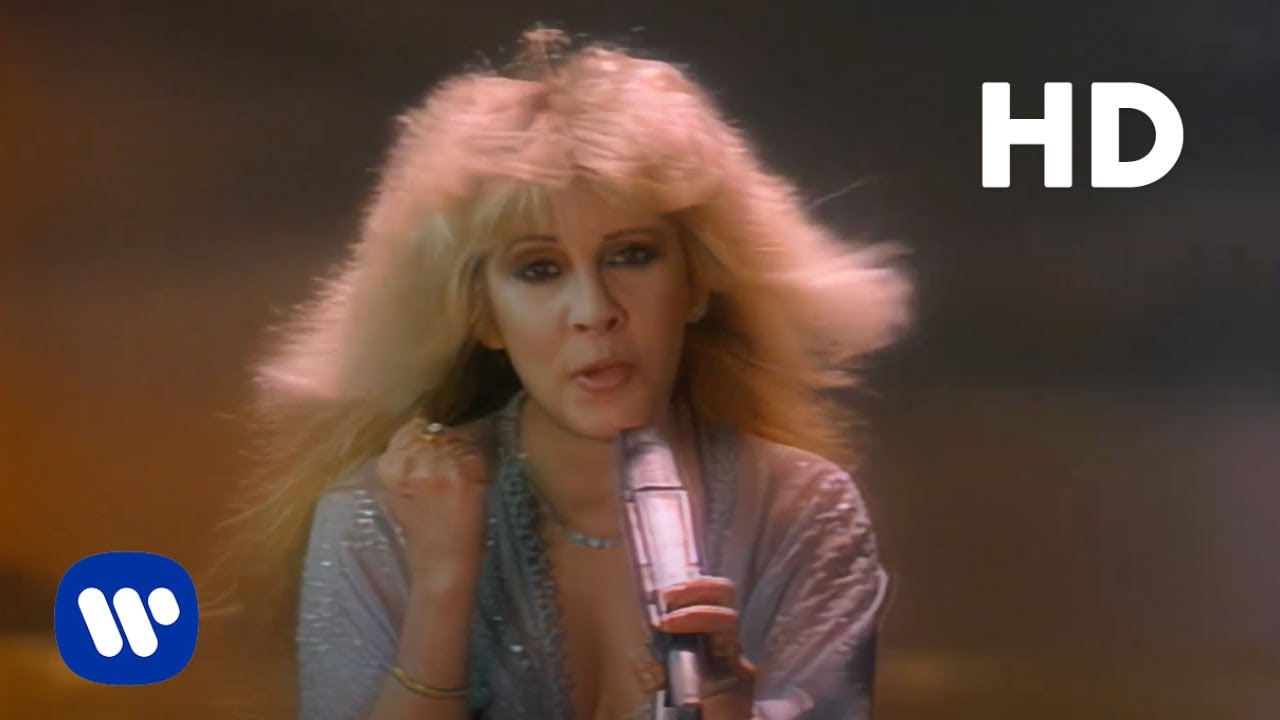
The Marty Callner-directed video featured Nicks performing in various elegant rooms of what appeared to be a grand house, using direct-to-camera shots that made viewers feel she was singing specifically to them. Her backing vocalists Celani and Perry appeared alongside two male dancers for choreographed sequences, particularly in a long white gallery-like room with steps in the center. Nicks’ brother Christopher made a cameo playing saxophone, adding family intimacy to the theatrical presentation. Two differently edited versions aired on MTV, both embracing the channel’s preference for dance sequences following the “Thriller” era. The video’s dreamlike aesthetic matched the song’s emotional intensity while showcasing the slightly harder rock edge Nicks was pursuing. In 1986, Nicks re-recorded the song for a Time-Life compilation with different vocal arrangements, though the original remained definitive. The track made its live debut on the Rock a Little world tour in 1986 and appeared sporadically on subsequent tours through 1994, but has rarely been performed since.
“Talk to Me” stands as proof that even the most successful artists sometimes need someone else to believe in them when doubt creeps in. Nicks’ reflection that having Keltner stay as her audience was among her unforgettable moments speaks to how vulnerable the recording process can be, even for rock royalty. The song became her highest solo chart placement despite being one of the rare tracks she didn’t write herself, demonstrating her interpretive gifts extended beyond her own compositions. What Sandford created as a plea for communication in relationships became something deeper in Nicks’ hands—a showcase for her ability to transform struggle into art, to turn vocal difficulty into emotional power. Four decades later, the song remains a testament to the magic that happens when the right people show up at the right moment, and how sometimes all an artist needs is someone to sing to rather than something to sing at.
Enjoyed this one? New forgotten gems every day — tap Music Videos Club below to visit and follow us on Facebook:
Related videos
 Watch LaterAdded
04:41
Watch LaterAdded
04:41  Watch LaterAdded
04:50
Watch LaterAdded
04:50  Watch LaterAdded
04:30
Watch LaterAdded
04:30