





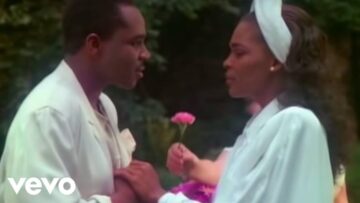
The Temptations – Papa Was A Rollin’ Stone
When Dennis Edwards Sang The Line He Hated
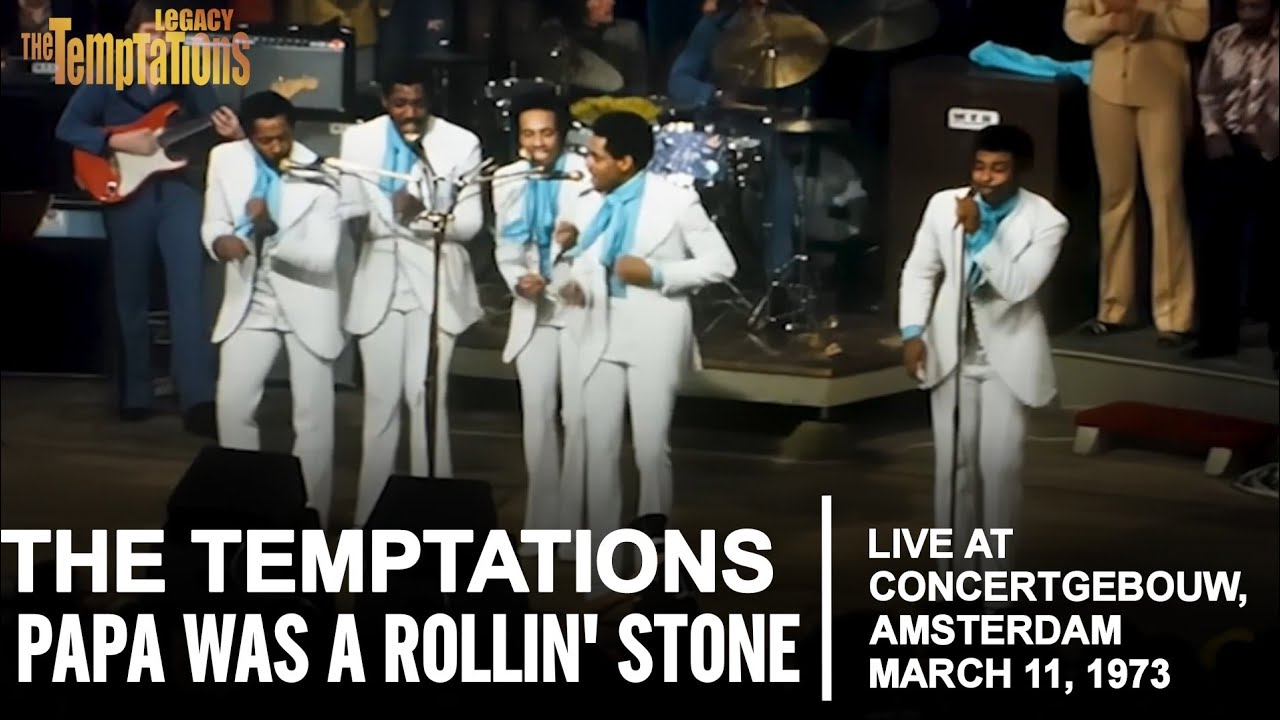
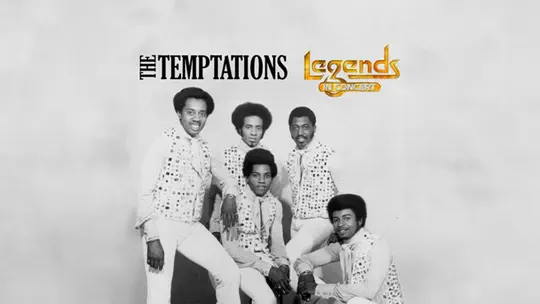
The Temptations released “Papa Was A Rollin’ Stone” in September 1972, and Dennis Edwards wanted nothing to do with it. The opening line referenced September 3 as the day the narrator’s daddy died, and Edwards’ own father had passed away October 3. Edwards hadn’t heard the Undisputed Truth’s original version from May and thought Norman Whitfield and Barrett Strong were deliberately mocking his grief. Producer Whitfield spent hours convincing Edwards the date was pure coincidence, chosen only because it fit the melody. The seven-minute single debuted at number 83 on the Hot 100 on October 14, climbed to number one by December 2, and spent 20 weeks on the chart. It became the Temptations’ fourth and final pop number one, winning three 1973 Grammy Awards while proving that sometimes the songs you resist become your defining moments.
The chart performance revealed a generational shift in soul music. The Undisputed Truth’s version had peaked at number 63 pop and number 24 R&B in June, demonstrating the song’s potential without capturing mainstream attention. The Temptations transformed it into cinematic soul, turning Whitfield’s 12-minute album track into an epic that dominated both pop and R&B audiences. The single hit number one on the Billboard Hot 100 but only reached number five on the R&B chart, an unusual reversal suggesting white audiences embraced the psychedelic funk more enthusiastically than Black radio programmers. The instrumental B-side won Best R&B Instrumental Performance, while the vocal A-side took Best R&B Vocal Performance by a Group. Whitfield and Strong captured Best R&B Song as composers. In 1999, the Recording Academy inducted it into the Grammy Hall of Fame, and Rolling Stone ranked the album version number 169 on their 500 Greatest Songs list.
Barrett Strong wrote the lyrics after Whitfield played him the haunting bass line that would anchor the arrangement. Whitfield had asked for fun, lighthearted words, but Strong heard something different in the music. The bass spoke to him about confusion and making sense of difficult truths. Strong drew from neighborhood conversations he’d overheard throughout the 1950s, when rolling stone meant a man who couldn’t settle down even with a wife and kids. The phrase came from the old proverb about stones gathering no moss. Strong crafted a narrative where children questioned their mother about a father they’d never met, learning only that he’d left them nothing but alone. The mother’s repeated response rationalized the father’s behavior as his nature, creating what Strong called a song about hopelessness and hope existing simultaneously.
Recording sessions at Hitsville U.S.A. featured Paul Riser’s orchestral arrangements influenced by Isaac Hayes’ Shaft soundtrack from 1971. Riser doubled down on suspense, treating the track like a film score rather than a conventional soul record. The Funk Brothers laid down the instrumental foundation with Maurice Davis on trumpet, Melvin Wah-Wah Watson Ragin and Paul Warren on guitars, and James Jamerson on bass creating that iconic walking line. The Detroit Symphony Orchestra added strings that shimmered and threatened simultaneously. Whitfield demanded Edwards tone down his usually flashy delivery, requesting a muted, almost bland performance. Edwards fought him constantly, wanting to oversing every line, but Whitfield kept forcing retakes until Edwards delivered the angry restraint the song required. Edwards admitted he didn’t appreciate the approach until hearing the finished record and realizing Whitfield had manipulated him into the perfect mood.
The album All Directions dropped in July 1972 with the 11:46 version featuring a 3:55 instrumental introduction before Edwards sang the first line. The group’s lineup had shifted dramatically. Dennis Edwards, Melvin Franklin, Richard Street, and Damon Harris traded verses in ensemble style, portraying siblings interrogating their mother. Harris had replaced Eddie Kendricks as the falsetto voice in 1971, bringing a different energy to the high parts. Street, who’d been filling in for Paul Williams, became his permanent replacement. The Temptations didn’t like how Whitfield’s elaborate instrumentation overshadowed their vocals, feeling reduced to supporting players in their own recordings. Otis Williams later admitted the group almost refused to record it, but Whitfield’s persistence and Berry Gordy’s support pushed it through. The tension between Whitfield and the group eventually led to his dismissal as their producer.
The song’s influence rippled across decades and genres. George Michael performed it at Wembley Arena in March 1991, releasing a remixed version with Adamski’s “Killer” on the 1993 EP Five Live that reached number 69 on the Hot 100. Slash released a cover featuring Demi Lovato in May 2024 for his album Orgy of the Damned. The track appeared in films, commercials, and became one of the most recognizable bass lines in popular music. The edited seven-minute single version featured added congas to bolster the sparse percussion, appearing on the 1973 Anthology triple LP. The instrumental B-side became a Funk Brothers showcase, with only Damon Harris’ final chorus remaining after a single grunt at the second verse’s end.
Otis Williams called “Papa Was A Rollin’ Stone” the last real classic the Temptations recorded, recognizing it as their final number one and their second competitive Grammy after “Cloud Nine” in 1969. Edwards left the group in 1977, returned in 1980, and spent decades touring with various Temptations lineups and splinter groups until his death in February 2018 at age 74. The song he’d initially hated for reminding him of his father’s death became his signature moment, the line everyone remembered when they thought of Dennis Edwards. Barrett Strong had been right about the lyrics reflecting reality, about conversations happening every day in neighborhoods everywhere. The song worked because it rang true, even when the truth hurt, especially when Dennis Edwards sang about September 3 while knowing his father died October 3. Whitfield had gotten exactly what he wanted: real pain disguised as restraint, creating seven minutes that felt like watching someone’s life unravel in slow motion while a bass line walked relentlessly forward.
SONG INFORMATION
Enjoyed this one? New forgotten gems every day — tap Music Videos Club below to visit and follow us on Facebook:
Related videos
 Watch LaterAdded
04:03
Watch LaterAdded
04:03  Watch LaterAdded
05:29
Watch LaterAdded
05:29  Watch LaterAdded
02:58
Watch LaterAdded
02:58