The most famous bass solo in rock is the simplified version. He couldn’t get strings.
John Entwistle knew exactly what he wanted the solo to sound like, and it required a Danelectro — a cheap American bass strung with unusually thin strings that let him move fast and clean across the neck. He bought three of them. The strings kept snapping, and Danelectro did not sell replacements separately, so each broken string meant another dead instrument. Eventually he gave up, went back to his Fender Jazz strung with nylon tapewound, and rewrote the part simpler to make it playable. What survives on the record — one of the first bass solos in rock history, and still among the most recognized — is the compromise.
He played it with a pick, too, which was not his preference either. Manager Kit Lambert had decided fingers did not record well, and Entwistle went along with it for this session before quietly reverting on most of what came after. He later described the whole track, not without justification, as a bass solo with vocals attached.
Pete Townshend wrote it. Shel Talmy produced it — an American who had come to London and brought studio habits nobody there was using, including putting twelve microphones on Keith Moon’s kit when three was standard. Talmy has said Moon never once hit a microphone despite playing within a millimetre or two of them, which tells you something about both men. Brunswick released it in early November 1965.
The stutter nobody can fully explain
Roger Daltrey’s delivery is the thing everyone remembers, and its origin has never been settled. It has been explained as an imitation of a mod on amphetamines, as a deliberate homage to John Lee Hooker, and, most plainly, as Daltrey simply not being able to fit the words to the track on an early run-through and the band deciding they liked it. All three explanations have been offered by people who were there. None has ever fully displaced the others.
What is certain is what it cost them at first. The BBC refused to play the record, on the grounds that it might offend people who stutter — a decision they reversed once it became too big to ignore. It reached No. 2 in Britain, which remains the highest chart position the Who ever achieved with a single. Not Pinball Wizard, not Won’t Get Fooled Again. This one.
Hope I die before I get old
In 1965 Daltrey said publicly that he would kill himself before turning thirty rather than get old. He has spent the sixty years since being asked about that line, and his answer settled long ago into something more useful than the original claim: it is about an attitude, not an age. He has kept singing it, well past thirty, well past the point where the joke would have worn out if the song were only a joke.
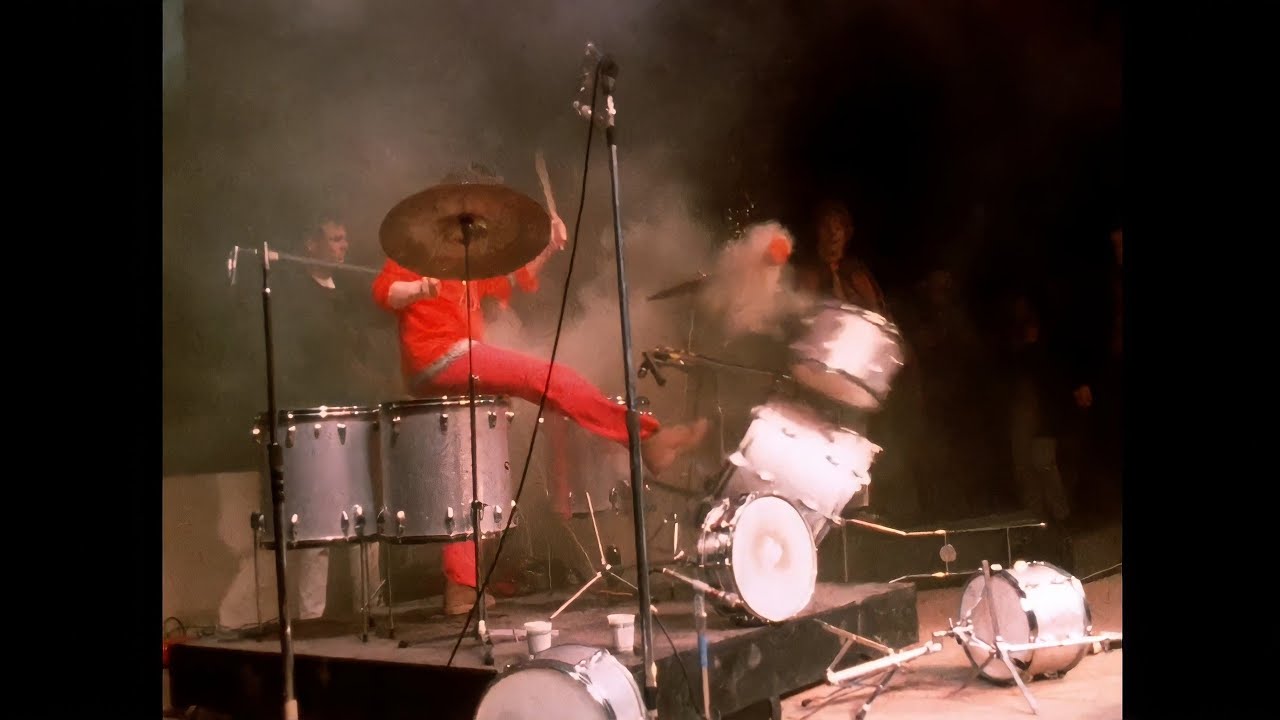
The band spent the late sixties ending live shows by destroying their equipment, and this song was usually what they destroyed it during. On September 17, 1967, performing it on The Smothers Brothers Comedy Hour, Moon arranged for explosives in his kick drum — and the stage crew, unaware, had already loaded it. The combined charge went off far larger than intended, cutting Moon with cymbal shrapnel and permanently damaging Townshend’s hearing. It is the most literal illustration available of what the song was arguing for, and what it cost.
SONG INFORMATION
Artist: The Who
Song: “My Generation”
Album:My Generation
Released: November 1965
Recorded: October 1965
Studio: IBC Studios, London
Label: Brunswick (UK); Decca (US)
Songwriter(s): Pete Townshend
Producer(s): Shel Talmy
Key / Tempo: G major, 4/4
Chart Performance: UK Singles Chart No. 2 — the highest position of any Who single
Awards: Grammy Hall of Fame; Rock and Roll Hall of Fame 500 Songs That Shaped Rock and Roll
Lineup: Roger Daltrey (lead vocals), Pete Townshend (guitar, backing vocals), John Entwistle (bass, backing vocals), Keith Moon (drums)