Paul Williams Wrote This for the Carpenters, Said the Title Out Loud by Accident, and Watched Richard Carpenter Turn It Down — Then It Became a Top 5 Hit for Someone Else
The title came before the song, and it came by accident. Paul Williams was leaving his office one evening in 1971, on his way to pick up fellow songwriter Patti Dahlstrom for dinner, when he learned he’d just landed another hit. Walking into her living room, he said it out loud, half-joking: “Well, kid did it again — with another old-fashioned love song.” Then he stopped. “A light bulb appeared in the air right above my head,” he remembered. He sat down at her piano and wrote the whole thing on the spot. “It’s the quickest song that I’ve ever written in my life,” Williams said, “and people have said, ‘Yeah, we can tell.’ It just poured out of me.” What poured out became one of Three Dog Night’s most enduring hits — but it was never supposed to be theirs at all.
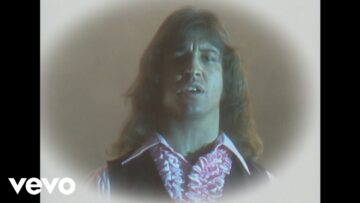
Williams wrote “An Old Fashioned Love Song” for the Carpenters. By 1971 he and his writing partner Roger Nichols had become the architects of the Carpenters’ sound, having handed them “We’ve Only Just Begun” and “Rainy Days and Mondays,” and this was the first song Williams crafted specifically for Karen and Richard. But Richard Carpenter passed on it. So Williams took it to Three Dog Night — a band that had built an entire career on exactly this kind of opportunity, turning songs other artists overlooked into gold. With Chuck Negron on lead vocal, the band cut it as the first single from their fifth album, Harmony, and released it in November 1971.
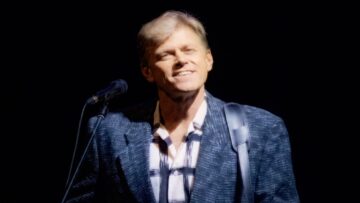
It was a smash. “An Old Fashioned Love Song” climbed to No. 4 on the Billboard Hot 100 in December 1971, becoming Three Dog Night’s seventh top-ten hit, and it gave the band its first No. 1 on Billboard’s easy listening chart while reaching No. 2 in Canada. The song’s gentle, building arrangement — culminating in that knowing “coming down in three-part harmony” line, a wink at the band’s own three-vocalist identity — made it a fixture of soft-rock radio for years. Paul Williams himself later performed it on The Muppet Show in a beloved 1976 appearance, singing alongside Muppet versions of himself, cementing the song’s place in the era’s pop-culture fabric.
The Greatest Outside-Song Band of Their Era
That a future standard could be a Carpenters cast-off says everything about how Three Dog Night worked. The Los Angeles group, formed in 1967 around the three-vocalist front line of Negron, Cory Wells, and Danny Hutton, were not primarily songwriters — they were interpreters of genius, with an unmatched ear for material. They gave mainstream audiences their first taste of writers who’d become legends: Harry Nilsson (“One”), Randy Newman (“Mama Told Me Not to Come”), Hoyt Axton (“Joy to the World,” “Never Been to Spain”), Laura Nyro, and Paul Williams. Between 1969 and 1975 they racked up 21 Top 40 hits, eleven of them Top 10, with three reaching No. 1. In an era that increasingly prized singer-songwriters, Three Dog Night proved that knowing a great song when you heard it — and being able to sing it better than anyone — was its own kind of artistry.
Live for the BBC, 1972
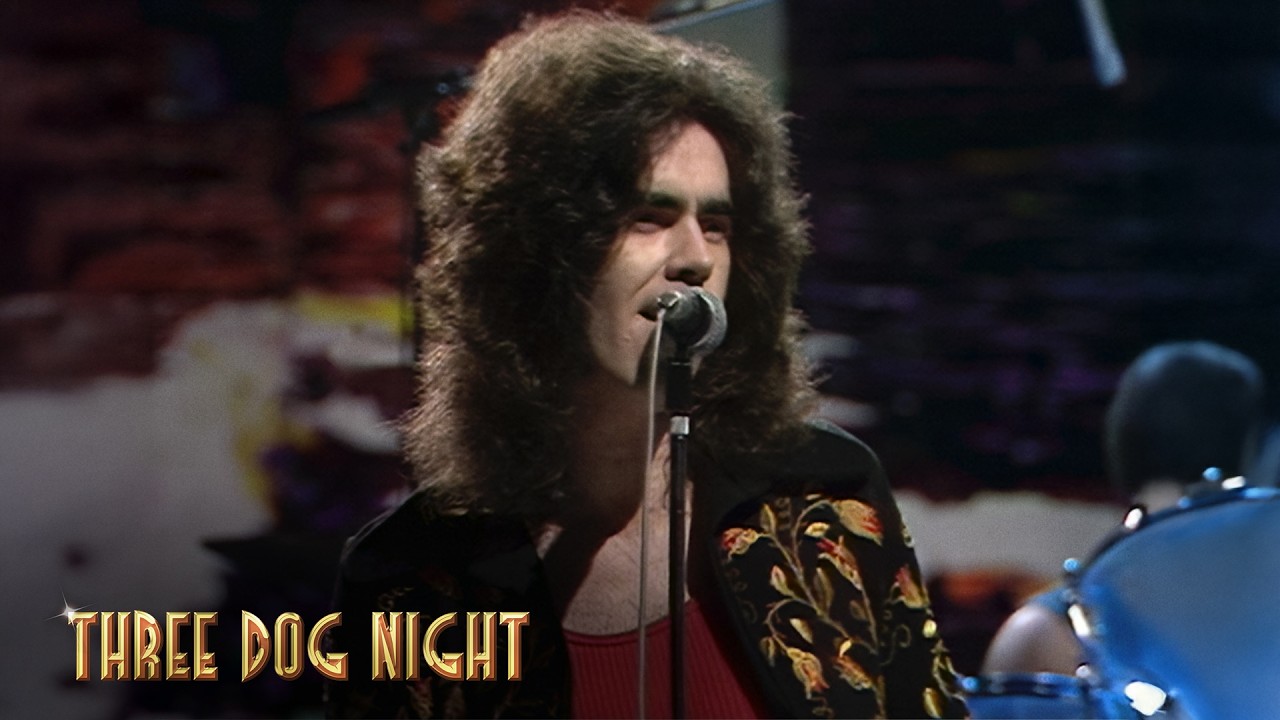
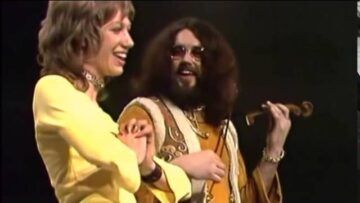
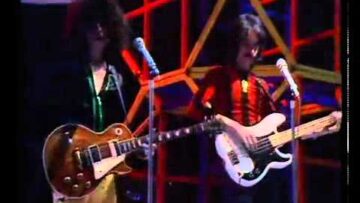
The performance on this page captures the band at the absolute height of that run. Recorded for the BBC’s In Concert series on December 7, 1972, it shows Three Dog Night doing what concert audiences of the early 1970s knew them for: tight, powerful, three-voice harmony rock delivered by one of the top-drawing live acts in America. By then the group was a touring juggernaut — the same month, they hosted and performed on the very first edition of Dick Clark’s New Year’s Rockin’ Eve. The lineup eventually frayed under the familiar early-’70s pressures of substance abuse, lineup changes, and shifting musical tastes, and the hits stopped by the mid-decade. But footage like this preserves the band at their peak, turning a song the Carpenters didn’t want into the kind of warm, unguarded crowd-pleaser that defined them. Paul Williams said it just poured out of him in a few minutes. Three Dog Night made sure it would last for decades.
SONG INFORMATION
Artist: Three Dog Night
Song: “An Old Fashioned Love Song”
Lead Vocals: Chuck Negron
Album:Harmony
Released: November 1971 (first single from the album)
Label: Dunhill Records
Songwriter(s): Paul Williams
Chart Performance: No. 4 US Billboard Hot 100; No. 1 US Easy Listening; No. 2 Canada (December 1971)
Performance: BBC In Concert, December 7, 1972
Filmed: BBC, London, England
Lineup: Chuck Negron (vocals), Cory Wells (vocals), Danny Hutton (vocals), Michael Allsup (guitar), Jimmy Greenspoon (keyboards), Joe Schermie (bass), Floyd Sneed (drums)