




Sweet – Wig Wam Bam
The First Time They Actually Played Their Own Instruments
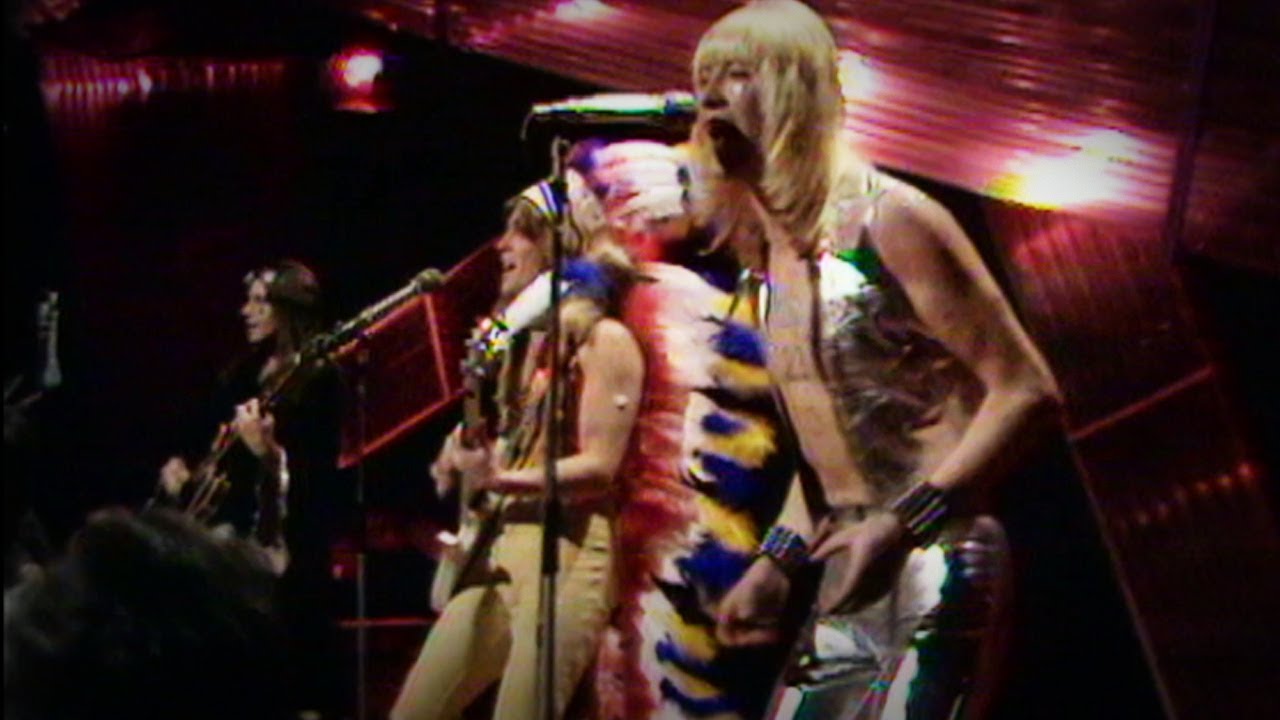
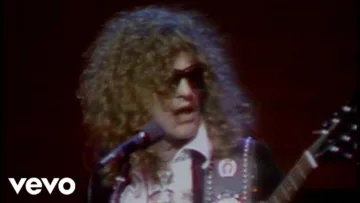
Released on September first, 1972, as the follow-up to their UK number one “Little Willy,” The Sweet’s “Wig-Wam Bam” peaked at number four on the UK Singles Chart in late September and reached number four in Ireland while climbing to number fifteen in Australia. The track appeared on their self-titled album The Sweet, which peaked at number seven on the UK Albums Chart. What most fans don’t know is that this was the very first Sweet single where the band members actually played their own instruments on the recording. Previous singles had featured producer Phil Wainman on drums and session musicians John Roberts and Pip Williams handling bass and guitars respectively, with the band effectively serving as vocalists fronting someone else’s work. When the opportunity finally came to prove themselves as musicians rather than just pretty faces singing Chinnichap material, drummer Mick Tucker, bassist Steve Priest, and guitarists Andy Scott and Brian Connolly delivered a performance that transformed their image and launched glam rock’s golden age.
The single entered the UK chart on September ninth and climbed to number four by late September, spending several weeks in the top ten. It marked The Sweet’s fourth consecutive top ten hit following “Funny Funny,” “Co-Co,” and “Little Willy,” cementing their status as one of Britain’s hottest acts. In Ireland, it also peaked at four, while Australian audiences pushed it to fifteen. The track performed respectably across Europe, charting throughout Germany, the Netherlands, and Scandinavia. The song’s success demonstrated that the band could maintain their commercial momentum while evolving their sound beyond bubblegum pop toward harder-edged glam rock. The parent album The Sweet benefited from the single’s popularity, reaching number seven on the UK Albums Chart and earning respectable sales throughout Europe. When Bell Records released the single in the United States in 1973, it failed to make significant impact, though it introduced American audiences to glam rock aesthetics that would influence future generations.
Songwriters Nicky Chinn and Mike Chapman drew inspiration from Henry Wadsworth Longfellow’s 1855 epic poem The Song of Hiawatha, reimagining the Native American tale of Hiawatha and Minnehaha as a playful rock narrative. The lyrics also referenced Johnny Preston’s 1959 hit “Running Bear,” incorporating the characters Running Bear and Little White Dove to blend literary and pop cultural motifs. Chinn and Chapman were at the height of their powers in 1972, having already written hits for Sweet and preparing to dominate the decade with songs for Suzi Quatro, Mud, and countless others. Their genius lay in combining catchy melodies with just enough edge to appeal to both teenagers and their younger siblings. The nonsense syllables in the chorus gave radio programmers something safe while the stomping rhythm and guitar riff hinted at the harder sound Sweet craved. The guitar riff itself was influenced by the theme from a television series, though the specific show has been disputed over the years.
Phil Wainman produced the track during 1972 sessions, but for the first time allowed Sweet to actually perform the instruments themselves rather than hiring session players. This decision came after sustained pressure from the band, who’d grown increasingly frustrated with being treated as manufactured pop rather than legitimate musicians. Mick Tucker’s drumming drove the track with a stomp-and-clap rhythm that became a glam rock trademark. Steve Priest not only played bass but also sang lead vocals on some parts, marking the first time anyone besides Brian Connolly had taken lead on a Sweet single. Andy Scott’s guitar work provided the distinctive riff that opened the song, while Connolly delivered his usual charismatic vocal performance. The recording took place at various London studios, with Wainman ensuring the sound was both radio-friendly and energetic enough to satisfy the band’s rock ambitions. The production embraced the emerging glam aesthetic with handclaps, gang vocals, and a sense of theatrical exuberance that would define the genre.
The track appeared on The Sweet, their debut album released in early 1973 despite most of its singles having charted throughout 1971 and 1972. The album compiled their early Chinnichap singles alongside new tracks and B-sides, creating a document of their transition from bubblegum to glam. Beyond this song, the album featured previous hits “Funny Funny,” “Co-Co,” and “Little Willy,” demonstrating the consistency of Chinn and Chapman’s songwriting. The album’s release was complicated by Sweet’s contentious relationship with their songwriters and producers, who maintained tight control over the band’s commercial output while the musicians wanted to write and perform their own material. This tension would eventually lead to the band breaking free from Chinnichap in 1974 and writing their own hits including “Fox on the Run” and “Love Is Like Oxygen.” But in 1972, they were still proving they could perform professionally, and this single was the evidence they needed.
The song has been covered extensively over the decades, testament to its enduring appeal. Black Lace recorded a version in 1986 that reached number sixty-three on the UK chart. English pop musician Damian covered it in 1989, reaching forty-nine. The Donnas recorded a hard rock version with different, more suggestive lyrics in 2000 for the compilation Blockbuster: A 70’s Glitter Glam Rock Experience, later releasing it as a single in 2002. Finnish all-female hard rock band Barbe-Q-Barbies included their interpretation on their 2010 album All over You. The song’s simple structure and infectious chorus made it ideal for covers across genres and genders. The track appeared in the 2013 biographical film The Look of Love about Paul Raymond’s revue empire, and in the 2022 Hulu miniseries Welcome to Chippendales, where it soundtracked scenes depicting seventies club culture. These placements demonstrate how the song became synonymous with glam rock excess and seventies hedonism in popular culture.
“Wig-Wam Bam” stands as a pivotal moment in Sweet’s career and glam rock history, marking the transition from manufactured pop to authentic rock performance. The band’s determination to play their own instruments on this single demonstrated they were musicians with vision rather than just photogenic vocalists, a point they’d spend the next several years reinforcing. Chinn and Chapman’s genius in combining Longfellow’s poetry with Johnny Preston’s pop culture and wrapping it in an irresistible melody shows why they dominated British pop throughout the decade. The song’s success proved that glam rock could be both commercially massive and musically credible, opening doors for Sweet to eventually break free and write their own material. Five decades later, that stomp-clap rhythm and those nonsense syllables remain immediately recognizable, proof that the first time Sweet played their own instruments, they got it absolutely right.