





Dr. John – Right Place Wrong Time
The Lost Guitar Solo, One Lucky Take, And A Line That Named An ELP Album
“Right Place Wrong Time” was released in March 1973 as the lead single from Dr. John’s sixth album In the Right Place, becoming his biggest hit and only top 10 single. The song peaked at No.9 on the US Billboard Hot 100—staying on the chart for 20 weeks—and reached No.6 in Canada, No.54 in the UK. What most fans don’t know: the sizzling guitar solo that defines the track was played by session guitarist David Spinozza in one take after he happened to walk by the studio—because someone had misplaced the master tape containing Leo Nocentelli’s original guitar part. That one-take accident became permanent, and progressive rock band Emerson, Lake & Palmer took the song’s line “just need a little brain salad surgery” and used it as the title for their 1973 album.
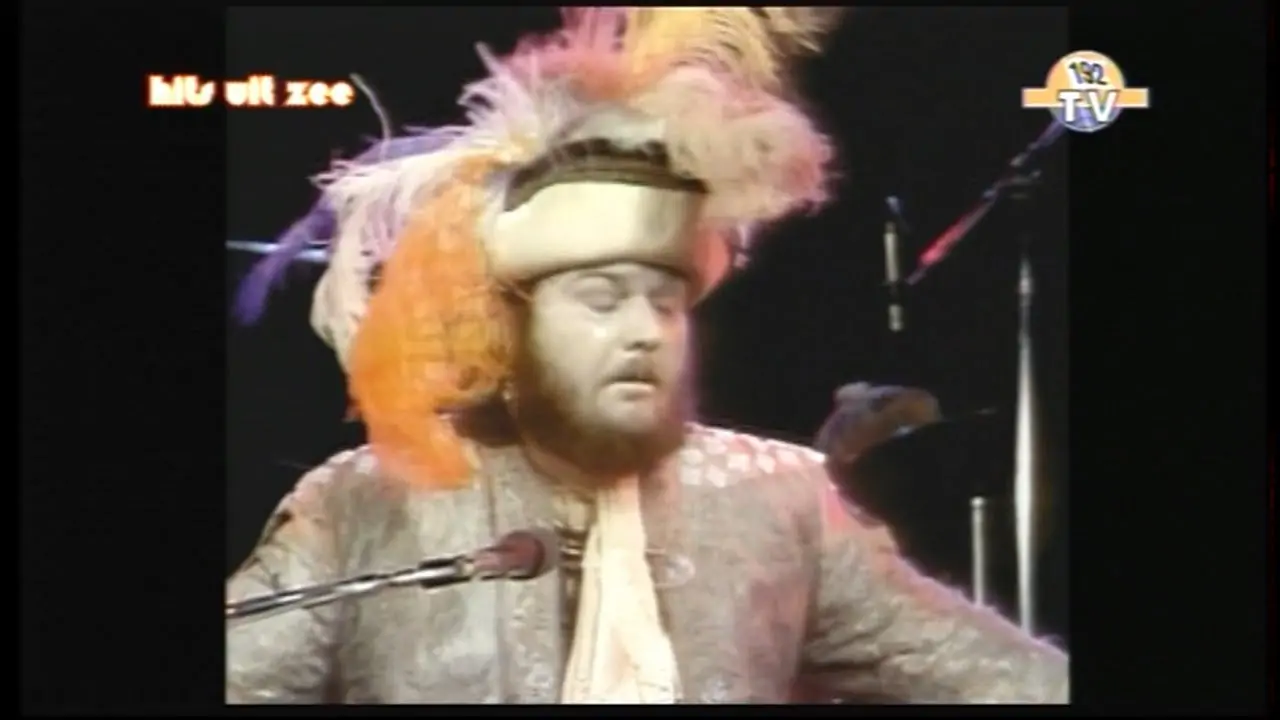
The chart performance marked an unprecedented commercial breakthrough for Mac Rebennack. After years as a musician’s musician—a session player who’d worked with everyone from Sonny and Cher to Frank Zappa—“Right Place Wrong Time” momentarily elevated Dr. John from cult artist to pop star. The parent album In the Right Place became his highest charting album on the Billboard 200, spending 33 weeks on the chart and peaking at No.24 on June 23, 1973. The song was ranked as the 24th biggest hit of 1973. This success came after his previous album Dr. John’s Gumbo had paid affectionate tribute to classic New Orleans R&B of the 1950s and ’60s, but In the Right Place took a far more contemporary funk approach. Dr. John later reflected: “Originally, I felt to go commercial would prostitute myself and bastardize the music. On reflecting, I thought that if without messin’ up the music and keeping the roots and elements of what I want to do musically, I could still make a commercial record I would not feel ashamed from, I’m proud of, and still have a feel for—then it’s not a bad thing but it even serve a good purpose.”
The song had been sitting in Dr. John’s pocket for over a decade before Allen Toussaint heard it. “I wrote that song about 10 or 15 years before I cut it,” Dr. John explained in the liner notes to the Mos’ Scocious anthology. “I was just going through some songs with Allen Toussaint one day. I probably never would have cut that if it hadn’t been for Allen.” The title came from Dr. John’s own life philosophy—he told Songfacts: “That was my life for a long time. At the same time I was in the wrong place at the right time, and the right place in the wrong time, too. That was the problem. We’re always shifting those gears.” But here’s the twist: several lines in the final version came from notable friends. According to credible sources including a 1989 San Diego Union-Tribune report, Bob Dylan contributed the couplet “I’m on the right trip/But in the wrong car,” while Bette Midler offered “My head’s in a bad place/I don’t know what it’s there for.” Fellow musician Doug Sahm also reportedly contributed lines, though all went uncredited. The result was a universal catchphrase wrapped in funky New Orleans swagger—a portrait of being perpetually out of sync that every audience could identify with.
Recording took place at Criteria Studios in Miami, Florida in late 1972, with Allen Toussaint producing and The Meters as the backing band. The lineup featured Art Neville on organ, Leo Nocentelli on guitar, George Porter Jr. on bass, and Joseph “Zigaboo” Modeliste on drums—New Orleans Soul royalty who were only a few years removed from instrumental hits like “Cissy Strut” and just years away from opening for The Rolling Stones. The sessions emphasized live band tracking with a spontaneous, jam-like energy. “We were making fun music, and doing it at our pace,” Toussaint later remembered. Dr. John delivered his signature growling vocals and blues piano, while Toussaint added keyboards, guitars, percussion, and background vocals. The Bonaroo Horn Section supplied punchy brass arrangements. Then came the crisis: someone misplaced the master tape containing Nocentelli’s original guitar solo. Session guitarist David Spinozza—who had worked with both Paul McCartney and John Lennon during the 1970s—happened to walk by the studio. Engineers summoned him inside. One take later, he’d nailed it, completing the track with what one critic called “a sizzling guitar solo” that married New Orleans R&B to contemporary funk. The combination of Dr. John’s raspy vocals, Toussaint’s tight arrangements, and The Meters’ in-the-pocket groove proved to be funky alchemy of the first order.
“Right Place Wrong Time” opened In the Right Place, released on Atco Records in March 1973. The album’s other singles included “Such a Night” (which reached No.42 in the US and was later performed at The Band’s Last Waltz concert filmed by Martin Scorsese), and “(Everybody Wanna Get Rich) Rite Away” (which peaked at No.92 in 1974). Dr. John’s only other Hot 100 entry was “Iko Iko” at No.71 in 1972. The album showcased Dr. John handling lead vocals, piano on “Qualified,” organ on “Peace Brother Peace,” and percussion on “I Been Hoodood.” The song’s peculiar release pattern revealed its cross-continental appeal: “The song started selling big in Europe before it started selling in the States,” Dr. John noted. “When it hit here, it was dead in Europe. It was a freak record. It even started selling again at the time of The Last Waltz. That was years afterwards.”
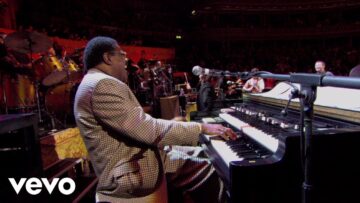
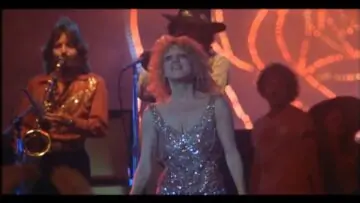
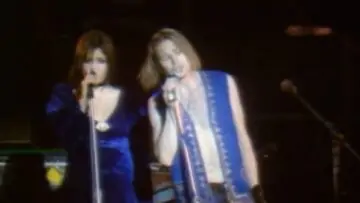
The cultural impact far exceeded the chart numbers. Director Richard Linklater used “Right Place Wrong Time” throughout the soundtrack to his 1993 film Dazed and Confused to evoke the 1970s. The song appeared in Lucky Numbers (2000) and American Horror Story: Coven. Dave Matthews Band covered it with Preservation Hall Jazz Band as a tribute to Dr. John following his death on June 6, 2019. New Orleans metal band Down released a cover celebrating Mardi Gras, with vocalist Philip H. Anselmo explaining: “Dr. John’s ‘Right Place, Wrong Time’ is probably one of the first songs I ever learned or knew of as a kid. We grew up in the French Quarter and Dr. John was everywhere.” The song’s bridge featured Rebennack’s continued tribute to his New Orleans musical ancestors through stride piano, connecting 1970s funk directly to early jazz traditions. VH1 and other publications consistently rank it among the greatest funk tracks ever recorded.
As Dr. John’s fame shone the brightest following this hit, it suddenly began to flicker—commercial momentum proved impossible to maintain, and he ultimately succumbed to addiction issues that plagued him for years. Allen Toussaint later reflected on the sessions with deep affection, emphasizing how the loose, collaborative approach captured something essential about New Orleans music. The song’s title took on deeper meaning as Dr. John’s career unfolded: perpetually out of sync with commercial expectations, always shifting gears between artistic integrity and mainstream success. But for one shining moment in the summer of 1973, Mac Rebennack was in exactly the right place at exactly the right time—backed by The Meters, produced by Toussaint, elevated by a one-take guitar solo that replaced a lost tape, singing a song he’d carried for over a decade. Sometimes accidents and happenstance create perfection, which might be the most New Orleans thing of all.