




![Led Zeppelin – Trampled Under Foot (Live at Earls Court 1975) [Official Video] [HD]](https://musicvideosclub.com/wp-content/uploads/2026/03/led-zeppelin-trampled-under-foot-360x203.jpg)
![The Animals – House Of The Rising Sun (Music Video) [4K HD]](https://musicvideosclub.com/wp-content/uploads/2025/02/the-animals-house-of-the-rising-360x203.jpg)
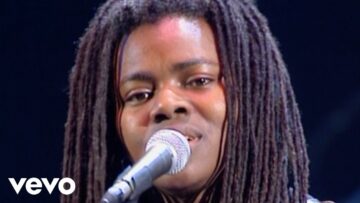
Creedence Clearwater Revival – Fortunate Son
Fogerty Wrote It in Twenty Minutes in His Bedroom — Fuelled on Anger at Julie Nixon’s Wedding Guest List. The Ed Sullivan Show Broadcast It Nationally Because the Producers Didn’t Realise It Was a Protest Song.
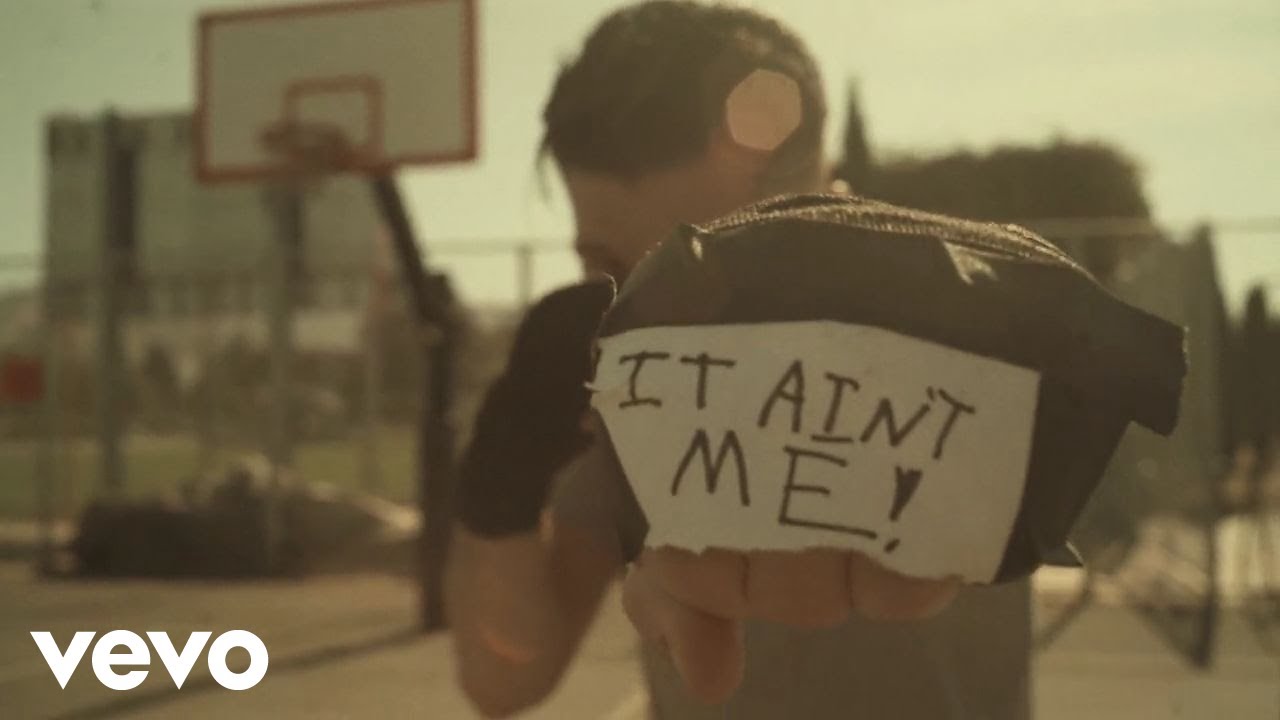
Julie Nixon was getting married. She was marrying David Eisenhower — grandson of Dwight D. Eisenhower — and the images coming out of that December 1968 Washington wedding told John Fogerty everything he needed to know about the war his generation was fighting. The sons and daughters of power were not going to Vietnam. They were getting married in Washington, their futures intact, their bodies unrisked, while the sons of mill workers and sharecroppers and factory hands were being drafted and dispatched to a jungle with no clear exit. Fogerty had served in the Army Reserve from 1966 to 1968, which had kept him out of combat — a fact he was conscious of and not comfortable with. He had heard about senators’ sons receiving deferments, congressmen’s sons placed in safe positions, the machinery of privilege operating quietly alongside the machinery of conscription. In the bedroom of his home in El Cerrito, California, the anger crystallised in approximately twenty minutes. He wrote the lyric in one sitting and barely changed a word. “It ain’t me” said everything the song needed to say about the distance between the men who made the war and the men who fought it.
The recording took place at Wally Heider Studios in San Francisco — Studio C, the room the band had been using since the Green River sessions — in September 1969. Engineer Russ Gary had developed a recording approach with Fogerty that prioritised directness above all: no corrective EQ, minimal processing, Shure SM56 microphones on the guitar amps and drums, a Sony C37 on the snare, a U87 for cymbals and room ambience. The rhythm section — John Fogerty on lead guitar and vocals, Tom Fogerty on rhythm guitar, Stu Cook on bass, Doug Clifford on drums — was captured live to an MCI 16-track machine, the four of them playing together in a room, the interaction between the instruments recorded rather than constructed. It was, by the standards of 1969 studio practice, a deliberately primitive approach — not primitive out of limitation but out of intention. Fogerty had understood from the beginning that swamp rock needed to sound like it was coming up through the floor, not down from a speaker stack. Gary gave him that. The lead vocal and overdubs were added separately, Fogerty returning after the rhythm tracks were done to furnish everything from the vocal to backing harmonies to tambourine. The whole song, in its final form, was tight, raw, and over in two minutes and twenty-one seconds — enough time to say what needed saying, not a second more.
The B-Side That Outlasted the A-Side
Fantasy Records released “Fortunate Son” in September 1969 as the B-side to “Down on the Corner” — the chirpy, jug-band flavoured A-side that Fogerty had written as a deliberate commercial counterweight to the protest material. “Down on the Corner” climbed to number three on the Billboard Hot 100. “Fortunate Son,” tracked separately as a charting B-side, reached number fourteen. The distinction matters: Fogerty had written the two songs to serve different functions, and radio programmers initially treated them accordingly, playing the cheerful A-side while the B-side circulated among the people who had heard it and couldn’t leave it alone. On November 16, 1969, the band performed both songs on The Ed Sullivan Show — a national television audience, a mainstream institution that had recently hosted the Rolling Stones only after demanding lyric changes. Nobody at The Ed Sullivan Show asked Fogerty to change anything. The producers, by most accounts, had not recognised that “Fortunate Son” was a protest song at all. They heard a rock and roll record. They were not wrong — it was a rock and roll record, the most urgent kind — but they had missed the specific target the lyric was drawing a bead on. The song went out nationally, unchallenged, to an audience of millions.
The album Willy and the Poor Boys, on which “Fortunate Son” appeared, was released in November 1969 on Fantasy Records, reaching number three on the Billboard Pop Albums chart. The song was awarded a Gold Disc by the RIAA in December 1970. It was added to the National Recording Registry by the Library of Congress in 2013, certified culturally, historically, and aesthetically significant. Rolling Stone ranked it at number ninety-nine on the 500 Greatest Songs of All Time list in both 2004 and 2010. “Fortunate Son,” along with “Proud Mary,” was inducted into the Grammy Hall of Fame. The song has been covered by U2, Bruce Springsteen, Pearl Jam, Bob Seger, and Foo Fighters, among dozens of others. It appeared in Forrest Gump, in Call of Duty, in Battlefield, in Grand Theft Auto, and in more Vietnam War film montages than any other single piece of music. Each of those uses is a negotiation with the song’s meaning — some of them faithful to it, some of them not, some of them precisely the kind of appropriation that Fogerty had been writing against in the first place.
The Song That Nobody Could Own
The irony of “Fortunate Son” being used to sell Wrangler jeans in 2002 — an image of patriotic American ruggedness deployed to move denim — was not lost on Fogerty, who had no control over the licensing at the time. Fantasy Records owned the publishing and the master. Fogerty had signed those rights away in the contractual circumstances of 1969, when he had little leverage and less understanding of what the songs would become. For decades, he watched as his most precisely anti-establishment lyric was recruited into the service of commercialism, military spectacle, and political rallying — each use a small act of misreading, some of them deliberate. He expressed that frustration directly on his solo track “Vanz Kant Danz.” He issued a cease and desist when Donald Trump used the song at campaign rallies in 2020, noting in a public statement that Trump had obtained a draft deferment — that the song was, in fact, about people exactly like that. In 2023, at seventy-seven years old, Fogerty finally purchased the majority stake in his catalog back from Concord Music, the company that had acquired Fantasy Records in 2004. The song that had never really been his, legally, returned to the man who had written it in twenty minutes in a bedroom in El Cerrito, out of anger at a wedding guest list. The music video on the CCRVevo channel, produced by Craft Recordings in 2018 and directed by Ben Fee, gave the song a visual document for the streaming era — a record that the performance had existed and that the lyric still meant what it had always meant, regardless of what anybody else had tried to make it mean in the intervening fifty years.
SONG INFORMATION
Craft Recordings
Director: Ben Fee
Producers: Ben Fee, Matt Day, Hillary Andujar, Courtney Andujar
Editor: Niles Howard @ Kid Sister
Camera: Ben Fee, Matt Boman
Colorist: Arianna Shiningstar @ Apache
Additional Camera: Gary Milton, Mike Garcia and Jonathan Franklin
Production Company: Scandinavia Pictures
Rep: Jen Herrera @ Las Bandas/Be Brave
Days away from home: 29
States traveled for shooting: 10
Countries: USA & Mexico
Miles traveled in car: 6,200
Number of lenses stolen: 2
Number of watermelon stolen: 1
Number of times CCR was heard playing in random establishments: 9
Number of crappy people we met: 0
Music video by Creedence Clearwater Revival performing Fortunate Son. © 2018 Craft Recordings, a division of Concord Music Group, Inc.
![Tom Petty – You Dont Know How It Feels [Official Music Video]](https://musicvideosclub.com/wp-content/uploads/2025/10/tom-petty-you-dont-know-how-it-f-360x203.jpg)
