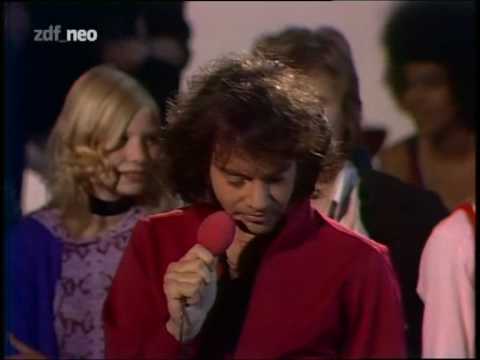
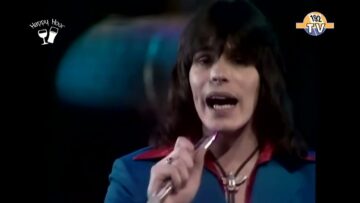
Neil Diamond released “I Am… I Said” as a single on March 15, 1971, and it slowly climbed the charts before accelerating to number 4 on the Billboard Hot 100 by May. The track also reached number 4 in the UK and topped the charts in Ireland and New Zealand. It spent 14 weeks on the Billboard chart and peaked at number 2 on the Adult Contemporary chart. The song earned Diamond his first Grammy nomination for Best Pop Vocal Performance, Male, and became one of his most enduring compositions.
The single performed remarkably well across multiple territories, hitting number 2 in Canada and Switzerland, number 3 in Germany, and landing in the top 10 in Australia, Belgium, South Africa, and the Netherlands. Its worldwide appeal was unusual for such a deeply personal, introspective ballad during an era dominated by harder rock and upbeat pop. The slow build on radio convinced programmers that listeners connected with Diamond’s raw vulnerability, something that couldn’t be faked or manufactured.
Diamond spent four months composing the song during an intensely difficult period in his life. He’d auditioned unsuccessfully for the role of comedian Lenny Bruce in a biopic, and the attempt to channel Bruce’s intense emotions pushed him into therapy in Los Angeles. According to interviews, Diamond wrote the final lyrics in less than an hour while sitting alone in his Holiday Inn room, staring out at palm trees and sunshine while feeling desperately homesick for New York. The song emerged from his therapy sessions as an attempt to express his dreams, aspirations, and identity. He later told journalists that gathering himself after singing this song was always emotionally difficult.
Producer Tom Catalano recorded the track at Sound Recorders in Hollywood with engineer Armin Steiner. Larry Muhoberac and Marty Paich handled the orchestral arrangements, with Lee Holdridge arranging the B-side “Done Too Soon.” The production emphasized vocal intimacy over elaborate orchestration, with dramatic string swells during the chorus and a fade-out featuring repeated iterations of the title phrase. Diamond insisted on keeping the controversial line about the chair, despite pressure from the record company to remove it. The single was issued on Uni Records with a picture sleeve showing Diamond seated on the floor beside an empty chair against a plain background.
The song appeared on Diamond’s seventh studio album Stones, released November 5, 1971. Unusually, “I Am… I Said” bookended the album, opening side one and closing side two as a reprise. The album reached number 11 in the US and earned Gold certification for 500,000 copies sold. Diamond only wrote three of the ten tracks on Stones, covering contemporaries like Joni Mitchell, Leonard Cohen, and Randy Newman for the rest. The title track “Stones” was released as a double A-side with “Crunchy Granola Suite,” reaching number 14 on the Hot 100.
The song has been covered by Checkmates Ltd., Killdozer, and Mikey Spice, and appeared in Italian, Dutch, and Brazilian Portuguese versions. Brooke White performed it on American Idol’s seventh season, changing New York City to Arizona. Diamond’s 1972 live version on Hot August Night was later described by Rolling Stone as fantastically overwrought. The song experienced a revival in the 2020s on TikTok and featured prominently in Volkswagen’s 2024 Super Bowl commercial. It remains a climactic moment in the Broadway musical A Beautiful Noise, where it represents Diamond’s artistic breakthrough.
Humorist Dave Barry famously ridiculed the line about the chair not hearing Diamond’s declaration, suggesting he’d rejected rhymes like “So I ate a pear” or “There were nits in my hair.” Despite the mockery, critics praised the song’s existential angst and emotional authenticity. Cash Box called it excellent, Record World compared it favorably to Descartes’ philosophy, and Allmusic described it as an impassioned statement perfectly in tune with the confessional singer-songwriter movement. Diamond later reflected that the song represented his attempt to find himself during a period of profound crisis. As he told Q magazine, it remains one of the toughest songs for him to perform emotionally, even decades later.
SONG INFORMATION
Artist: Neil Diamond
Song: “I Am… I Said”
Album:Stones
B-side: “Done Too Soon”
Released: March 15, 1971
Recorded: 1971
Studio: Sound Recorders (Hollywood, Los Angeles)
Label: Uni Records
Songwriter: Neil Diamond
Producer: Tom Catalano
Chart Performance: No.4 in US and UK, No.1 in Ireland and New Zealand, No.2 in Canada and Switzerland