


![Rod Stewart – Da Ya Think Im Sexy? (Official Video) [HD Remaster]](https://musicvideosclub.com/wp-content/uploads/2025/02/rod-stewart-da-ya-think-im-sexy-360x203.jpg)

![Commodores – Three Times A Lady [Live]](https://musicvideosclub.com/wp-content/uploads/2025/06/commodores-three-times-a-lady-li-360x203.jpg)
![Madonna – Open Your Heart (Official Video) [HD]](https://musicvideosclub.com/wp-content/uploads/2026/01/madonna-open-your-heart-official-360x203.jpg)
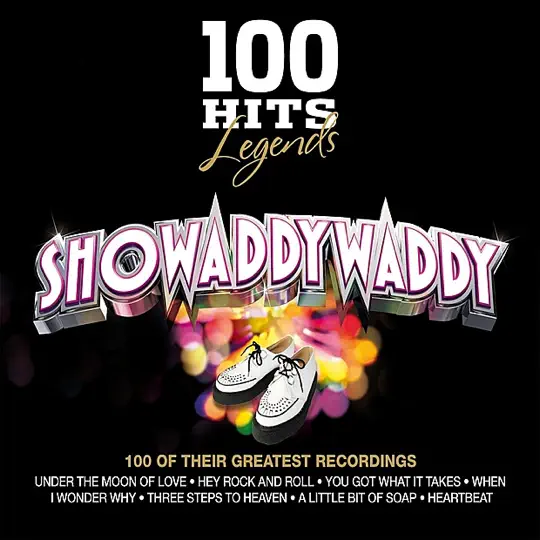
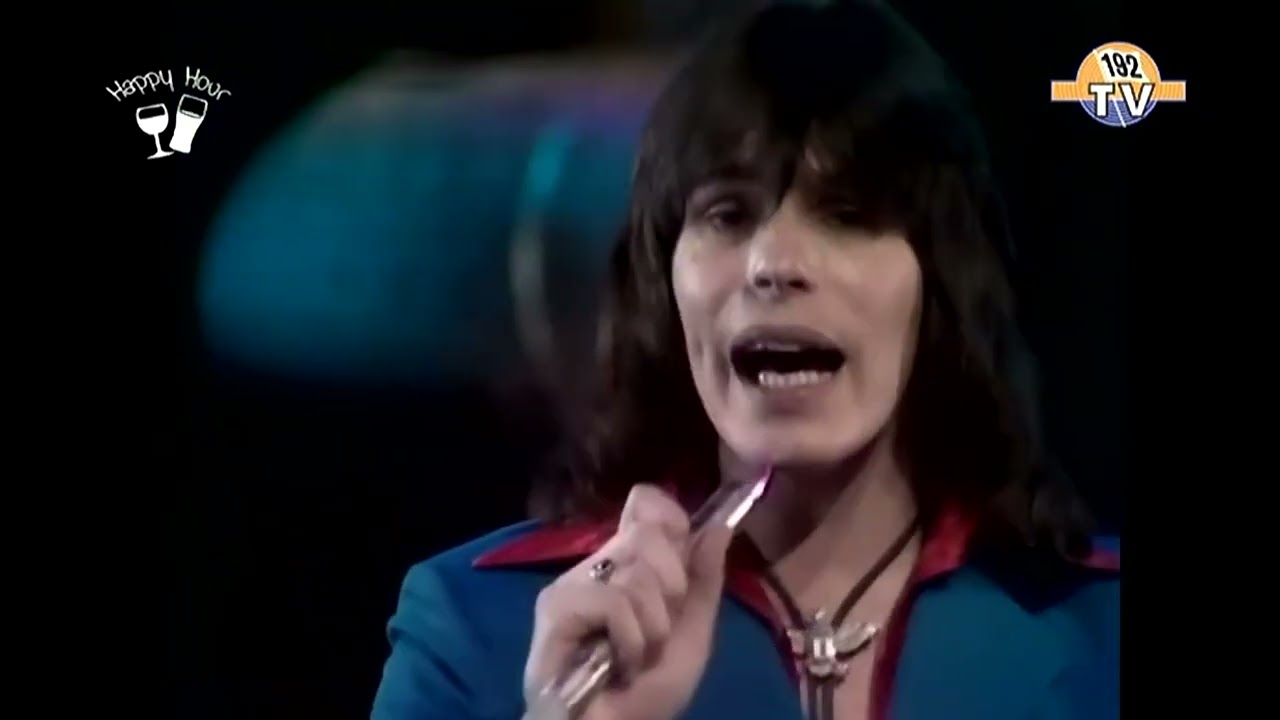
Showaddywaddy – Under The Moon Of Love
A 1961 Tommy Boyce and Curtis Lee Song Originally Produced by Phil Spector and Released by Curtis Lee Himself on Dunes Records, Peaked at #46 in America, and Fell Off the Chart. Fifteen Years Later, Eight Working Musicians From Leicester Took the Cover to UK #1 for Three Weeks in December 1976.
Tommy Boyce and Curtis Lee had written Under the Moon of Love together in the autumn of 1961. Boyce was a twenty-two-year-old Virginia-born songwriter based in New York, working at the Brill Building demo circuit and writing material for whoever would take it. Lee was the same age, a Yuma, Arizona-born teen-idol singer who had been signed to the small New York independent Dunes Records by the label’s founder Ray Peterson the previous year. The producer Phil Spector, then twenty-one years old and only a few months into the Wall of Sound period that would define his career, had been working with Lee since the spring of 1961 on Lee’s debut single Pretty Little Angel Eyes — another Boyce-Lee co-write, which had reached number seven on the US Billboard Hot 100 in August 1961. Spector took Under the Moon of Love into Mira Sound Studios in New York that August or September. The arrangement was a stomping doo-wop pop record built around handclaps, a saxophone hook, a male-voice backing chorus, and Lee’s smooth lead vocal at the front. Dunes released the single late in 1961 with Beverly Jean on the B-side. It peaked at number forty-six on the Billboard Hot 100 on November 27, 1961, drifted off the chart, and was largely forgotten. Tommy Boyce went on to form a songwriting partnership with Bobby Hart and write much of the Monkees’ early catalogue between 1966 and 1968. Curtis Lee, having failed to follow Pretty Little Angel Eyes with another major hit, retired from music in 1965 at the age of twenty-six and disappeared from the public record. The song was, by the early 1970s, the kind of forgotten doo-wop number that working British rock-and-roll revival bands would occasionally play in pubs.
The band that brought it back was an eight-piece outfit from Leicester named Showaddywaddy. Two four-piece Leicester pub bands — Choise and The Golden Hammers, both of which had been working the Fosse Way pub in the early 1970s and frequently jammed together — had decided in 1973 to merge their lineups rather than continue competing for the same Leicester gig circuit. The resulting band had two of everything. Two lead singers: Dave Bartram, the Mick Jagger-lookalike frontman with the brash stage presence, and Buddy Gask, the slightly softer-voiced co-lead with the harmonies. Two guitarists: Russ Field and Trevor Oakes. Two bass players: Al James and Rod Deas. Two drummers: Romeo Challenger and Malcolm “Duke” Allured. The name they took was the doo-wop nonsense phrase used as a backing chorus on rock-and-roll records of the 1950s. They wore Teddy Boy drape jackets and creepers on stage. They played the entire rock-and-roll-revival canon — Eddie Cochran, Buddy Holly, Bill Haley, the Everly Brothers — as if they had been doing it since the actual rock-and-roll years rather than as a reverent 1970s exercise. They won the UK television talent show New Faces in 1974. Bell Records signed them. By the autumn of 1976 they had recorded six hit singles and had become, by the consensus of British music journalism, the most commercially successful working revivalist act of the era.
The Mike Hurst Production and the December 1976 Chart Climb
The recording of Under the Moon of Love was produced by Mike Hurst, a former member of the British folk-pop trio The Springfields (the group that had launched Dusty Springfield’s career before Dusty went solo in 1963), who had since become one of the most-employed working British pop producers of the late sixties and seventies. Hurst had produced Manfred Mann’s number-one UK single The Mighty Quinn in 1968. He had produced Cat Stevens, Manfred Mann, and Marmalade across the same period. He had been working with Showaddywaddy since their second album. For Under the Moon of Love Hurst kept the structural shape of Phil Spector’s 1961 arrangement — the handclap-driven rhythm, the saxophone hook on the chorus, the male-voice backing harmonies, the saxophone solo on the bridge — and pushed the production toward a brighter, cleaner, more obviously poppy English seventies sound, with Bartram and Gask trading the lead vocal duties across the verses and merging in close harmony on the chorus. The record clocked in at two minutes and forty-three seconds. Bell pressed it. The single was released on October 15, 1976 with Lookin’ Back on the B-side.
The chart climb was the fastest the band had ever experienced. Under the Moon of Love entered the UK Singles Chart in mid-October 1976 and reached number one on the chart dated December 4, 1976, where it stayed for three consecutive weeks. The single sold 985,000 copies in the United Kingdom across its chart run. It became Showaddywaddy’s only UK number-one single — the singular chart-topper in a career that would eventually produce twenty-three UK hit singles between 1974 and 1982, eight of them in the Top 10. The British music industry weekly Music Week reported that the single was certified silver by the British Phonographic Industry within six weeks of release. The song reached number four in West Germany, number five in Austria, number two in Switzerland, and number one across several other continental European territories. The Christmas number-one position for 1976 went to Johnny Mathis’s When a Child Is Born (Soleado), which held the top spot beginning the week of December 25 — meaning Under the Moon of Love had narrowly missed the Christmas chart slot that would have made it one of the most-played holiday-period singles in British pop history. The miss did not diminish the commercial result. The single sold within fifteen thousand copies of one million in Britain alone.
The End of the Bell Records Era, the Showaddywaddy Catalogue, and What Followed
The single was also, in commercial-history terms, the last release on the Bell Records label that the band had been signed to since 1974. In late 1976 and early 1977, the New York-based Arista Records — founded by Clive Davis after his dismissal from Columbia Records in 1973 — completed the corporate restructuring that absorbed Bell Records into Arista. Future Showaddywaddy singles, beginning with the 1977 follow-up When, would appear on Arista. The Bell Records imprint ceased to exist as an active label. Under the Moon of Love was, in this strict catalogue sense, the final Bell Records UK number one.
Showaddywaddy continued recording and touring across the rest of the 1970s and into the 1980s. When reached UK number three in 1977. You Got What It Takes, Dancin’ Party, I Wonder Why, A Little Bit of Soap, and Pretty Little Angel Eyes (the band’s cover of the other Tommy Boyce-Curtis Lee co-write from 1961) all reached the UK Top 5 across the next two years. By the early 1980s, with the British music market shifting toward synth-pop and the new wave, Showaddywaddy’s commercial position had begun to slip. Sweet Little Rock ‘n’ Roller reached number fifteen in 1979. Why Do Lovers Break Each Other’s Hearts peaked at twenty-two in 1980. Who Put the Bomp (in the Bomp-a-Bomp-a-Bomp) reached number thirty-seven in 1982 and became the band’s final UK chart entry. The eight-piece lineup began to fragment. Malcolm Allured left in 1984. Russ Field left in 1985. Buddy Gask retired in 1987. The band continued touring with replacement members across the next two decades. Al James retired in 2008. Trevor Oakes followed in 2009. Buddy Gask, the band’s co-lead singer who had shared the front of the microphone with Dave Bartram on every Showaddywaddy hit single from 1974 to 1987, died on Boxing Day, December 26, 2011, at the age of sixty-five. Dave Bartram left the band the same year. The current Showaddywaddy touring lineup — built around long-term member Romeo Challenger and several replacement musicians — has continued working the British rock-and-roll revival circuit ever since. The 1961 Boyce-Lee song the band had taken to number one on the British chart in December 1976 has remained, fifty years later, the single performance the band is most identified with.
SONG INFORMATION