




![Tina Turner – Private Dancer (Official Music Video) [4K Upgrade]](https://musicvideosclub.com/wp-content/uploads/2025/11/tina-turner-private-dancer-offic-360x203.jpg)







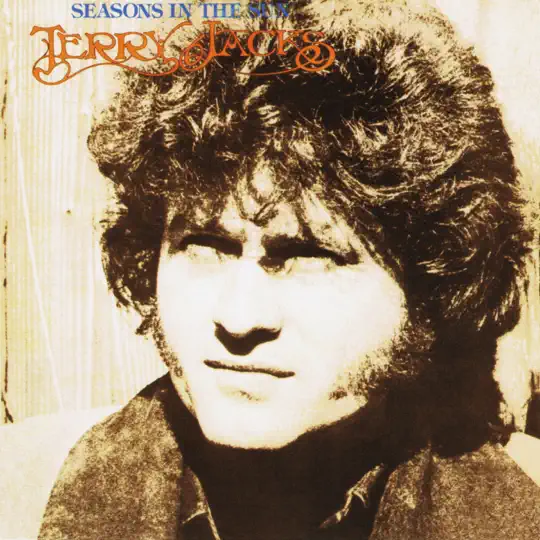
Terry Jacks – Seasons In The Sun
When The Beach Boys Said It Was Too Wimpy
Terry Jacks released “Seasons in the Sun” in December 1973 on his own Goldfish Records label, and the song became the largest-selling single in Canadian history within weeks. He’d attempted to produce the track for the Beach Boys during their Surf’s Up sessions on July 31, 1970, but the group abandoned it after one take. Mike Love told interviewers they’d recorded a version but it was so wimpy they had to throw it out, that it was just the wrong song for them. Jacks kept the arrangement he’d developed with Al Jardine for the backing vocals and recorded his own version three years later. The single entered the Billboard Hot 100 in January 1974, hit number one on March 2, and stayed there for three weeks. Billboard ranked it the number two song of 1974, selling over three million copies in the United States alone and 14 million worldwide, making it one of the decade’s biggest international hits despite critics calling it one of the worst songs ever recorded.
The chart performance revealed a massive disconnect between audiences and tastemakers. In Canada, the single topped the RPM charts on January 26, 1974, spending four weeks at number one. It conquered charts in 16 countries including the UK, where it also reached number one. The album Seasons in the Sun peaked at number 93 on the Billboard 200 despite the single’s dominance, demonstrating how one-hit wonders could sell millions without sustaining album careers. Radio DJs grew to despise the song after playing it hourly for months due to relentless request lines. Modern critics have been brutal, with some ranking it among the worst pop songs ever recorded for being overly sentimental. Yet Kurt Cobain told interviewers it was one of his favorite songs, playing it incessantly during In Utero sessions and on tour. That contradiction captured everything about the track: massively popular, critically reviled, and emotionally devastating to those who connected with its narrative about death and forgiveness.
The song originated with Belgian singer-songwriter Jacques Brel’s 1961 “Le Moribond,” about a man dying of a broken heart while saying farewell to loved ones including a wife who’d cheated on him with his best friend Antoine. American poet Rod McKuen translated it into English in 1963, with the Kingston Trio recording the first English version in 1964. Jacks heard that version and thought it could work commercially but found McKuen’s adaptation too macabre. He rewrote nearly one-sixth of the words, later claiming he’d written all of them himself. The inspiration came from his close friend Roger, who was suffering from acute leukemia. Roger died four months after Jacks completed the rewrite, and the song became a dedication to him. Jacks transformed Brel’s dying heartbroken man into someone reflecting peacefully on rights and wrongs while bidding farewell in springtime, changing the narrative from betrayal to acceptance.
Recording sessions happened at Can-Base Studios in Vancouver during 1973, with Jacks serving as producer, arranger, and lead performer. Mike Flicker engineered the sessions with Rolf Hennemann assisting, capturing the stripped-down folk-pop sound Jacks envisioned. A young David Foster, who’d later become one of pop music’s most successful producers, contributed piano arpeggios and double bass parts in the third verse. Pianist David Lanz later claimed he, not Foster, played those parts, telling Songfacts that Jacks had mixed the two of them up since both were up-and-coming Vancouver pianists at the time. Robbie King played organ, while Jacks handled vocals, guitar, and harmonica throughout. The B-side featured “Put the Bone In,” an original composition about burying a deceased pet dog, one of the strangest B-sides ever paired with a number one hit. Bell Records vice president Dave Carrico flew to Vancouver after hearing the single, snapping up American distribution rights immediately.
The album Seasons in the Sun marked Jacks’ solo debut following his success with the Poppy Family, the psychedelic-pop group he’d formed with wife Susan Pesklevits. The Poppy Family had scored a number two Billboard hit with “Which Way You Goin’ Billy?” in 1970, a song Jacks wrote and produced that earned him a Juno Award. Susan left the marriage in 1973, and friends later insisted she’d been instrumental in convincing Terry to record and release “Seasons in the Sun” as a solo single, contributing to production though receiving little credit. Jacks won four 1974 Juno Awards for the song: Best Male Vocalist, Best Single Pop, Best Single Contemporary, and Best Selling Single at the 1975 ceremony. Despite these accolades and the massive commercial success, Jacks released no other major solo hits in the United States, making “Seasons in the Sun” his only American chart-topper. He scored other moderate hits in Canada before withdrawing from the music business by the mid-1970s.
The song’s influence extended through decades of covers and cultural presence. Bobby Wright’s country version reached number 24 on the Billboard Hot Country Singles chart in 1974. Nirvana recorded a version in 1993 that appeared as the final track on their 2004 box set With the Lights Out, with Cobain’s gravelly delivery emphasizing the song’s darkness. Me First and the Gimme Gimmes included their punk interpretation on 1997’s Have a Ball. Westlife’s 1999 cover became the UK’s Christmas number one, outselling Cliff Richard’s charity single and spending 17 weeks on the chart. The Beach Boys finally released their 1970 session on the 2021 compilation Feel Flows, proving Mike Love had been right about it being wrong for them. The recording sounded tentative and uncertain compared to Jacks’ committed vocal performance.
Jacks left music to embrace Christianity and environmental activism, founding Environmental Watch in 1985 to combat pulp mill pollution on Howe Sound. He filed suit against the British Columbia Environment Ministry in 1988, led flotilla protests in 1989, and spent the 1990s battling pulp mill emissions through legal channels. Commentators called him instrumental in passing federal laws limiting coastal logging and constraining fish-canning by non-Canadian fishermen. He returned briefly to recording with 1983’s Pulse album and 1987’s Just Like That, but his heart belonged to environmental causes more than touring and promotion. In 2015, he released Starfish on the Beach, a double CD compilation containing 40 favorite tracks from four decades. “Seasons in the Sun” remained the song that defined him, the one-hit wonder that sold 14 million copies while critics declared it terrible, the track the Beach Boys rejected that became bigger than most of their 1970s output. Jacks had taken a song about a dying man forgiving his cheating wife and transformed it into a meditation on mortality and friendship that connected with millions who’d never heard Jacques Brel’s name. Mike Love called it wimpy. The world called it number one. Terry Jacks, who’d rewritten it in honor of his dying friend Roger, called it the reason he could afford to spend decades fighting pollution instead of chasing hits. That seemed like a fair trade.
SONG INFORMATION