






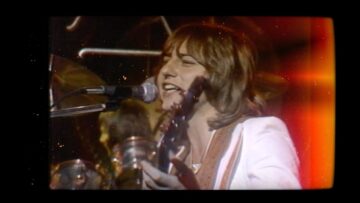
Dr Hook & the Medicine Show – Cover of the “Rolling Stone”
A 1972 Shel Silverstein Satirical Song About a Rock Band So Obsessed With Being on the Cover of Rolling Stone Magazine That They Were Singing About It — Recorded by Dr. Hook With Ray Sawyer on Lead Vocal, Hit #6 on the Hot 100, Got the Band on the Actual Cover Three Weeks Later, and Was Banned by the BBC for Naming a Commercial Product.
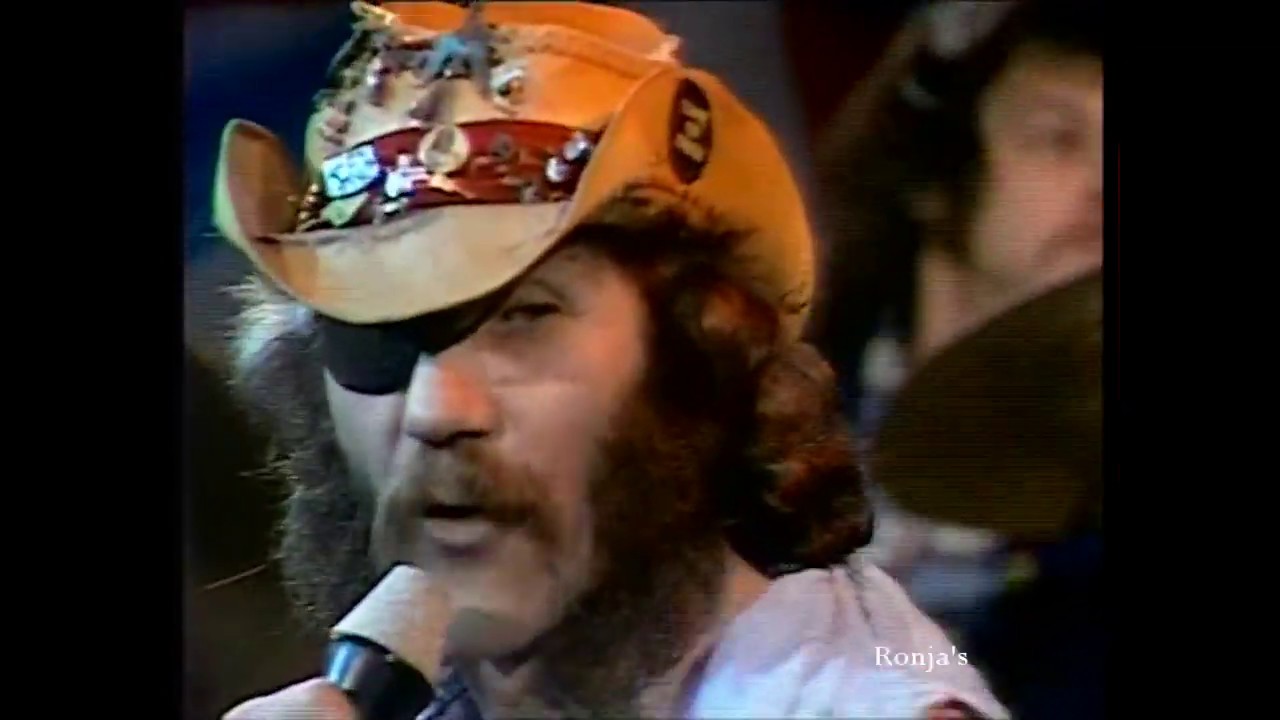
The day after Dennis Locorriere died — Saturday May 16, 2026, in West Sussex, England, after a long battle with kidney disease, age 76 — is a difficult moment to write about the song that made Dr. Hook & the Medicine Show famous, because the song itself was, more than anything, a Shel Silverstein joke at the band’s expense, sung by a member of the band who is also no longer alive, written about a magazine that was only five years old at the time of the recording. The lead vocal on The Cover of the Rolling Stone was sung by Ray Sawyer — the Alabama-born vocalist with the eye patch he had worn since a 1967 automobile accident, who had recruited Locorriere into the original Dr. Hook lineup in 1968, who took over the touring band after the 1985 dissolution and ran it under the name Dr. Hook with Ray Sawyer through the 2010s, and who died in December 2018 at the age of 81. Dennis Locorriere was the band’s other lead voice — the New Jersey native who sang the heart-tugging tenor on Sylvia’s Mother, Carry Me, Carrie, A Little Bit More, Sharing the Night Together, When You’re in Love with a Beautiful Woman, Sexy Eyes, and Better Love Next Time across nearly two decades of international hit singles. On The Cover of the Rolling Stone, however, it was Sawyer at the front of the microphone. The chorus of voices behind him on the chorus — calling out the title line back at him — included Locorriere, Billy Francis, George Cummings, Rik Elswit, Jay David, and the entire band shouting in a way that suggested they had been waiting all afternoon for the take to start.
The song was written by Shel Silverstein — the Chicago-born poet, cartoonist, children’s book author (The Giving Tree, Where the Sidewalk Ends), and country songwriter who had been Dr. Hook’s primary creative collaborator since 1970, when the band’s producer Ron Haffkine had brought them together to write the soundtrack for the Dustin Hoffman film Who Is Harry Kellerman and Why Is He Saying Those Terrible Things About Me?. Silverstein wrote every song on Dr. Hook’s first two studio albums. Doctor Hook (1972) had produced the band’s first hit, Sylvia’s Mother, which reached number five on the Billboard Hot 100 in 1972 with Locorriere singing lead. The second album, Sloppy Seconds, scheduled for early 1973, was being assembled across the autumn of 1972. The Cover of the Rolling Stone was the song everyone at Columbia and Dr. Hook’s management had identified as the standout track. The lyric Silverstein had written was a tightly satirical first-person plea from a fictional rock band rattling off everything they had — gold albums, freaky women, expensive drugs, lawyers, hotels — and concluding that none of it mattered until they had got their picture on the cover of Rolling Stone. The magazine was only five years old. It had been founded by Jann Wenner in San Francisco in November 1967. By 1972, however, its cultural authority had become so central to American rock that getting featured in it was understood, across the music industry, as one of the markers of having actually arrived. Silverstein’s joke was that the wanting itself was the comedy.
The Recording, the Columbia Argument, and the Chart Climb
The recording session was produced by Ron Haffkine in the autumn of 1972. Columbia Records had argued internally about whether to release the song as a single — the lyrics included the lines “We take all kinds of pills that give us all kind of thrills” and “I’ve got a freaky ole lady name a cocaine Katy,” and the company executives had expressed reservations about putting drug references on commercial radio in the immediate post-Nixon period. Ray Sawyer and the band pushed back. Haffkine pushed back harder. Columbia released the single anyway on November 16, 1972. The chart climb was steady. The Cover of the Rolling Stone entered the Billboard Hot 100 on December 2, 1972, and reached number six fifteen weeks later, on the chart dated March 17, 1973. It became Dr. Hook’s second consecutive Top 10 American single after Sylvia’s Mother the previous spring. In Canada it reached number two. Across Europe it became one of the most-played American singles of the spring of 1973. The British market, however, presented a particular obstacle. The BBC, which controlled most British national radio at the time, had a long-standing policy against airing songs that named commercial brands or products on the air. Rolling Stone was a magazine — a commercial publication. The BBC banned the song from its airplay rotation. Haffkine and the band, recognising the size of the British radio market, recorded a special BBC-only version of the song in which the title and the chorus line were altered to refer to the Radio Times — the BBC’s own weekly listings magazine — which the BBC then accepted into rotation. The amended version is the recording that reached most British listeners in 1973. The original is the one that most American listeners heard.
While the single was ascending the American chart, Ron Haffkine arranged a meeting with Jann Wenner at Rolling Stone‘s San Francisco offices and proposed that the band’s record was, functionally, a radio commercial for the magazine. Wenner agreed. He assigned the magazine’s youngest reporter — a fifteen-year-old Cameron Crowe — to interview Dr. Hook and the Medicine Show. Crowe travelled with the band, conducted the interviews, wrote the feature, and saw it published as the cover story of Rolling Stone issue 131, dated March 29, 1973 — twelve days after the song peaked at number six on the Hot 100. The cover photograph showed the seven members of the band crowded together, holding a copy of the magazine they were now on, in the deliberately self-referential layout that the magazine’s design team had built specifically for the occasion. The meta-joke had become the actual reality. Cameron Crowe would, twenty-seven years later, write and direct the semi-autobiographical film Almost Famous (2000), which drew directly on his 1973 Dr. Hook assignment for its central narrative arc — a teenage music journalist embedded with a touring rock band — and used the Silverstein song in the film’s soundtrack. The closing circle, by that point, was complete.
The Band, the Departures, and the Voice That Is No Longer With Us
Dr. Hook continued recording across the rest of the 1970s and into the early 1980s, gradually shedding the Shel Silverstein material as Locorriere himself emerged as the band’s principal songwriter. The shorter name — Dr. Hook, without “the Medicine Show” — was adopted in the mid-1970s. The hits continued: the 1976 cover of Bobby Gosh’s A Little Bit More, the 1978 ballad Sharing the Night Together, the 1979 disco-soft-rock crossover When You’re in Love with a Beautiful Woman (number one in the United Kingdom and a top-six hit across most of Europe), Sexy Eyes in 1980, Better Love Next Time. The band’s 1985 farewell tour ended the original working unit. Locorriere acquired the trademark rights to the Dr. Hook name, moved to England in the early 2000s, and continued touring as Dr. Hook starring Dennis Locorriere across the United Kingdom, Europe, and Australia for the next two decades. Ray Sawyer separately licensed the name and toured with his own outfit, Dr. Hook with Ray Sawyer, until his death in December 2018. Shel Silverstein — the man who had written The Cover of the Rolling Stone and every other Dr. Hook song from the band’s first three albums — died of a heart attack at his Key West home on May 10, 1999, at the age of 68. Ron Haffkine, the producer who had brought Silverstein and Dr. Hook together in 1970, died in 2024. Dennis Locorriere’s death on May 16, 2026, in West Sussex, England — after a long battle with kidney disease — closes the circle of the people who made the song. The 1972 satirical joke about a band desperate to be on the cover of Rolling Stone has now outlived almost everyone who was actually on it.
SONG INFORMATION
Related videos
 Watch LaterAdded
04:41
Watch LaterAdded
04:41  Watch LaterAdded
04:53
Watch LaterAdded
04:53  Watch LaterAdded
04:22
Watch LaterAdded
04:22