The Demo Clive Davis Heard That Changed Everything
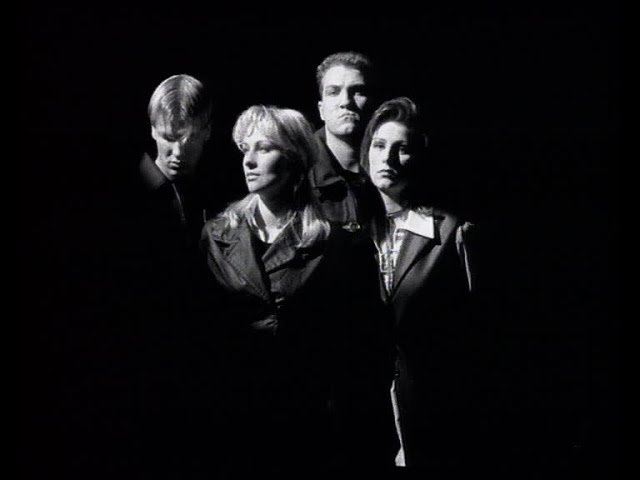
Ace of Base released “The Sign” in Europe on November 1, 1993, and in the US on December 14, 1993—and it didn’t just cross the Atlantic, it crossed a whole identity. This was the moment a Gothenburg pop group went from “catchy import” to unavoidable global headline. The hook wasn’t a guitar or a power vocal; it was that bright, almost childlike melody that sounds like it’s smiling while it breaks up with you. The wild part: the song existed in demo form before it became the one thing the American market couldn’t stop playing.
By March 1994, “The Sign” hit No. 1 on the Billboard Hot 100 and ended up spending six non-consecutive weeks there—like it kept leaving the throne and strolling right back. It was also Billboard’s No. 1 song of 1994, which is the kind of brag that instantly rewrites a band’s career. In the UK it peaked at No. 2 and hung around for 16 weeks, famously blocked from the top spot by Mariah Carey’s “Without You”—a very ‘94 chart battle if there ever was one. Elsewhere it went to No. 1 in places like Canada, Germany, Australia, and New Zealand, turning one chorus into a worldwide password.
The origin story has a great “wait, WHAT?” twist: the song wasn’t originally meant to be on their first European album at all. Ace of Base had already broken big with earlier hits, but “The Sign” was being held back for a future project—until Arista boss Clive Davis heard the demo and basically treated it like a flashing neon instruction. The early demo was so bare that one of the producers initially misunderstood the structure, thinking the verse was the chorus. Instead of killing it, that confusion helped reshape it into something even more direct and radio-ready. The final lyric idea stayed beautifully simple: a relationship falling apart, explained like you’re reading street signs while driving away.
It was recorded at Cheiron in Stockholm, the same creative universe that helped define early-’90s Swedish pop before the rest of the world even knew what “the Swedish sound” meant. Jonas Berggren wrote it, and the band leaned into a sneaky trick: make heartbreak feel sunny. Linn and Jenny Berggren reworked the vocal approach so it played like a conversation rather than a solo performance—one voice answering the other, turning the chorus into a little tug-of-war. And because the chorus barely gives you room to breathe, it lands with that breathless momentum that makes people sing along even when they don’t know why.
The song anchored The Sign, the North American version of their debut album era, and it became the statement that told the world Ace of Base weren’t a one-hit vibe. It helped turn the album into a blockbuster and pushed the group into that weird pop tier where your music is everywhere—radio, malls, car stereos, school dances—until it feels like the year is permanently scored by your chorus. In that sense, “The Sign” didn’t just launch a single; it stamped a whole mood onto 1994.
Its legacy is sneaky and huge. Indie bands have covered it with a wink, a cappella groups have turned it into a flex, and it keeps popping up in TV and films because the melody is instantly legible—bright enough to signal “fun,” but emotional enough to signal “complicated.” Plenty of ‘90s hits are time capsules; “The Sign” is more like a reset button. Put it on for ten seconds and the world tilts back toward neon, roller-rink optimism, and that oddly comforting idea that even bad news can arrive as a catchy hook.
In Ace of Base’s catalog, “The Sign” is the crown jewel—the five-star song that didn’t just define them, it defined a slice of pop history. It’s proof that a breakup song doesn’t have to sound miserable to be true; sometimes it sounds like sunlight hitting the windshield as you finally drive away. And that’s the magic: it hurts, it lifts, and it refuses to let go. Once you’ve heard it, you don’t just remember the chorus—you remember where you were when it found you.
SONG INFORMATION
Artist: Ace of Base
Song: “The Sign”
Album:The Sign
B-side: “Young and Proud”
Released: November 1, 1993 (Europe); December 14, 1993 (US)
Studio: Cheiron (Stockholm, Sweden)
Label: Mega (Europe), Arista (US)
Songwriter: Jonas Berggren
Producers: Jonas Berggren, Denniz Pop, Douglas Carr
Chart Performance: No.1 in US, No.2 in UK, No.1 in Canada, No.1 in Germany, No.1 in Australia